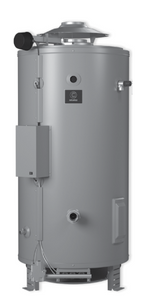
A failing water heater doesn’t always stop working overnight—more often, it gives you subtle (and not-so-subtle) warning signs first. From inconsistent water temperature to strange noises and rising energy bills, knowing what to watch for can help you avoid a full breakdown and an unexpected cold shower.
In this guide, we’ll cover the key red flags that your water heater is on its way out, and help you decide when a repair makes sense—or when it’s time to consider a replacement. Whether you’re troubleshooting for a customer or your own home, these tips can help you catch problems early and keep the hot water flowing.
1. Inconsistent or Lukewarm Water
One of the earliest signs of trouble is fluctuating water temperature. If your hot water suddenly becomes inconsistent—sometimes hot, sometimes lukewarm—it may indicate a failing heating element, a broken thermostat, or sediment buildup inside the tank reducing heating efficiency. While minor issues can often be repaired, ignoring inconsistent heating can eventually lead to a total breakdown.
Actionable Tip: Test your water temperature regularly and listen for any changes. Run the cold water tap to compare temperatures and help determine if the issue is isolated to the hot water supply. If you notice persistent lukewarm water, schedule a professional inspection.
2. Strange Noises Coming from the Tank
Popping, rumbling, or banging noises are often caused by sediment buildup at the bottom of the tank. Over time, minerals in your water settle and harden, creating a layer that traps heat. This causes the tank to overheat and produce unusual sounds. Not only can this reduce heating efficiency, but excessive sediment can also damage the tank’s lining, increasing the risk of leaks.
Actionable Tip: Flushing your water heater once or twice a year helps remove sediment and can prevent damage. If noises persist after flushing, consider professional maintenance or replacement.
3. Rusty, Sediment, or Discolored Water
If you notice rusty, brownish, or yellow water coming from your hot taps, it could be a sign of corrosion inside your water heater tank. Rust indicates that the anode rod, a sacrificial part designed to attract corrosion, may have deteriorated. Brown or yellow water can also result from sediment, chemicals, or corrosion in pipes, all of which can affect overall water quality. If left unchecked, rust can lead to leaks and water contamination.
Actionable Tip: Check and replace the anode rod every few years. If discoloration continues, it might be time to replace the entire water heater. Contact your water utility or a professional for additional information about the source of discoloration and to test your tap water for potential chemicals.
4. Water Leaks or Moisture Around the Heater
Even small leaks or moisture around your water heater should not be ignored. Always check the ground around the heater for any signs of a leak, such as water pooling or dampness. Leaks can signal cracks in the tank or faulty valves and connections. Be sure to investigate the source of any leak thoroughly to determine the extent of the problem. Over time, leaks can cause water damage to your floors and walls, and they often precede complete system failure.
Actionable Tip: Regularly inspect the area around your heater for any signs of water pooling or moisture. If you find leaks, call a professional plumber immediately. Report significant leaks to your utility provider or local authorities if there is a risk of water damage or contamination.
5. Rising Energy Bills
A water heater struggling to maintain temperature due to sediment buildup, corroded parts, or failing components uses more energy, which translates to higher utility bills. Sudden, unexplained spikes in your energy costs could be a hidden sign that your water heater is working harder than it should.
Actionable Tip: If you notice rising bills, have your water heater inspected and serviced. Sometimes, a simple repair or flush can restore efficiency.
6. Frequent Repairs or Pilot Light Issues (Gas Heaters)
If your water heater needs constant repairs or your pilot light won’t stay lit, it’s a sign that the unit is deteriorating. When troubleshooting, try resetting the high-temperature cutoff switch and listen to hear a clicking sound, which indicates the switch has been properly reset. Frequent breakdowns cost time and money, and persistent pilot light problems may indicate faulty thermocouples or gas valves. Also, check if the high-temperature cutoff switch has tripped and needs to be reset.
Actionable Tip: Evaluate repair costs versus replacement expenses. When repairs become frequent, investing in a new unit often saves money in the long run. After resetting the switch or performing repairs, it may take up to an hour for the water heater to return to normal operation.
7. Age of Your Water Heater
Water heaters typically last 8 to 12 years. If your unit is nearing or beyond this range, the chances of failure increase significantly. Aging tanks are more prone to corrosion, leaks, and inefficiency.
Actionable Tip: If your water heater is older than 10 years and showing signs of trouble, start planning for replacement to avoid emergency failures.
When to Repair vs. Replace Your Water Heater
Repair if:
- The unit is less than 8 years old.
- Issues are minor (e.g., faulty thermostat, heating element).
- No signs of leaks or corrosion are present
Replace if:
- The heater is over 10 years old.
- Multiple warning signs appear simultaneously (e.g., leaks, noise, rust).
- Repair costs exceed 50% of replacement costs.
- Efficiency is significantly reduced, causing high energy bills.
Safety Precautions for Water Heater Repair
When it comes to repairing or replacing your water heater, safety should always be your top priority. Before starting any repair process, make sure to turn off both the power and water supply to the unit to prevent electrical shock or accidental leaks of hot water. Wearing protective gear, such as gloves and safety glasses, can help shield you from burns or other injuries.
Be mindful of potential hazards like scalding hot water, electrical components, and, in the case of gas heaters, possible gas leaks. If you’re unsure about any step in the process, it’s wise to contact a professional plumber. For example, a licensed expert can evaluate your water heater’s condition and help you determine whether a repair or a full replacement is the best option. Relying on professional expertise ensures the job is done safely and efficiently, protecting both your home and your peace of mind.
Maintenance and Prevention: Extending the Life of Your Water Heater
Regular maintenance is the key to maximizing the life and performance of your hot water tank. Simple tasks like checking the temperature and pressure relief valve, inspecting the unit for leaks or corrosion, and flushing the tank to remove sediment can make a significant difference. Sediment buildup not only reduces efficiency but can also shorten the lifespan of your water heater by causing overheating and internal damage.
Considering energy-efficient upgrades, such as switching to a tankless or solar water heater, can also help lower your energy bills and reduce your environmental impact. A thorough analysis of your household’s hot water usage and needs will help you determine the best maintenance schedule and whether an upgrade is right for you. By staying proactive with maintenance, you can enjoy reliable hot water, save money on repairs, and extend the life of your unit.
The Importance of Regular Inspection
Regular inspection of your water heater also plays an important role in identifying potential problems before they turn into costly repairs. By routinely checking your unit for signs of leaks, corrosion, or damage, and monitoring the temperature and pressure relief valve, you can identify issues early and maintain a consistent hot water supply.
Inspections also offer the opportunity to evaluate your system’s performance and consider improvements, such as installing a water filter to reduce sediment and organic material buildup. For example, a regular inspection might reveal that your water heater is nearing the end of its life, helping you determine whether a simple repair will fix the issue or if a replacement is the best solution. Staying vigilant with inspections ensures your water heater remains energy efficient and reliable, serving your household’s needs for years to come.
How Plumbing Deals Makes Water Heater Repairs and Replacements Easy
At Plumbing Deals, we understand how crucial a reliable water heater is to your home’s comfort and daily routine. We make it easy to find upgraded water heaters with transparent pricing and quality service.
No matter your budget or timeline, our collection of water heaters ensures you get quality heaters that last, saving you time, money, and the hassle of unexpected cold showers. Contact us today and get started on grinding the perfect water heater for you.
Water Heater Repair & Replacement FAQs
How do I know if I need water heater repair or replacement?
If your hot water runs out quickly, your tap water looks brown or yellow, or you hear strange noises coming from the tank, it’s a good idea to schedule a thorough analysis. A licensed plumber can determine whether repairing or replacing the unit is the best solution. Age, maintenance history, and cost of the repair all play an important role in that decision.
What causes my hot water to suddenly turn cold?
A sudden shift from hot water to cold water may indicate a failing heating element, sediment buildup inside the hot water tank, or issues with your pipes. If this happens regularly, it’s worth having a professional evaluate the system to improve performance and prevent further damage.
Can water quality issues affect my water heater?
Yes. Organic material, lead, or other chemicals present in your surface water or groundwater can shorten your water heater’s life. Installing a water filter can help remove specific contaminants and protect your unit. This also improves the water quality for drinking, so you don’t have to rely on bottled water.
Why is my water discolored?
If your tap water appears brown or yellow, it could be caused by rust inside the tank or sediment buildup. A plumber can investigate the source, identify whether the discoloration is from the heater or your pipes, and recommend the best solution.
How long does a water heater repair typically take?
Most common repairs, such as fixing leaks, replacing thermostats, or flushing sediment can be completed within a few hours. More complex repairs or a full replacement may take longer, depending on the location of your unit and parts availability.
Is it worth upgrading to an energy-efficient water heater?
Absolutely. Switching to an energy-efficient model can save you money over the life of the heater by lowering utility bills. You’ll also benefit from better performance and fewer repairs over time.
When should I contact a professional?
Contact a licensed plumber if you notice leaks, water discoloration, temperature swings, or rising energy bills. The sooner issues are identified and repaired, the less you’ll spend in the long run.
Final Thoughts
Recognizing these warning signs early can save you from inconvenient cold showers and costly emergency repairs. Regular maintenance, like flushing your tank annually and inspecting the anode rod, extends your water heater’s lifespan and maintains efficiency. When in doubt, consulting a licensed plumber is the best way to diagnose issues and determine whether repair or replacement is the smarter choice.
Keeping an eye out for these red flags will ensure your water heater stays reliable and your home stays warm and comfortable all year round.