When it comes to managing a property or running a business, the importance of a well-functioning commercial plumbing system cannot be overstated. From ensuring compliance with plumbing codes to maintaining uninterrupted water flow, a reliable plumbing system is the backbone of smooth operations for any business.
At Plumbing Deals, we’re more than just a supplier of top-notch plumbing products—we’re your partner in commercial plumbing success. Through this guide, you’ll uncover everything you need to know about commercial plumbing systems, from their unique components to troubleshooting common issues and upgrading existing setups. Whether you’re a property manager, contractor, or business owner, this resource is tailored to empower you with actionable insights.
What Makes Commercial Plumbing Unique
Commercial plumbing work requires specialized skills and experience due to the complexity and scale of these systems. Before we jump in, we want to highlight that the term “industrial plumbing” is sometimes used interchangeably with “commercial plumbing,” particularly when referring to large-scale environments such as retail spaces, office buildings, or airports.
However, true industrial plumbing often involves a higher level of specialization—dealing with process piping, hazardous materials, precise temperature and pressure controls, and waste management in facilities like chemical plants, power stations, or manufacturing sites.
While there is overlap, industrial systems are typically more complex than standard commercial applications, requiring specialized expertise, materials, and regulatory compliance. In this article, we’re going to be talking about commercial plumbing in particular.
On that note, here are a few ways commercial systems are different from residential:
- Higher Volume Systems
Commercial water systems are specifically designed to manage significantly higher water usage compared to residential systems, making them an essential choice for large-scale operations.
These systems are engineered to support greater flow rates, higher pressures, and the simultaneous usage demands of dozens, if not hundreds, of users. This level of performance is critical for environments like office buildings, schools, hospitals, hotels, industrial facilities, and any location where water needs are constant and extensive.
Unlike residential systems, which cater to a limited number of users, commercial systems are built to handle the complexities of heavy-duty operations. For instance, in a hotel, water may need to flow seamlessly to hundreds of rooms for showers, sinks, and toilets—all at the same time—without any loss in pressure or temperature consistency. Similarly, in a hospital setting, the system must support both daily operational needs, such as laundry and cleaning, and critical functions like surgical and medical equipment sterilization, where water quality and reliability are paramount.
To achieve this, commercial systems often incorporate advanced technologies such as high-capacity pumps, reinforced piping, and sophisticated pressure regulators to ensure smooth operation even under peak loads.
2. Stringent Compliance Requirements
Ensuring that facilities meet all necessary regulations and codes is a critical aspect of creating safe, functional, and inclusive spaces. Key requirements include compliance with ADA (Americans with Disabilities Act) accessibility regulations, health department standards, fire codes, and various plumbing codes, such as the UPC (Uniform Plumbing Code) and IPC (International Plumbing Code). Maintaining a regular schedule for inspections and updates is essential to staying compliant with evolving codes and standards.
Let’s break down each of these areas in more detail:
ADA Accessibility Regulations
Facilities are required to provide equal access to individuals with disabilities. This means ensuring that ramps, doorways, restrooms, and other key areas are accessible. Proper signage, wheelchair-accessible pathways, and features like grab bars in restrooms are just a few examples of specific requirements. ADA compliance not only helps avoid legal consequences but also promotes inclusivity and a better experience for all users.
Health Department Standards
Depending on the type of facility, health department regulations are vital for maintaining cleanliness and safety. These standards are especially important for establishments in food service, healthcare, or childcare settings. Requirements can include proper ventilation systems, sanitary restroom facilities, pest control measures, and regular inspections to ensure compliance. Failing to meet these standards can lead to penalties, closures, or reputational damage.
Fire Codes
Fire safety regulations are designed to protect occupants in the event of an emergency. Fire codes may cover the installation of sprinklers, smoke detectors, and fire extinguishers, as well as the proper layout of exit routes and emergency lighting. Regular inspections ensure that fire safety measures are up-to-date and functional. Adhering to these codes is essential for obtaining occupancy permits and ensuring the safety of everyone in the facility.
Plumbing Codes (UPC, IPC)
Plumbing codes, such as the Uniform Plumbing Code (UPC) and International Plumbing Code (IPC), ensure that water systems are safe, efficient, and sanitary. This includes the proper installation of pipes, fixtures, and drainage systems to prevent leaks, contamination, and water waste. Facilities must adhere to these codes to ensure a reliable water supply and proper wastewater disposal, which are especially critical in settings like restaurants, hospitals, and schools.
The Importance of Compliance
Meeting these regulations is not just about avoiding fines or penalties; it’s about creating a safe and accessible environment for all.
Non-compliance can result in serious consequences, from legal issues and financial losses to harm to individuals who use the facility. By staying proactive and informed about these requirements, facility managers can ensure that their spaces remain safe, functional, and welcoming to everyone.
Remember: Regular inspections, updates, and professional consultations are often necessary to stay up-to-date with evolving codes and standards.
3. Purpose-Built Fixtures
When it comes to commercial spaces, purpose-built fixtures play a crucial role in ensuring functionality, efficiency, and compliance with specific industry needs.
Unlike residential fixtures, which are designed for everyday household use, commercial fixtures are tailored to meet the rigorous demands of high-traffic environments and specialized applications. These fixtures are not only built for durability but are also equipped with features that cater to the unique requirements of businesses, institutions, and public facilities.
Let’s take a deeper look at some common examples of purpose-built commercial fixtures and their significance:
Sensor Flush Valves
One standout feature of commercial restrooms is the use of sensor flush valves. These fixtures are designed to enhance hygiene and water efficiency. The touchless operation minimizes the spread of germs, which is particularly important in spaces like offices, schools, and healthcare facilities where sanitation is a top priority.
By automatically flushing after each use, sensor valves also help maintain cleanliness throughout the day, reducing the need for constant maintenance. Some advanced models even allow for programmable settings, enabling businesses to optimize water usage and meet sustainability goals.
Mop Sinks
Mop sinks are a staple in commercial settings, especially in industries such as hospitality, retail, and food service. These low-profile sinks are specifically designed to make cleaning tasks easier and more efficient. Located in janitorial closets or utility areas, mop sinks allow staff to fill mop buckets and dispose of dirty water without the hassle of lifting heavy containers.
They often include features like built-in backsplashes to prevent water spillage on walls and anti-slip surfaces to enhance safety. The durable materials used in mop sinks, such as stainless steel or porcelain, are designed to withstand heavy use and exposure to cleaning chemicals.
Trench Drains
For environments that require effective water management, trench drains are a vital fixture. Commonly found in commercial kitchens, manufacturing plants, and outdoor spaces, trench drains are long, narrow channels designed to capture and direct water away from work areas. Their ability to handle large volumes of water makes them essential in preventing flooding and maintaining safe, dry surfaces.
Additionally, trench drains are often equipped with removable grates, making them easy to clean and maintain. In industries where cleanliness and safety are paramount, such as food processing or automotive repair, trench drains play a critical role in meeting regulatory standards.
4. Enhanced Durability
When it comes to commercial plumbing systems, durability isn’t just a feature—it’s an absolute necessity.
Unlike residential systems, which cater to a limited number of users, commercial systems are built to handle constant and heavy usage. This means they require robust components that can endure daily wear and tear, extreme conditions, and high levels of pressure without failing.
One key component of enhanced durability in commercial plumbing is the use of heavy-duty brass fittings. Brass is well-known for its strength, corrosion resistance, and ability to withstand high temperatures. In a commercial environment, where plumbing systems are pushed to their limits, brass fittings ensure longevity and reduce the risk of leaks or failures. This reliability translates to fewer interruptions and lower maintenance costs over time.
Another crucial element is the incorporation of high-quality carriers. Carriers play a vital role in supporting fixtures and ensuring stability, especially in high-traffic areas like office buildings, schools, and hospitals.
These carriers are designed to distribute weight evenly, prevent structural strain, and maintain the integrity of the plumbing system. High-quality carriers are typically made from durable materials such as cast iron or reinforced steel, ensuring they can sustain not only the heavy usage but also the test of time.
Additionally, commercial systems must often handle variable loads and fluctuating pressures. This requires components that can adapt without cracking, breaking, or corroding. The materials and designs used in durable commercial plumbing components are specifically engineered to meet these challenges, whether it's through reinforced piping, advanced welding techniques, or innovative sealing technologies.
Enhanced durability in commercial plumbing isn’t just about preventing failures—it’s also about long-term performance. By investing in robust materials and components upfront, businesses save significant time and money on repairs, replacements, and downtime. Moreover, durable plumbing systems contribute to a safer and more efficient environment, ensuring that users can rely on the system day in and day out.
For expert-grade parts and fixtures designed for these challenges, explore our Commercial Plumbing Collection.
The Core Components of a Commercial Plumbing System
Every commercial plumbing setup consists of several essential systems. Here’s a breakdown of their key elements and products that Plumbing Deals can provide:
Water Supply Systems
Water supply systems are essential for delivering clean, fresh water to residential, commercial, and industrial facilities. These systems ensure that water is distributed efficiently, reliably, and at the right pressure to meet the demands of different zones and applications within a building.
How Water Supply Systems Work
At their core, water supply systems pull water from a source, such as a municipal water line, a private well, or a storage tank, and distribute it throughout a facility. The system must maintain adequate pressure to ensure that water reaches all endpoints, regardless of floor level or distance from the source. Proper design and engineering are critical to avoid issues such as low water pressure, leaks, or inconsistent flow.
Material Options for Water Supply Systems
The choice of materials for piping in a water supply system is a key factor in determining its durability, efficiency, and cost-effectiveness. Below are the most common materials used:
- Copper (Type L): Known for its long-lasting durability and resistance to corrosion, copper is a popular choice for water supply systems. Type L copper is thicker and more robust, making it suitable for both interior and exterior use. Its ability to withstand high temperatures also makes it ideal for hot water lines. However, copper can be more expensive than other options.
- PEX (Cross-linked Polyethylene): PEX has become a go-to material for many modern water supply systems due to its flexibility, ease of installation, and cost-effectiveness. It is resistant to freezing and bursting, which makes it an excellent option in colder climates. Additionally, PEX is color-coded (red for hot water, blue for cold) for easy identification during installation or maintenance.
- CPVC (Chlorinated Polyvinyl Chloride): CPVC is specifically designed for hot water systems as it can handle higher temperatures than standard PVC. It is lightweight, easy to install, and resistant to both corrosion and chemical degradation. However, it should never be exposed to direct sunlight as it may become brittle over time. This makes CPVC unsuitable for outdoor use where UV radiation is a factor.
Key Accessories for Optimized Performance
To ensure water is delivered consistently and efficiently across all areas of a facility, various accessories are integrated into water supply systems. These include:
- Booster Pumps: When water pressure from the main supply line is insufficient, a booster pump can be installed to increase pressure across the system. This is particularly important in multi-story buildings where water needs to travel vertically to higher floors.
- Pressure Regulators: Maintaining consistent water pressure is crucial to prevent damage to pipes and fixtures. Pressure regulators are installed to control and stabilize the water pressure, ensuring that it stays within safe operating limits regardless of fluctuations in the main supply.
- Backflow Preventers: These devices are vital for preventing contaminated water from flowing backward into the clean water supply. They are especially important in systems where cross-connections may occur.
- Water Filtration Systems: For facilities requiring exceptionally clean water, such as hospitals or food production plants, water filtration systems can be added to remove impurities and ensure high water quality.
Design Considerations for Water Supply Systems
When designing a water supply system, several factors must be taken into account:
- Demand Requirements: Understanding the peak water demand is essential to sizing the system correctly. This includes evaluating the number of fixtures, appliances, and equipment that will require water simultaneously.
- Zone Distribution: Larger facilities often divide the water supply into zones to ensure consistent pressure and flow. Each zone may require its own booster pump or pressure regulator.
- Energy Efficiency: Modern systems aim to use energy-efficient accessories, such as variable-speed booster pumps, to reduce energy consumption while maintaining performance.
- Code Compliance: Water supply systems must comply with local plumbing codes and standards, which dictate material types, installation methods, and safety requirements.
Drain-Waste-Vent (DWV) Systems: A Comprehensive Overview
The Drain-Waste-Vent (DWV) system is a critical component of any modern plumbing infrastructure, ensuring the efficient removal of wastewater and maintaining a safe, odor-free environment within residential, commercial, and industrial spaces. By performing two essential functions—draining wastewater and venting harmful sewer gases—DWV systems contribute to both hygiene and overall building functionality.
In systems with grease interceptors, food debris, oil, and foreign objects can clog grease traps and reduce their efficiency, leading to blockages and foul odors. Some systems incorporate filters, such as effluent filters or vent filters, to improve wastewater treatment and control odors. In certain commercial and foodservice settings, septic tanks are used alongside grease interceptors to manage waste separation and prevent pollution.
How DWV Systems Work
DWV systems operate through a network of pipes specifically designed to manage the flow of wastewater, solid waste, and sewer gases. The "drain" portion focuses on carrying wastewater and solids away from fixtures like sinks, toilets, and showers to the municipal sewer or septic system. Meanwhile, the "vent" portion ensures that sewer gases are safely vented outside, maintaining proper air pressure in the pipes and preventing harmful gases from seeping into the building.
Key Components of a DWV System
- Drainage Pipes: These pipes transport wastewater from plumbing fixtures to the sewer system. They are sized and sloped correctly to ensure that gravity efficiently carries waste without clogging or backflow issues.
- Waste Pipes: A subdivision of the drainage system, waste pipes handle the removal of liquid waste from sinks, showers, and other fixtures.
- Vent Pipes: Vent pipes play a crucial role in equalizing the pressure within the drainage system. By allowing fresh air to enter the pipes, they prevent siphoning of water seals in traps, which could otherwise allow sewer gases to escape into living spaces.
- Traps: Traps are U-shaped sections of pipe located beneath fixtures. They hold a small amount of water, creating a seal that blocks sewer gases from traveling back into the building.
Specialized Features in DWV Systems
- Grease Interceptors: Also known as grease traps, these devices are essential for commercial kitchens and foodservice establishments. They capture fats, oils, and grease (FOG) before they enter the drainage system, preventing blockages and costly plumbing issues. Over time, FOG can harden and create significant obstructions within the pipes, so grease interceptors play an important role in long-term maintenance.
- Backflow Preventers: These devices stop wastewater from flowing back into the building during times of heavy rain or sewer line blockages. Backflow preventers are especially important for properties located in flood-prone areas.
The Importance of Proper Venting
Venting is often overlooked in plumbing design, but it is crucial for preventing system failures and maintaining a healthy indoor environment. Without proper venting, you may experience:
- Sewer Odors: A lack of venting can cause traps to dry out, allowing sewer gases to escape into occupied spaces. This can lead to unpleasant smells and potential health risks.
- Gurgling Sounds: Improper venting can create negative pressure in the pipes, causing water in the traps to move or bubble. This results in the familiar "gurgling" noise often heard after flushing a toilet or draining a sink.
- Slow Drainage: Negative pressure from poor venting can also slow down the flow of wastewater, leading to clogs and inefficiencies.
Benefits of a Well-Maintained DWV System
A properly installed and maintained DWV system ensures:
- Hygiene and Safety: By efficiently removing waste and venting harmful gases, DWV systems protect occupants from exposure to potentially dangerous contaminants.
- Odor Control: Water traps and venting work together to seal out sewer odors, keeping indoor spaces fresh and pleasant.
- Plumbing Longevity: Preventing blockages and maintaining airflow reduces stress on the pipes, extending the lifespan of the entire plumbing system.
Commercial Water Heaters
Commercial water heaters are built to handle the high demands of businesses, ensuring a consistent hot water supply without interruptions. Unlike residential models, these heavy-duty systems are designed to operate efficiently during peak usage times, making them an essential component for facilities like restaurants, hotels, gyms, hospitals, and other businesses that rely heavily on a steady supply of hot water.
Types of Commercial Water Heaters
When selecting a commercial water heater, it’s essential to understand the different options available to suit your specific needs:
High-Recovery Tank Models
These water heaters feature a storage tank with a high recovery rate, meaning they can quickly replenish hot water after heavy use. This option is ideal for businesses with fluctuating but significant hot water demand, such as restaurants or hotels.
Tankless Water Heaters
A tankless system heats water on demand, eliminating the need for a storage tank. These units are energy-efficient and take up less space, making them perfect for businesses with limited room or consistent hot water use, such as salons or small cafes.
Wondering how to choose the perfect one? Check out our guide here.
Point-of-Use Water Heaters
These compact systems are installed close to the water source, such as a sink or shower. They provide instant hot water without running long supply lines, reducing energy loss. Point-of-use solutions are great for facilities with localized hot water needs, like office kitchens or breakrooms.
Sizing Your Commercial Water Heater
Proper sizing is critical to ensure your water heater can meet your facility’s demand without overloading the system or wasting energy. To determine the right size:
- Calculate Gallons-Per-Hour (GPH) Requirements: Use a fixture unit calculator or consult with a professional to estimate your peak hourly hot water needs. This includes considering all sinks, showers, dishwashers, laundry machines, and other appliances that simultaneously use hot water.
- Consider Recovery Rate: For tank models, ensure the recovery rate matches your peak usage. The recovery rate refers to how quickly a water heater can replenish after the stored hot water is depleted.
- Evaluate Number of Units Needed: In larger facilities, you may require multiple units to distribute hot water efficiently across various locations.
Key Features to Look For
When selecting a commercial water heater, pay attention to these features to ensure long-term performance and efficiency:
- Energy Efficiency: Look for ENERGY STAR-certified models to reduce energy costs and environmental impact.
- Durability: Commercial water heaters should be made with high-quality materials to withstand heavy usage and last for years.
- Advanced Technology: Some models include smart controls, allowing you to monitor usage and adjust settings remotely for optimal performance.
- Safety Features: Overheat protection, pressure relief valves, and leak detection systems are essential for safe operation.
Benefits of Upgrading to a Commercial-Grade Model
Investing in the right commercial water heater has numerous advantages, including:
- Consistent Performance: Reliable hot water supply even during peak demand.
- Energy Savings: Modern systems are designed to operate efficiently, reducing utility bills over time.
- Improved Customer Experience: Whether it’s a hot shower for hotel guests or properly sanitized dishes in a restaurant, a high-performing water heater enhances customer satisfaction.
- Reduced Downtime: Commercial-grade systems are built for heavy use and are less likely to break down, minimizing disruptions to your business.
Backflow Prevention
Backflow prevention is a critical component in ensuring the safety and quality of potable water supplies. Backflow occurs when water flows in the reverse direction, potentially allowing contaminants to enter clean water lines.
This can happen due to changes in pressure, such as back siphonage or back pressure, and poses a significant health risk if not properly managed. For this reason, most building codes and regulations mandate the use of backflow preventers in plumbing systems to safeguard against contamination.
When installing backflow preventers, it is important to ensure accessibility for regular testing, provide protection from environmental factors such as freezing, and follow all local installation requirements to maintain compliance and long-term reliability of the device.
How Backflow Preventers Work
A backflow preventer is a device installed in water systems to allow water to flow in one direction while preventing it from flowing backward. These devices create a physical barrier that stops contaminated water from entering the main water supply.
They are especially important in systems where non-potable water, chemicals, or other harmful substances are used, such as irrigation systems, industrial facilities, and even residential properties with sprinkler systems.
Types of Backflow Preventers
Pressure Vacuum Breaker (PVB):
- Commonly used in irrigation systems.
- Designed to prevent back siphonage.
- Features a simple construction for easy maintenance.
Double Check Valve Assembly (DCVA):
- Primarily used in low-to-medium risk settings.
- Prevents both back siphonage and back pressure.
- Compact and versatile for a variety of applications.
Reduced Pressure Zone (RPZ) Assembly:
- Ideal for high-risk systems with potential contamination hazards.
- Provides the highest level of protection by venting water if the system fails.
- Commonly found in industrial applications or areas handling hazardous substances.
Atmospheric Vacuum Breaker (AVB):
- A simple, cost-effective solution for preventing backflow due to back siphonage.
- Typically installed on faucets or outdoor hose bibs.
Why Backflow Prevention Matters
The primary goal of backflow prevention is to maintain the integrity of drinking water supplies and protect public health. Without backflow preventers, contaminants like chemicals, pesticides, or bacteria could enter the water system, leading to serious health risks or environmental hazards.
For businesses and homeowners, installing and maintaining backflow preventers is not just about compliance with local codes—it’s a proactive step to ensure clean, safe water for everyone.
Installation and Maintenance
Proper installation and regular maintenance are essential to ensure backflow preventers function correctly. Devices must be installed by a licensed professional and tested periodically to confirm they are working as intended.
Some regions require annual backflow testing by certified inspectors to maintain compliance with local regulations.
Commercial-Grade Fixtures
When it comes to high-demand environments like high-traffic restrooms or professional kitchens, commercial-grade fixtures play an essential role in ensuring functionality, durability, and efficiency. These fixtures are specifically designed to withstand heavy use while adhering to industry standards, making them a critical investment for any business or commercial space.
Key Features of Commercial-Grade Fixtures
- Durability: Unlike residential fixtures, commercial-grade options are built to last. Made from high-quality materials such as stainless steel, brass, or heavy-duty composites, they resist wear and tear even in the most demanding conditions.
- Efficiency: Many commercial fixtures are designed with water conservation in mind. Sensor-activated faucets and flushometers, for example, not only reduce water waste but also lower utility bills over time.
- Compliance: As previously mentioned, commercial spaces must meet various regulations, including ADA (Americans with Disabilities Act) standards. Fixtures like ADA-compliant sinks and handles ensure accessibility for all users.
- Hygiene: In environments where hygiene is paramount, such as healthcare facilities or foodservice industries, touchless fixtures like sensor faucets and automatic flushometers help minimize the spread of germs.
Applications of Commercial Fixtures
- High-Traffic Restrooms: In public spaces such as airports, malls, and schools, fixtures must be robust enough to handle thousands of uses daily. Sensor-activated faucets and flushometers ensure smooth operation while conserving water.
- Professional Kitchens: Kitchens in restaurants, hotels, and catering facilities require fixtures that can withstand frequent use under high temperatures and intense cleaning. Pre-rinse spray valves and heavy-duty faucets are common staples in these environments.
- Specialized Environments: Laboratories, cleanrooms, and healthcare facilities often require fixtures with precise functionality, including foot pedal controls or chemical-resistant materials.
Why Invest in Quality Fixtures?
Investing in commercial-grade fixtures is not just about complying with regulations—it’s about creating a better experience for both customers and employees. High-quality fixtures reduce the likelihood of breakdowns, minimize maintenance costs, and reflect a professional image for your business.
The Commercial Plumbing Gear You’ll Never Regret Buying
When it comes to outfitting a commercial property, choosing the right plumbing products is crucial for performance, durability, and code compliance—luckily, Plumbing Deals has you covered with top-tier options every step of the way. Commercial properties often face unique plumbing problems, such as water pressure issues or continuous toilet running, that require prompt and professional assistance to resolve. For high‑traffic restrooms, our Sloan flushometer repair kits and heavy‑duty control stops like the H‑700 series ensure smooth operation and longevity.
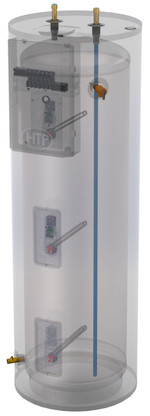
In kitchens and food‑service environments, we stock robust State Patriot compact commercial electric water heaters for under‑counter needs and large stainless steel HTP Everlast 100‑gal electric heaters for high‑volume hot water. When it comes to continuous flow, our lineup of commercial tankless gas heaters—like Noritz and the Rinnai Sensei CX series—is both energy‑efficient and space-saving, ideal for demanding environments.
And for essential compliance and safety, Plumbing Deals offers code‑ready backflow preventers, thermostatic mixing valves, and pressure regulators from trusted brands like Watts, Wilkins, and Symmons. Whatever your setup—be it a single restroom or an entire facility—our curated selection ensures you’re spec’ing the right parts from the start, backed by warranty and expert support.
Preventative Maintenance That Pays Off
Routine plumbing maintenance is essential for extending equipment life and avoiding costly issues. Regularly changing filters is a key part of routine maintenance, helping to maintain HVAC efficiency and indoor air quality.
Keeping a maintenance log allows property managers to track completed tasks and stay on schedule with monthly upkeep. Plumbing Deals makes it easy to keep your commercial property running smoothly with top-quality products built for performance and code compliance.
- For water heaters: Choose from compact State Patriot models for under-counter needs or high-capacity HTP Everlast stainless steel heaters for heavy use.
- For restrooms: Enhance durability with Sloan flushometer repair kits and heavy-duty control stops like the H-700 series.
- For continuous hot water: Our energy-efficient commercial tankless options, like Noritz and Rinnai Sensei CX series, save space and deliver reliable flow.
- For safety and compliance: Shop backflow preventers, thermostatic mixing valves, and pressure regulators from trusted brands like Watts and Symmons.
Retrofitting or Upgrading Commercial Systems
As buildings age, their systems often require enhancements to stay efficient, compliant with modern standards, and capable of meeting increasing demands. Retrofitting or upgrading commercial systems can extend the lifespan of your infrastructure while improving functionality and environmental sustainability. Key areas to focus on include:
- Replacing galvanized pipes with durable alternatives: Galvanized pipes are prone to corrosion and buildup over time, which can lead to reduced water flow, leaks, and contamination. Upgrading to copper or PEX pipes not only ensures durability but also enhances water quality and reduces the likelihood of costly repairs in the future.
- Installing sensor-based fixtures: Sensor-operated faucets, toilets, and urinals are becoming an essential part of modern commercial facilities. These fixtures promote water conservation by reducing wastage and ensuring water flow is limited only to when it’s needed. Additionally, they improve hygiene by enabling touchless operation and help facilities stay compliant with ADA (Americans with Disabilities Act) guidelines, making them more accessible to all users.
- Adding flushometers for high-traffic restrooms: In busy commercial environments, traditional flushing mechanisms may struggle to keep up with demand, leading to inefficiencies and potential maintenance issues. Flushometers are designed to handle high usage, offering powerful and reliable performance while conserving water. They are ideal for restrooms in shopping malls, airports, office buildings, and other high-traffic areas.
By addressing these areas, commercial property owners can improve the reliability and efficiency of their systems, enhance user experience, and demonstrate a commitment to sustainability and compliance.
Consequences of Not Prioritizing Commercial Plumbing
While commercial plumbing systems can often be overlooked or taken for granted, neglecting to prioritize proper maintenance and upgrades can have significant consequences. One of the most immediate and costly effects is potential water damage from leaks or burst pipes. Not only can this cause extensive property damage, but it also leads to wasted water and increased utility bills.
In addition, outdated plumbing systems can result in poor water quality, which can negatively impact the health of building occupants. This is especially concerning in settings such as hospitals or schools where vulnerable individuals may be more susceptible to bacteria or other harmful contaminants.
Ignoring regular maintenance and upgrades for commercial plumbing systems can also lead to unexpected and expensive repairs down the line. Over time, wear and tear on pipes, fixtures, and other components can cause leaks, clogs, and other issues that require immediate attention.
To prevent these problems and ensure the efficient operation of a commercial plumbing system, it is important to establish a regular maintenance schedule. This should include inspections of all plumbing components, cleaning of drains and pipes, and repairs or upgrades as needed.
FAQs
What are the common issues faced with commercial plumbing systems?
- Clogs and blockages in pipes due to improper disposal of waste.
- Leaks and drips, leading to water wastage and potential damage.
- Malfunctioning or aging fixtures, such as faucets, toilets, and urinals
How often should commercial plumbing systems be inspected?
It is recommended to have a professional plumber inspect your commercial plumbing system at least once a year. This can help identify any potential issues before they become major problems and ensure that everything is functioning properly.
Are there any ways to improve water efficiency in commercial plumbing?
Yes, there are various ways to improve water efficiency in commercial plumbing. Some suggestions include installing low-flow fixtures, such as toilets and faucets, using water-efficient appliances and equipment, fixing leaks promptly, and implementing a regular maintenance schedule. Additionally, educating employees on proper water usage habits can also contribute to reducing water waste.
How can businesses ensure the proper disposal of hazardous materials from their plumbing systems?
Businesses should consult with a professional plumber to safely dispose of any hazardous materials, such as chemicals or grease, from their plumbing systems.
Are there any environmentally friendly alternatives for maintaining commercial plumbing systems?
Yes, businesses can opt for eco-friendly options such as low-flow fixtures and energy-efficient water heaters to reduce their environmental impact.
Can regular inspection and maintenance help prevent major plumbing problems in the long run?
Absolutely. Regular inspections and maintenance can identify potential issues early on, preventing them from turning into expensive and disruptive plumbing emergencies in the future.
Conclusion
Commercial plumbing is a complex and specialized field that requires expertise and knowledge. Whether you are a building owner, facilities manager, or contractor, understanding the basics of commercial plumbing can save you time, money, and headaches down the road. From proper water pressure regulation to compliance with ADA regulations, there are many factors to consider when it comes to commercial plumbing.
At Plumbing Deals, we offer a wide range of professional tools and solutions specifically designed for commercial plumbing needs.
Looking for specialized help? Our team of product experts is always available to assist with any questions you have. Contact us today.