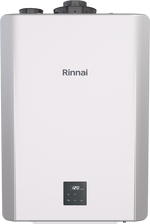
Choosing a tankless water heater can feel overwhelming, but it doesn’t have to be. Whether you’re a homeowner wanting to upgrade your system or a contractor helping clients, we wrote this guide to tell you everything you need to know—from sizing and fuel type to brands and long-term maintenance.
Why Choose a Tankless Water Heater? (Key Benefits)
Switching from a traditional tank heater to a tankless (on-demand) system brings several advantages:
1. Energy Efficiency & Cost Savings
Tankless heaters only heat water when you use it, eliminating standby losses. Over time, many homeowners see 10–30% lower utility bills (depending on your usage pattern and fuel cost).
2. Endless Hot Water on Demand
No more running out of hot water mid-shower. A properly sized tankless unit supplies continuous hot water to multiple fixtures (depending on sizing).
3. Compact, Flexible Installation
Tankless units are far smaller than storage tanks. They can fit in tighter spaces, free up basement/utility room area, and be mounted on walls (indoor or outdoor) in many cases.
4. Longer Lifespan & Low Maintenance
Good tankless units often last 20+ years with proper maintenance (compared to 10–15 years for tank heaters).
How to Size a Tankless Water Heater
Proper sizing is critical. If you undersize, you’ll run out of hot water; oversize, you’ll waste money.
Understanding Flow Rate (GPM)
- GPM = gallons per minute the unit must deliver.
- Estimate your peak simultaneous usage (e.g., shower + dishwasher + faucet).
- Typical need: 5–8 GPM for most single-family homes (varies by climate and fixture count).
To calculate the required GPM, estimate your peak simultaneous usage by summing the flow rates of fixtures that might run at once (e.g., shower + dishwasher). This often results in a 5–8 GPM need for standard homes. However, if you have a custom shower with multiple shower heads, body sprays, or raincan shower heads, your demand will be much higher. For these high-demand situations, you must explore options like installing multiple tankless units in parallel (cascading) or pairing a unit with a buffer tank to ensure the necessary GPM is met.
Calculating Temperature Rise
- Temperature rise = desired hot water temp minus incoming cold water temp.
- Example: if your incoming water is 50 °F and you want 120 °F, you need a 70 °F rise.
- Ensure your unit can deliver the required GPM at that rise.
Tip: Use manufacturer spec sheets to cross-check flow vs. rise curves.
Gas vs Electric Tankless Water Heaters
Each type has pros & cons. Your choice depends on your home setup, budget, and preferences.
| Feature | Gas (Natural Gas / Propane) | Electric |
|---|---|---|
| Typical Flow Capacity | Higher capacity for whole-house use | Good for smaller homes or point-of-use |
| Venting & Installation | Requires venting and possibly gas line upgrades | No venting, simpler installation (if electric capacity exists) |
| Operating Cost | Depends on gas prices (often cheaper per BTU) | Depends on electricity rates, may cost more in some areas |
| Upfront Cost | Usually higher installation cost | Usually lower installation cost if wiring capacity exists |
| Efficiency | High-efficiency condensing models available | Few losses, but limited by circuit capacity |
| Use Case | Best for whole-home high demand | Ideal for smaller homes, apartments, or point-of-use |
Recommendation:
If your home already has natural gas infrastructure and moderate-to-high demand, a gas unit often provides more headroom. If your plumbing is distant from gas or you have strong electric infrastructure, an electric model might be simpler and cheaper to install.
Top Tankless Water Heater Brands
Rinnai
Rinnai is widely regarded for reliability, a broad model range, and advanced features (like recirculation). Check out their options at Plumbing Deals – Rinnai.
Noritz
Noritz offers excellent condensing units and flexible venting. Explore their models at Plumbing Deals – Noritz.
Eemax
Eemax is strong in electric/on-demand units, especially for point-of-use applications. View their line at Plumbing Deals – Eemax.
Tip: When comparing, look at key specs like maximum GPM at target rise, warranty, and accessories (circulation pumps, venting options).
Installation Tips & Cost
Professional Installation Matters
Because tankless systems involve gas, venting, plumbing, and sometimes electrical upgrades, professional installation is strongly recommended. A poor installation can dramatically reduce performance, efficiency, or lifespan.
What Drives Installation Cost
- Venting materials and layout
- Gas line sizing or upgrades
- Electrical wiring (for electric units)
- Permits, inspections, and labor
- Condensate drainage (for condensing models)
Return on Investment
Because of energy savings and longer life, many installations pay for themselves over 7–12 years (or sooner in high-use households).
Maintenance & Longevity Tips
To keep your tankless water heater running optimally:
- Annual Descaling (Flushing): Hard water minerals accumulate over time. Flush with a vinegar or descaling solution.
- Clean or Replace Filters: Many units have inlet filters; keep them clean to prevent clogs.
- Inspect Venting & Condensate Lines: Ensure nothing is blocked or degraded.
- Check for Error Codes: Modern units often self-diagnose—catch small issues early.
With proper care, many units will remain trouble-free for 20 years or more.
FAQ
Are tankless water heaters worth it?
Yes, they offer energy savings by eliminating standby losses, providing endless hot water, and typically lasting longer than tank units, making them a smart long-term investment.
What size tankless water heater do I need?
It depends on your flow rate and temperature rise. For many homes, 5–8 GPM is sufficient, but always match specs to your peak usage.
Can I replace my old tank heater with a tankless unit easily?
It’s possible, but depending on venting, gas line, or electrical capacity, upgrades may be required. A professional installer should evaluate your setup.
How often do tankless heaters need maintenance?
At a minimum, an annual flush/descaling is advised in areas with hard water, more frequently if water quality is poor.
Next Steps
You’re not alone in making this decision—here’s what to do next:
Want to browse models?
Click below to see curated options:
Need help choosing or sizing?
Contact our Customer Experience team, and we’ll help match you to the right system.
Ready to buy?
Place your order or request a project quote. We offer expert support and quality parts.