You’re not alone if you’ve opened your utility bill and thought, “Why is my water bill so high all of a sudden?” From hidden leaks to everyday habits, a high water bill can creep up fast. In some cases, homeowners even report their water bill tripled in one month, leading to panic, confusion, and plenty of Reddit searches.
The good news? A high water bill is usually fixable once you understand the cause. Below, we break down what runs your water bill up the most, how to find hidden leaks, what to do if your bill seems wrong, and which products can help you save water long term.
How Much Water a Leak Can Waste
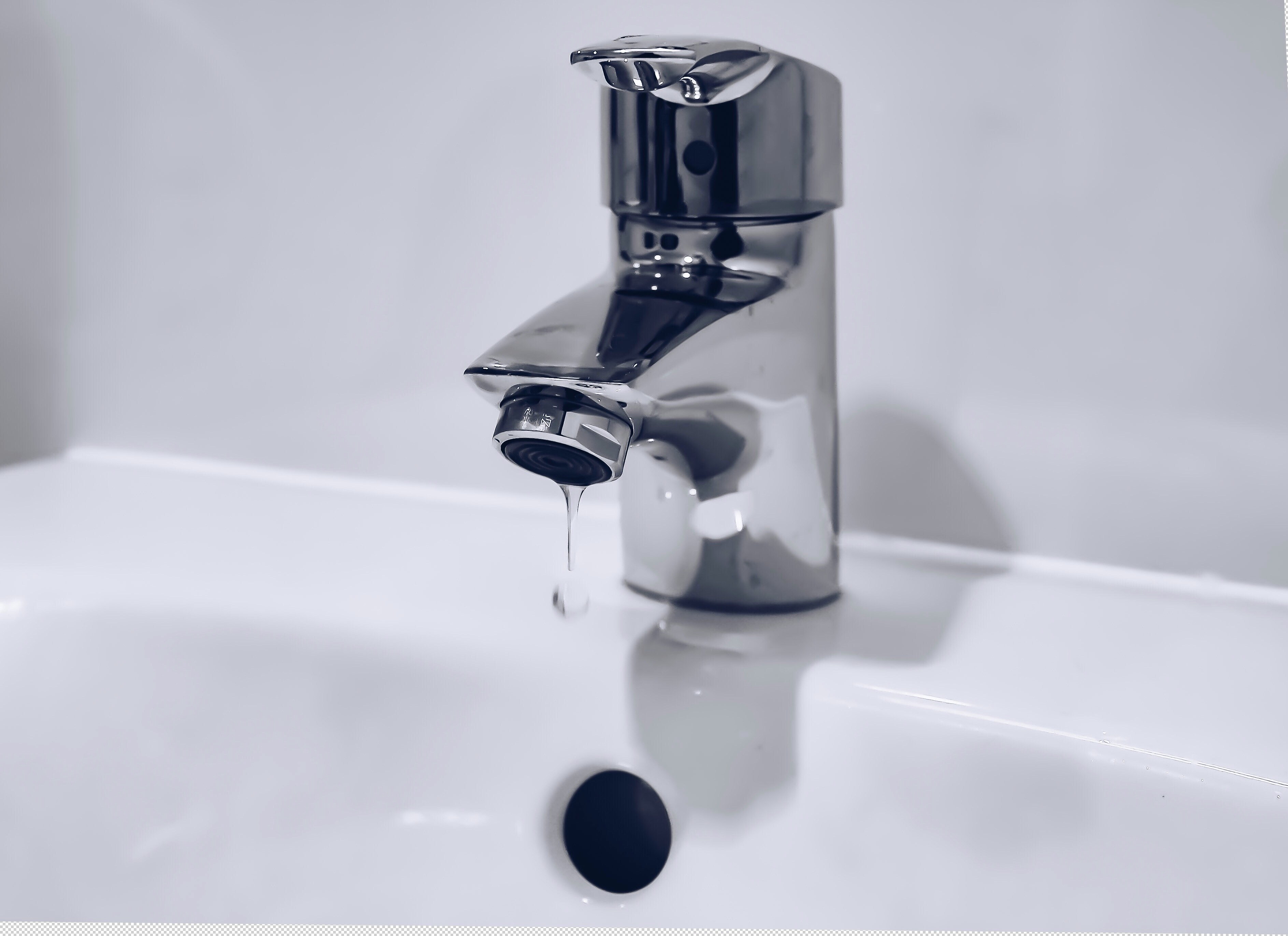
Even small leaks can quietly waste thousands of gallons. Use the chart below to understand how quickly leaks add up.
| Leak Type |
Gallons Wasted Per Day |
Gallons Wasted Per Month |
|---|---|---|
| Dripping faucet (1 drip/sec) | ~20 gallons | ~600 gallons |
| Leaky toilet (silent leak) |
200–300 gallons |
6,000–9,000 gallons |
| Running toilet |
500+ gallons |
15,000+ gallons |
| Small pipe leak (1/16") |
~100 gallons |
~3,000 gallons |
| Irrigation leak |
500–1,000 gallons |
15,000–30,000 gallons |
How Much Should a Normal Water Bill Be Per Month?
Many homeowners wonder: How much is the average water bill?
While costs vary by location, household size, and usage, the average U.S. water bill typically ranges from $45–$75 per month for a family of four. If your bill is far outside this range, it’s worth investigating.
To estimate how much should a normal water bill be per month, use this tool which can help you spot problems early.
10 Common Reasons Your Water Bill Is So High (and How to Fix Them)
A high water bill usually isn’t caused by just one mistake. In most homes, it’s the result of hidden leaks, aging fixtures, or everyday habits that quietly add up over time. Below, each common cause is broken out clearly, with a concise explanation of what’s happening, how to identify the issue, and the best way to fix it.
-
Running or Leaking Toilets
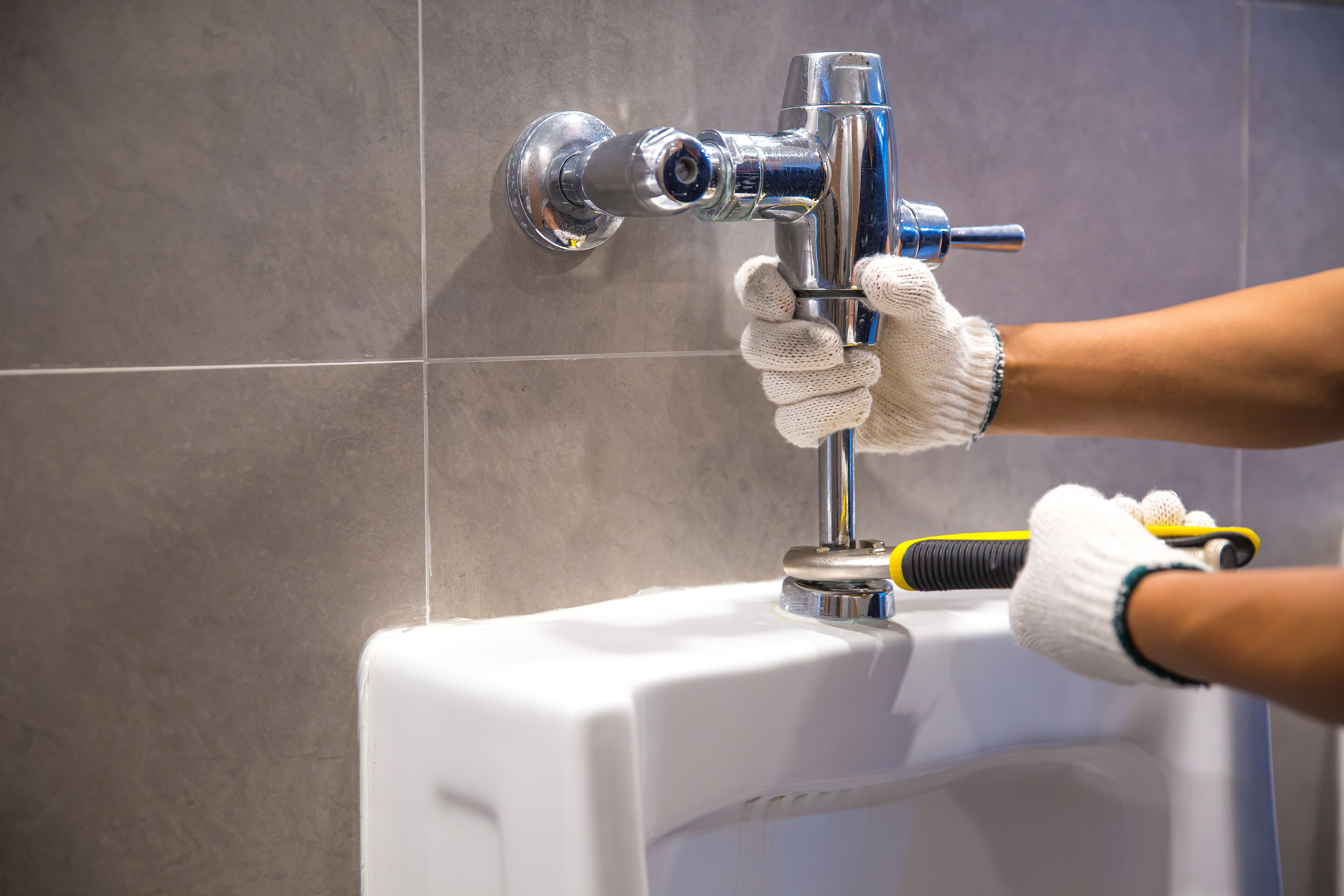
Running toilets are one of the most common answers to the question, “What runs your water bill up the most?” A worn flapper or faulty fill valve can allow water to leak continuously from the tank into the bowl, often without making noise. Because toilets use a large volume of water, even a slow internal leak can waste thousands of gallons per month.
You can check for this by placing a few drops of food coloring into the tank and waiting 15–20 minutes. If color appears in the bowl, the toilet is leaking. Replacing the internal components is usually inexpensive, and upgrading to a high-efficiency dual-flush toilet can dramatically reduce future water use.
-
Hidden Leaks Behind Walls or Under the Slab
If you’re dealing with a high water bill with no visible leak, water may be escaping from pipes hidden behind walls, under floors, or beneath a concrete slab. These leaks run constantly and often show up first as a spike on your water bill rather than visible damage.
One of the easiest ways to confirm this is by checking your water meter when all fixtures are turned off. Movement will indicate that there is a leak somewhere in the system.
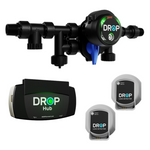
The most effective solution is to install a smart leak monitoring system, like the Drop Leak Detector. These devices can be placed near water heaters, under sinks, or behind washing machines. If moisture is detected, they send instant alerts to your smartphone, and advanced systems like this one can automatically shut off the water to prevent costly damage.
-
Old or Inefficient Toilets
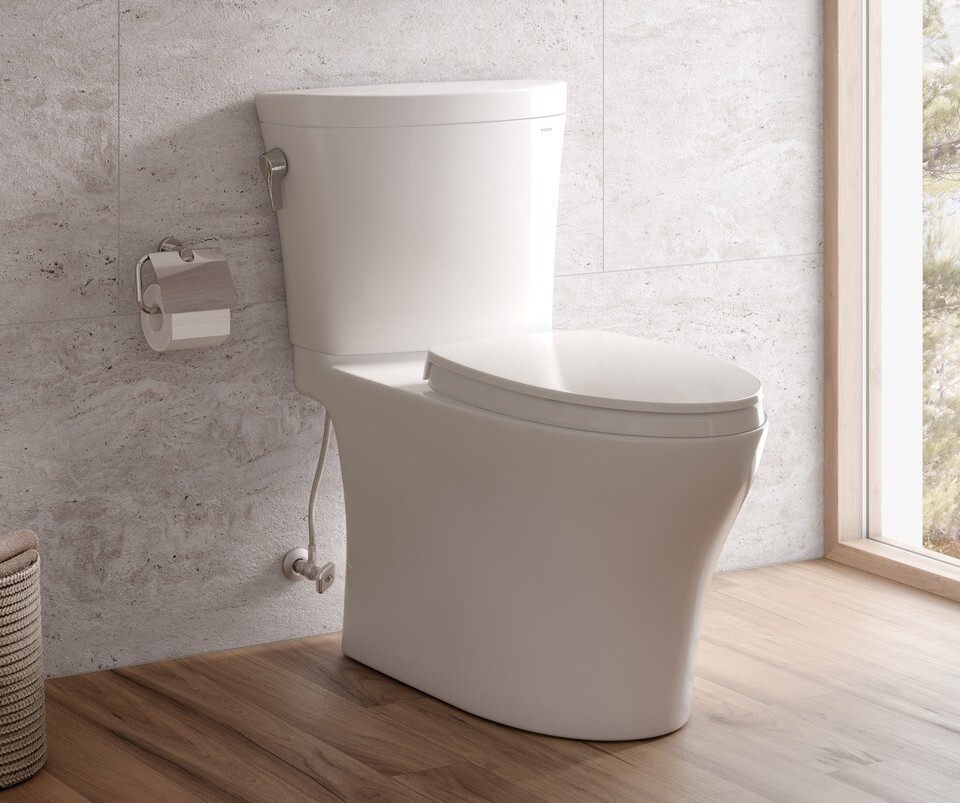
Older toilets (especially those installed before modern efficiency standards) can use anywhere from 3.5 to 7 gallons per flush, dramatically increasing water usage over time. In busy households, this adds up fast and often shows up as a consistently high water bill. You may also notice frequent clogs or the need to flush more than once, which wastes even more water.
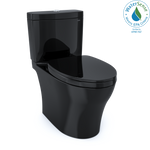
Replacing outdated toilets with modern dual-flush or WaterSense-certified models can cut water use per flush by more than half while still delivering strong, reliable performance. High-efficiency options like the Toto Aquia IV Arc Dual Flush Toilet and Toto Aquia IV Dual Flush Toilet use just 0.9 or 1.28 gallons per flush.
-
Excessive Shower Water Use
Long showers combined with high-flow showerheads are another major contributor to high water bills. A single long shower can use 40 gallons or more, and when multiple people shower daily, usage climbs fast. If your bill increases during schedule changes, guests staying over, or seasonal shifts, shower usage may be a factor.
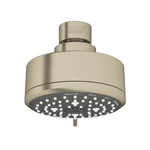
Installing a water-saving showerhead and reducing shower time by just a few minutes per person can lead to noticeable monthly savings. Consider a high-efficiency option like the GROHE Tempesta Cosmopolitan 1.75 GPM showerhead for strong performance while conserving water.
-
Leaky or Inefficient Faucets

A dripping faucet may seem minor, but it can waste hundreds of gallons of water over the course of a month, driving up your utility bill and contributing to unnecessary water waste. Faucet leaks are commonly caused by worn washers, cartridges, or seals, and can occur in kitchens, bathrooms, or outdoor spigots.
To identify leaks, inspect fixtures for visible drips, pooling water, moisture, or corrosion. Pay attention to sounds of running water when all faucets are off, as even minor leaks can often be detected audibly.
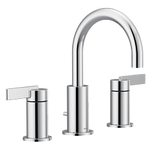
For long-term water savings, consider upgrading to a low-flow or on-demand faucet like the Moen Cia Chrome Two-Handle Bathroom Faucet. These modern fixtures reduce water flow without sacrificing performance, helping to lower your water bills and support a more sustainable household.
-
Irrigation and Sprinkler System Leaks
Outdoor water use is frequently overlooked, yet irrigation system issues can waste thousands of gallons each month. Cracked lines, broken sprinkler heads, or poorly programmed timers may cause water to run when it’s not needed.
Signs include soggy patches in the yard, uneven grass growth, or water spraying onto sidewalks and driveways. Regular inspections, prompt repairs, and watering during early morning hours can keep outdoor usage under control.
-
Increased Household Water Usage

Not every high water bill is caused by leaks or faulty fixtures, sometimes it simply reflects higher household demand. More people at home, whether due to guests, children on break, or remote work, naturally increases daily water use through laundry, dishes, showers, and toilet flushing.
Tracking usage during these periods can help pinpoint why your bill has spiked. Implementing water-conscious habits, such as staggering laundry loads, running dishwashers only when full, and limiting simultaneous showers, can help manage consumption and prevent unexpected increases.
-
Aging or Inefficient Appliances
Older washing machines and dishwashers can consume far more water than modern, high-efficiency models, sometimes using twice as much per cycle. If you notice your water bill climbing during weeks with heavy laundry or frequent dishwashing, aging appliances could be a major contributor.
To minimize waste, always run full loads when possible and consider upgrading to ENERGY STAR or WaterSense-certified appliances. These modern machines use significantly less water and energy, helping to lower monthly utility costs while maintaining cleaning performance.
-
Billing Errors or Meter Problems
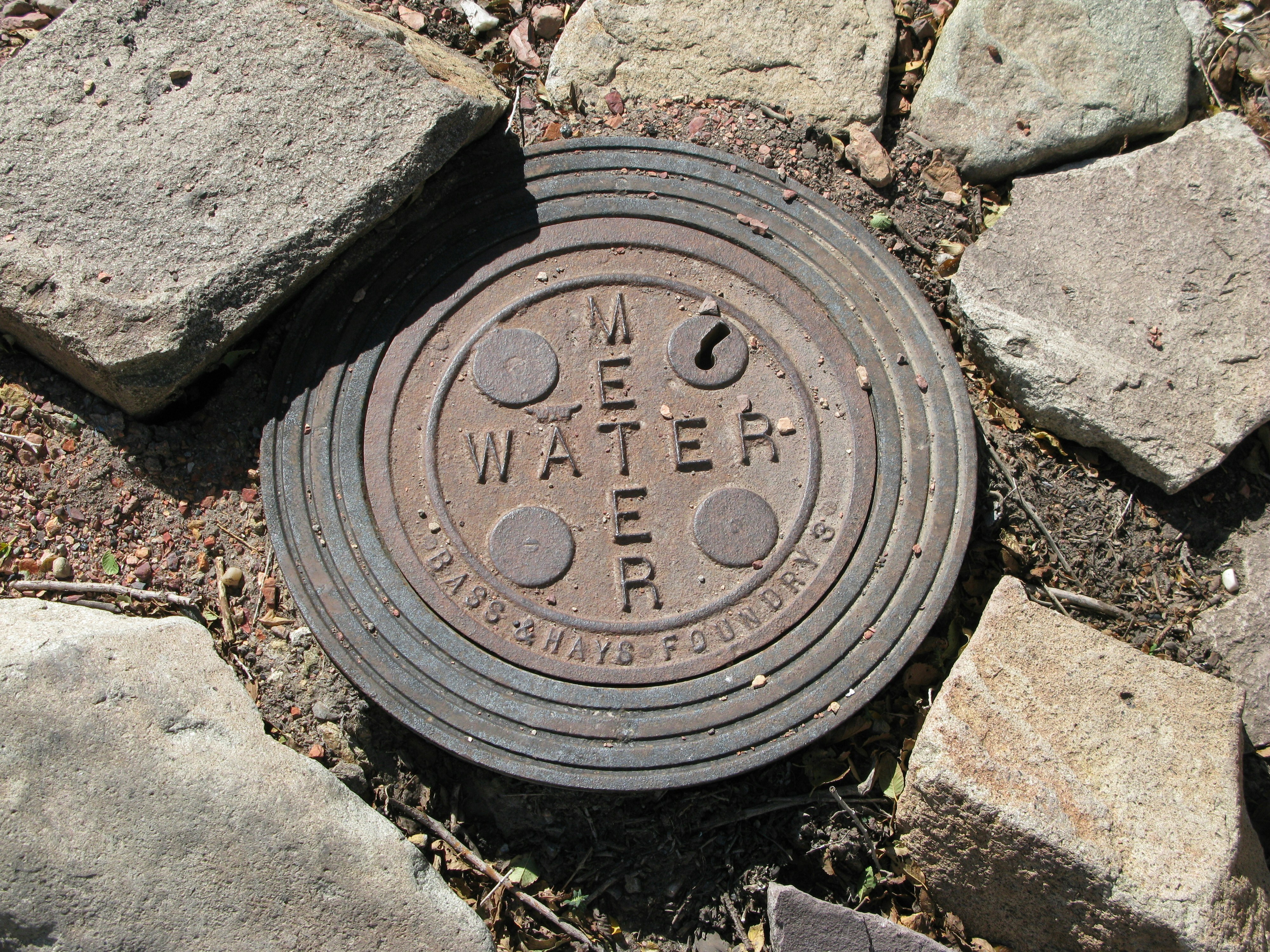
Sometimes a high water bill isn’t caused by your household usage at all. Incorrect meter readings, estimated bills, or clerical errors can lead to charges that don’t reflect your actual consumption.
To check for discrepancies, compare the meter reading on your bill with your physical meter and review past statements for unusual spikes. If the numbers don’t align, contact your water provider to request a re-read or a formal investigation. Catching errors early can prevent overpayment and help ensure your billing is accurate.
-
Sudden Pipe Failure or Major Leak
If your water bill tripled in one month or you’re asking, “Why is my water bill $400?”, a sudden pipe failure may be to blame. Burst pipes or major leaks can dump large amounts of water in a short period of time.
Warning signs include sudden drops in water pressure, constant sounds of running water, or a sharp spike in your meter reading. In these situations, shutting off your main water valve immediately and calling a licensed plumber can prevent further damage and cost.
How to Find a Leak When the Water Bill Is High
- Turn off all water inside and outside your home
- Check your water meter and record the reading
- Wait 1-2 hours without using water
- Recheck the meter, and if it moved, you likely have a leak
This is one of the easiest ways to confirm a high water bill with no visible leak.
How to Dispute a High Water Bill
If your usage doesn’t match your habits, disputing a high water bill may be necessary.
Steps to take:
- Review your bill and compare past usage
- Check for leaks using your water meter
- Gather repair receipts if leaks were fixed
- Contact your water provider to request a re-read or adjustment
Many utilities offer one-time leak forgiveness programs, especially for sudden spikes.
Start Reducing High Water Bills Today
Ignoring a high water bill can lead to long-term damage, higher utility costs, and even structural issues from hidden leaks. The sooner you investigate, the easier it is to fix.
If you’re dealing with a sudden spike, a bill that tripled in one month, or ongoing unexplained usage, start with leak detection and fixture upgrades because small changes can make a big difference.
Plumbing Deals offers water-saving fixtures, leak detection systems, and efficiency upgrades designed to keep your home protected and your water bill under control.