If you've ever wondered what a boiler is, how boilers work, or what boilers are used for, then you're not alone. Whether you’re researching boiler installation, comparing models, or trying to understand the system already heating your space, this guide walks through everything you need to know. From types of boilers and efficiency to installation and maintenance, this page is designed to help you make informed decisions without feeling overwhelmed.
What Is a Boiler and Why Does It Matter?
A boiler is a central heating system that heats water or produces steam and distributes that heat throughout a home or building. Unlike forced air systems, boilers use pipes to move hot water or steam to radiators, baseboards, or radiant floor systems.
So, what’s a boiler used for? Boilers are used to provide consistent, even heat throughout a space, often with less noise and fewer temperature swings than a furnace. You’ll commonly find them used in homes with radiator or baseboard heating, central boiler systems for radiant floor heating, older buildings with steam heating, as well as multi-unit residential and commercial properties.
How Do Boilers Work?

While systems vary by type and fuel source, the basic process is similar across most central units. Boilers use gas, oil, or electricity to generate heat which warms water inside, producing either hot water or steam. The heated water or steam moves through pipes to radiators, baseboards, or radiant floors.
As the water cools, it returns to the boiler to be reheated, creating a continuous cycle. This closed loop system allows boilers to deliver steady, reliable heat without blowing air or relying on ductwork.
Key Boiler Components and Accessories You’ll Hear About
Most boiler systems rely on the same core components:
- Heat exchanger: Transfers heat from the fuel to the water.
- Burner: Generates heat in gas boilers and oil boilers.
- Circulator pump: Moves water through the system.
- Expansion tank: Manages pressure as water heats and expands.
- Controls and safety devices: Regulate operation and protect the system
- Zone Valves and Controls: Allow different areas to be heated independently.
- Safety and Relief Valves: Protect the system from overpressure and prevent damage.
These components work together to keep the system efficient, safe, and comfortable. Many of them also play a key role in maintenance and long-term performance.
The Main Types of Boilers You’ll See
Traditional Cast Iron Boilers
Cast iron boilers are the classic, long-lasting option. Steam boilers heat water into steam, which travels through pipes to radiators. Hydronic (water) boilers circulate hot water through baseboards or radiant floors. These systems are highly reliable and often found in older homes or multi-unit buildings. While durable, they’re generally less energy-efficient than modern boilers, which can lead to higher fuel costs over time.
You can learn more about steam boilers and hydronic boilers in our blog posts!
High-Efficiency Hydronic Boilers
High-efficiency hydronic boilers are modern condensing units designed to save energy by capturing extra heat from exhaust gases that older boilers release. These systems provide consistent heat with improved fuel efficiency, and are ideal for new construction or major renovations. Because of the cooler, slightly acidic exhaust they produce, these boilers require specialized venting and often include components to manage condensate safely.
To discover more about high efficiency and hydronic boilers, read these posts from our blog!
Combination (Combi) Boilers
Combi boilers provide both space heating and domestic hot water from a single, compact system. By eliminating the need for a separate water heater, they save space while maintaining efficiency. Combi boilers are particularly well-suited for smaller homes or apartments, or for anyone looking to streamline their heating system without sacrificing performance.
Commercial Boilers
Commercial boilers are built for larger buildings and high-demand applications. They’re designed with higher output, more durable components, and advanced controls to handle frequent use and heavier heating loads. These systems are common in multi-unit residential buildings, offices, and other commercial spaces where reliable heat is critical.
Boiler Fuel Types and Venting
Fuel Options
Fuel type influences operating cost, installation complexity, and maintenance. It also affects what venting and safety measures your system requires.
- Natural gas or propane (LP): Most common, with some modern units offering easy conversion between the two.
- Oil: Less common but still in use, particularly in colder or rural areas.
- Electric: Quiet, compact, and ideal for smaller spaces or where venting is limited.
Venting Requirements
Using the correct venting ensures safe operation, protects the home from damage, and keeps the boiler running efficiently. High-efficiency venting also supports the energy-saving benefits of modern boilers.
- Atmospheric/chimney venting: Standard for older cast iron boilers.
- High-efficiency venting: Uses materials like PVC or polypropylene piping for condensing units. Proper condensate management is required to handle acidic runoff.
The Best Boilers for Your Space
Steam Boilers
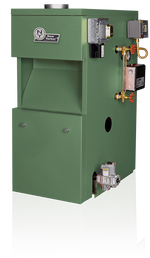
New Yorker CGS-C Series
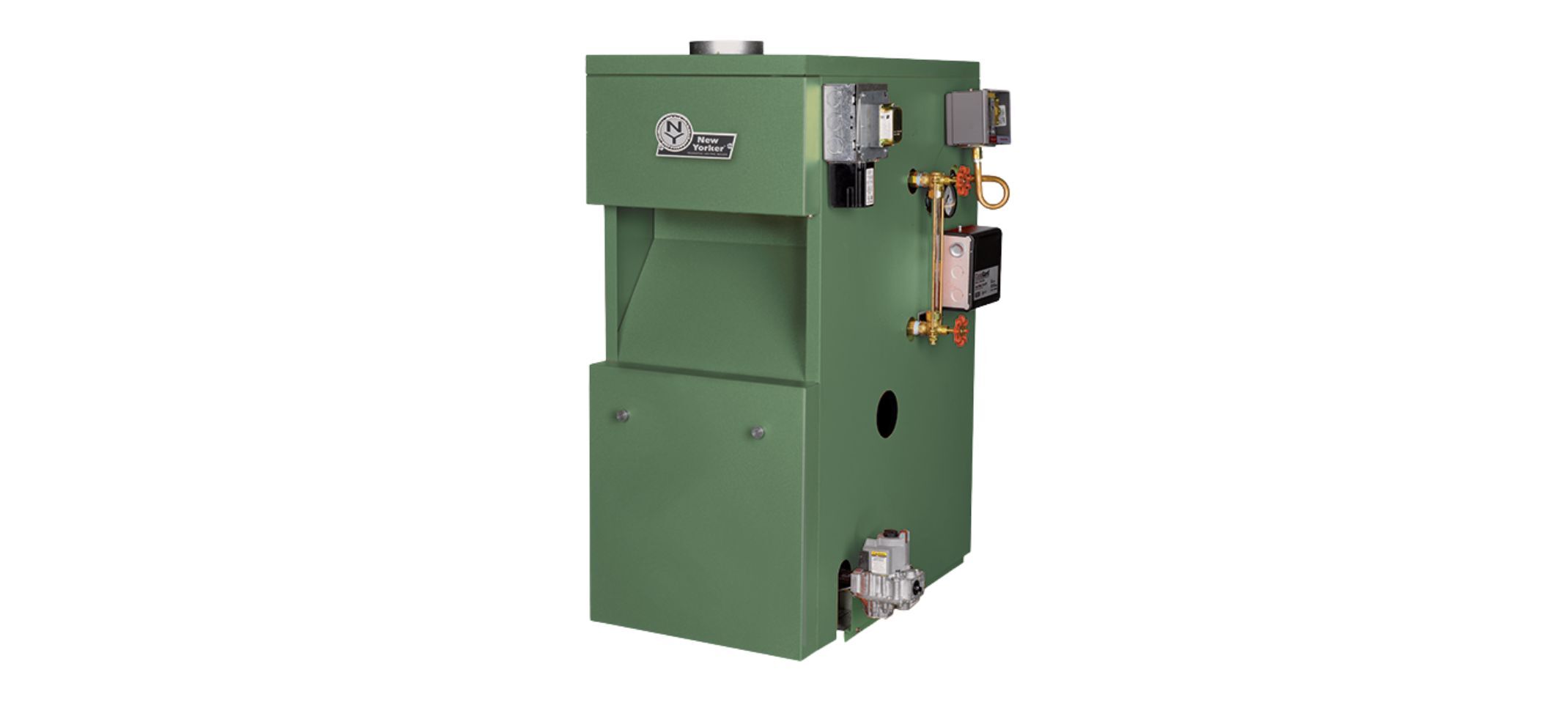
The New Yorker CGS-C Series is a cast iron steam boiler built for reliability and long-term performance. Its robust construction ensures durability, making it a go-to choice for older homes or multi-unit buildings that rely on radiator heating. The CGS-C Series features precise heat control and efficient fuel use, helping reduce operating costs over time.
With thoughtful design and proven technology, it delivers dependable, consistent steam heat throughout the space. This boiler is easy to service, and its straightforward controls make operation simple for both homeowners and service professionals.
Pennco 16 Series
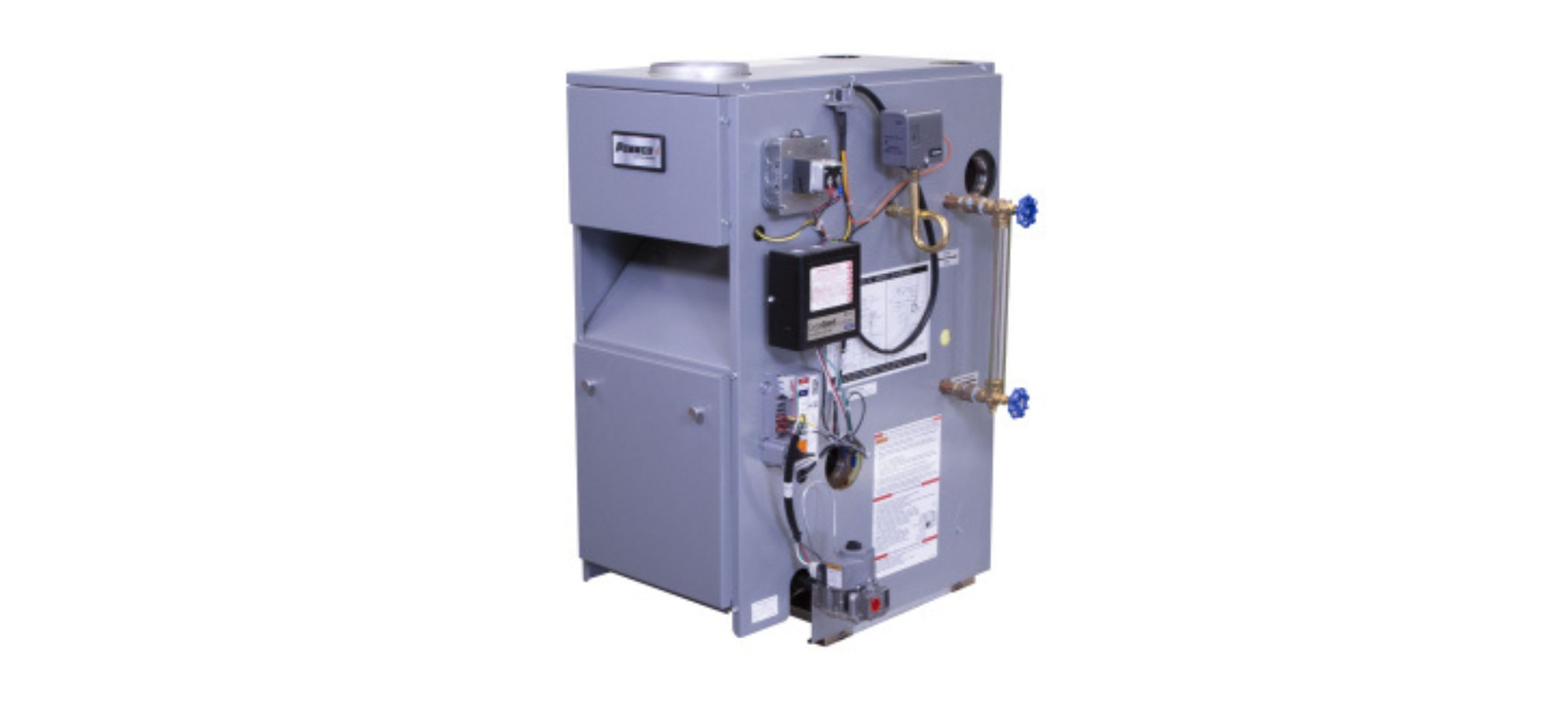
The Pennco 16 Series is a high-output steam boiler designed for homes and buildings that demand reliable heat. Its cast iron construction ensures a long lifespan, while advanced controls provide consistent performance and efficiency. The 16 Series handles larger spaces with ease, delivering steady warmth without the uneven temperature swings sometimes found in older boilers.
Built with serviceability in mind, this boiler allows for easy maintenance and component access, making it a practical choice for both homeowners and professional installers.
Hydronic Boilers
Pennco Silver 15B

The Pennco Silver 15B is a natural gas, cast iron hydronic boiler designed for residential comfort and efficiency. Supporting up to seven zones, it allows different areas of a home to be heated independently, giving homeowners precise control over temperature.
Its high-quality construction ensures a long operational life, and its consistent heat delivery keeps rooms evenly comfortable. Installation is straightforward, and its compatibility with standard piping and controls makes it a versatile choice for renovations or new builds.
This boiler balances performance, durability, and cost, making it a solid option for those seeking a reliable home heating solution.
New Yorker CG40

The CG40 delivers efficient hot water heating for baseboards or radiant floor systems. Its compact design allows it to fit in tighter spaces without sacrificing performance, making it a practical choice for a variety of home layouts. The CG40 offers steady, reliable heat while helping reduce fuel consumption thanks to its well-engineered water circulation system.
With robust construction and proven hydronic technology, this boiler provides consistent performance year after year, and its intuitive controls make operation simple for homeowners.
High-Efficiency Boilers
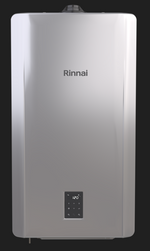
Rinnai I-Series Plus
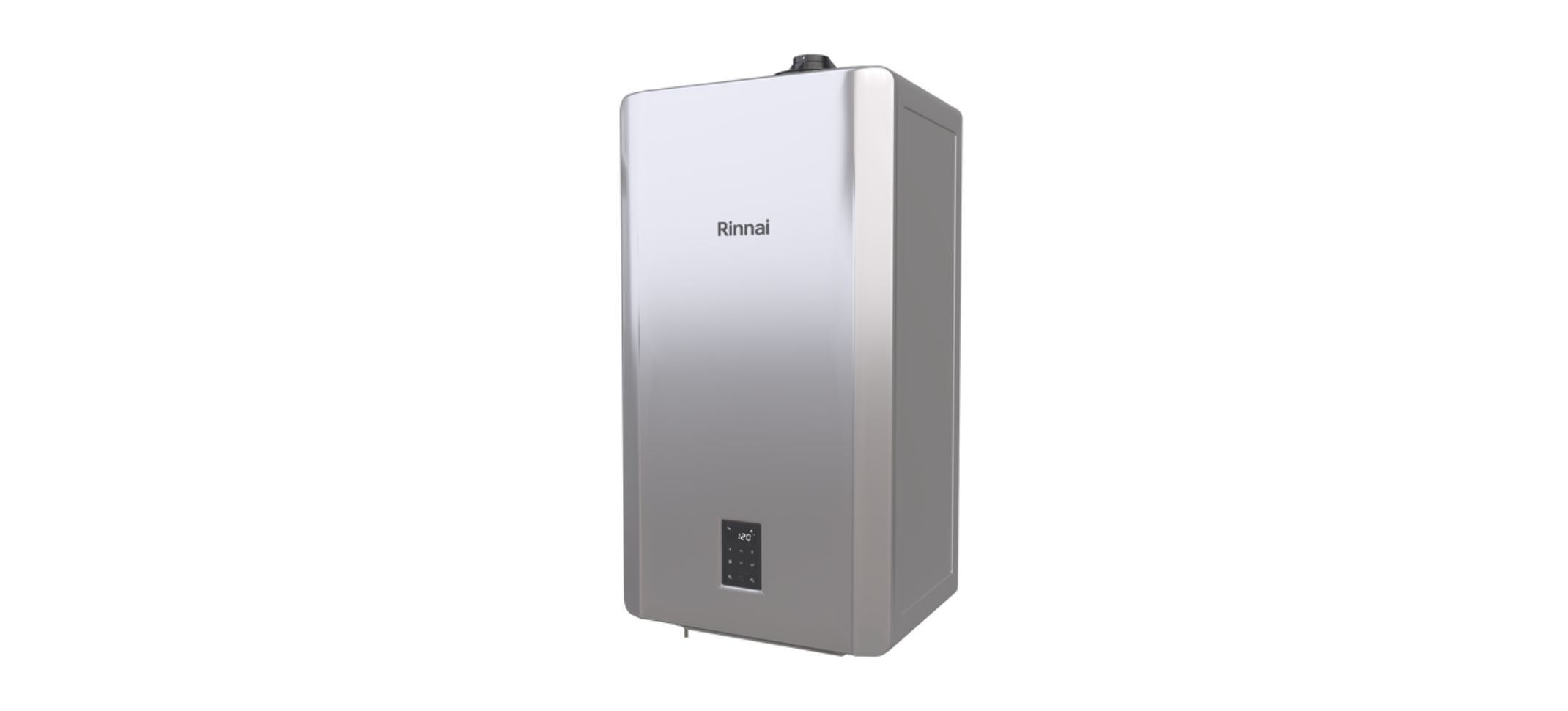
The Rinnai I-Series Plus offers advanced condensing technology, which extracts extra heat from exhaust gases to improve fuel efficiency. Compact and versatile, it fits easily in mechanical rooms or tight spaces while still delivering robust heating performance. Its modern control system allows precise temperature management, and the boiler’s design supports long-term reliability with reduced maintenance needs.
Ideal for homeowners who want both efficiency and comfort, the Rinnai I-Series Plus is built to lower energy costs while providing quiet, steady heat. Learn more
Viessmann Vitodens 100-W

The Viessmann Vitodens 100-W is a high-efficiency hydronic boiler that delivers quiet, consistent heating with outstanding energy savings.
Its condensing design captures more heat from exhaust gases, reducing fuel consumption and lowering emissions. The boiler’s advanced controls allow precise temperature regulation for multiple zones, and its high-quality construction ensures long-term durability.
Designed for both new construction and retrofit projects, the Vitodens 100-W combines performance, efficiency, and reliability, making it an excellent choice for homeowners seeking a modern, energy-conscious heating solution
Combination (Combi) Boilers
Noritz NRCB
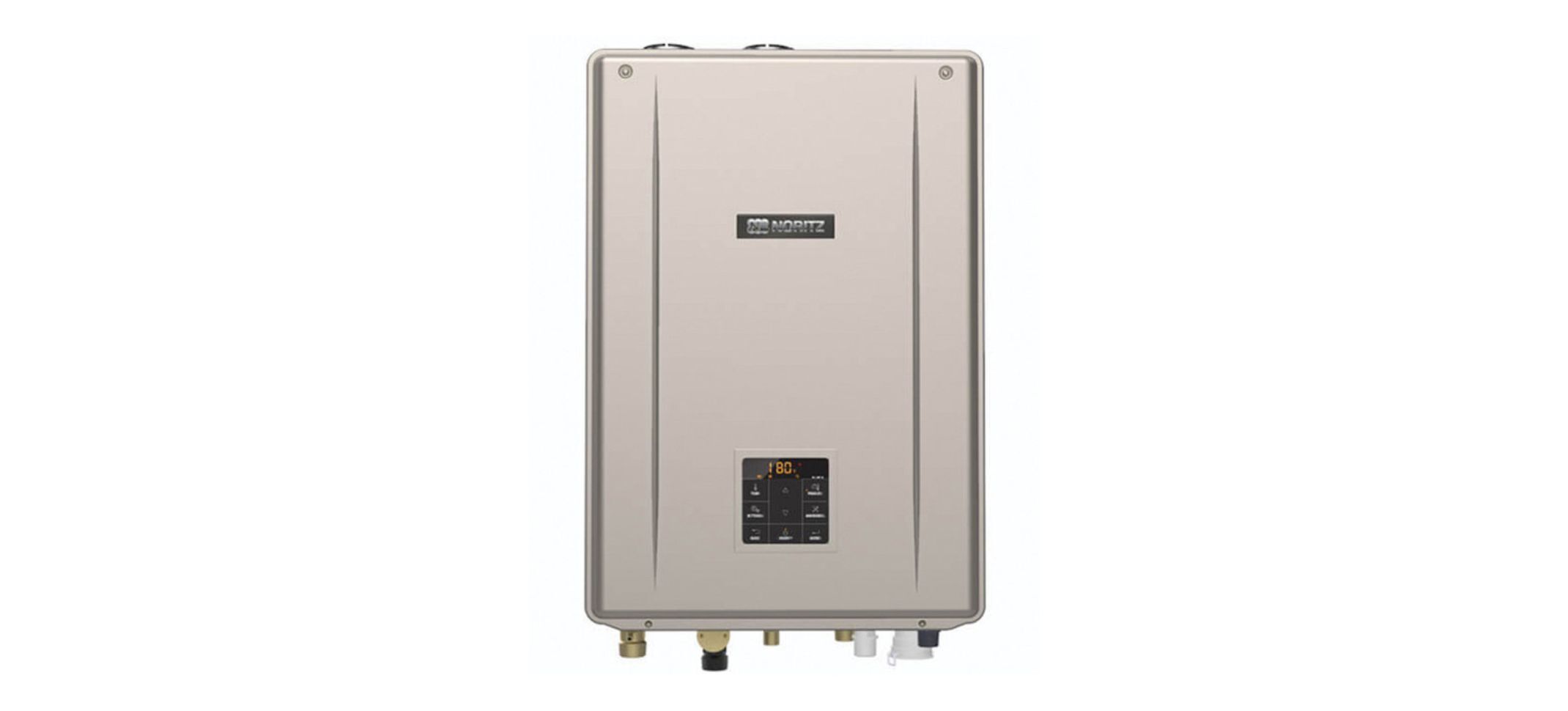
The Noritz NRCB delivers both space heating and on-demand hot water in a single compact unit. Its condensing design maximizes energy efficiency, while the integrated control system allows homeowners to manage heating and water needs with ease.
The NRCB is easy to install and maintain, making it a reliable solution for small to medium homes. By combining two essential systems in one, it saves space without compromising performance or comfort. Learn more
Viessmann Vitodens 100-E
The Viessmann Vitodens 100-E is a high-efficiency combi boiler designed to handle both heating and domestic hot water in a single unit. Its condensing technology improves fuel efficiency and reduces operating costs, while its compact design makes it ideal for homes with limited mechanical space.
The Vitodens 100-E offers precise temperature control and quiet, reliable operation, making it a versatile and long-lasting choice for homeowners who want both comfort and energy savings.
Boiler Efficiency Explained
Efficiency affects how much fuel a boiler uses and how much it costs to operate overtime. High efficiency boilers reduce fuel consumption, lower emissions, and may qualify for rebates or incentives in some areas. They’re particularly appealing for new installations or major upgrades where long-term savings are a priority.
What AFUE Ratings Mean
AFUE stands for Annual Fuel Utilization Efficiency. It measures how much fuel is converted into usable heat. A higher rating means less energy is wasted. While higher efficiency boilers often save money over time, the most efficient model isn’t always the best fit for every system.
How to Correctly Size a Boiler
Correct boiler sizing is critical for performance, comfort, and long-term system health. Two homes of the same size can require very different boiler outputs depending on key details. Boiler sizing is based on heat loss, not just square footage. Factors include:
- Home or building size and layout
- Insulation quality
- Window type and placement
- Local climate and average winter temperatures
- Type of heat distribution, such as radiators or radiant floors
Oversized boilers heat water too quickly and shut off before completing a full cycle, a process called short cycling that wastes energy, causes uneven heat, and puts extra stress on the system. Undersized boilers run continuously to meet demand, but often cannot maintain temperature, resulting in colder rooms and extra strain on pumps and controls.
If you’re unsure, look into professional heat loss calculations to ensure the boiler and supporting components are sized correctly.
What to Expect During Boiler Installation or Replacement
When it’s time to replace your boiler, it’s often simpler than people imagine. In many cases, existing piping and heat emitters can be reused. Installation typically involves:
- Removing the old boiler
- Connecting the new unit to fuel and piping
- Updating venting if necessary
- Testing the system for safe operation
Permits and inspections vary by location, but a proper installation focuses on safety, efficiency, and long-term reliability.
Boiler Maintenance and Lifespan
Most people don’t think much about their heating and boilers system until something stops working. Units typically last between 15 and 25 years depending on installation quality, system sizing, and regular maintenance. Understanding what a boiler does and why it matters makes it easier to recognize problems early and plan ahead for repairs or replacement.
Annual Boiler Maintenance Basics
Regular maintenance helps prevent breakdowns and extends system life. Routine service includes:
- Checking system pressure
- Inspecting expansion tanks, pumps, valves, and controls
- Cleaning internal components
- Testing safety devices
When It’s Time to Replace Your Boiler
Common Boiler Problems and What They Usually Mean
- No heat or hot water: Often caused by control, fuel, or ignition issues.
- Unusual noises: Banging, whistling, or gurgling may indicate air in the system, scale buildup, or circulation problems.
- Pressure fluctuations: Pressure issues are frequently linked to failing expansion tanks or relief valves.
- Leaks or Drips: Even small leaks can signal worn seals or failing internal components and should be addressed promptly.
Boiler FAQs
Are boilers better than furnaces?
Boilers provide quiet, even heat while furnaces heat air quickly. The best choice depends on your system and comfort needs.
How often should a boiler be serviced?
Annual service is recommended to maintain efficiency and longevity.
Do boilers heat domestic hot water?
Some, especially combination boilers, provide both space heating and domestic hot water.
Do I need an expansion tank?
Yes. Expansion tanks are essential for pressure management and system safety.
How much should a boiler cost?
Costs vary depending on type, size, and installation requirements.
How long do boilers last?
Most last between 15 and 25 years with proper care.
Can boilers explode?
Modern boilers include multiple safety features to prevent overpressure when properly installed and maintained.
Do boilers have filters?
Boilers rely on clean water and properly functioning components rather than air filters.
Choosing the Right Boiler with Confidence
The right boiler provides consistent heat, operates efficiently, and works in harmony with the rest of your system. When properly selected, installed, and maintained, it can deliver reliable comfort for decades.
At Plumbing Deals, we offer a curated selection of boilers and components, backed by expert guidance to help you find the solution that fits your needs. With the right information and the right system, you can enjoy reliable heat and peace of mind for years to come.