Ever wonder what’s really in your tap water? If you’re like most homeowners, you want drinking water that tastes great, looks crystal clear, and doesn’t leave you worrying about mystery contaminants. That’s where reverse osmosis (RO) systems, especially the Sterling QCRO Series, step in to save the day.
Let’s Break Down How RO Works
RO isn’t magic. It’s proven science. Water gets pushed through a super-fine, semi-permeable membrane, screening out nasties up to 0.0001 microns small! We’re talking lead, fluoride, nitrates, and all sorts of tiny troublemakers you don’t want in your glass. The difference? Your water tastes fresher, smells cleaner, and helps everything from your morning coffee to your favorite pasta dish shine.
One of our favorites? The QCRO-50. Compact, efficient, fits under the sink, and delivers performance you can count on—no fancy plumbing skills required.
Why the Sterling QCRO Series Gets the Plumbing Deals Stamp of Approval
Not all RO systems are built the same. Here’s what makes the Sterling QCRO models shine:
-
Quick-Connect Fittings: No need to bust out specialty wrenches or call in favors from your plumber buddy. Installation is straightforward.
-
Color-Coded Tubing: No more guessing which hose goes where. It’s basically “installation for the rest of us.”
-
Built-In Auto Shut-Off Valve: Ever worry about flooding? The QCRO stops itself when the tank’s full, so you don’t have to.
-
Modular Filters: Swapping filters shouldn’t be a wrestling match. These pop in and out with no mess.
Got low water pressure? Give the QCRO-50-PUMP a look. The built-in pump keeps everything running smoothly, even in tricky setups.
Keeping Your RO System Happy (It’s Easier Than You Think)
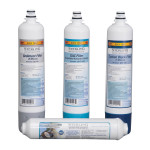
How do you keep that pure water flowing? Stick to a simple filter replacement routine. The all-in-one ROQC-B pack has everything—sediment, carbon, and membrane filters—so you’ll always be ready for top-notch water.
Filter Replacement Schedule:
-
Sediment/Carbon Filters: Every 6–12 months. Easy peasy.
-
RO Membrane: Every 2–3 years. Set a calendar reminder and you’re golden.
Pro tip: If you’re on well water or your city’s got higher Total Dissolved Solids (TDS), stick to the shorter end of the schedule for max freshness.
Should You Get a Booster Pump? Here’s the Scoop
Most RO systems are happiest between 40–80 PSI of water pressure. Not sure if you’ve got enough? Grab a cheap pressure gauge (less than $15 at most hardware stores). Attach it to an outdoor faucet for instant results. If you’re below 40 PSI, things get sluggish and you won’t get that amazing flow. Over 80 PSI? Consider a pressure regulator.
Here’s a quick cheat sheet:
|
Water Pressure |
RO System Efficiency |
Recommended Action |
|
Under 40 PSI |
Poor flow, low output |
Use a booster pump |
|
40-80 PSI |
Optimal performance |
Standard RO is fine |
|
Over 80 PSI |
Risk of leaks/damage |
Use a pressure regulator |
Still on the fence? Booster models like the QCRO-50-PUMP are a great pick for well water setups or older plumbing.
Who’s RO For? (Hint: It Might Be You)
Ask yourself: Want water you actually look forward to drinking? Want to make your coffee, tea, and recipes taste the way they should? The Sterling QCRO Series is a smart, low-effort upgrade that fits right under your sink and makes a real difference you’ll notice every day.
At Plumbing Deals, we’ve seen everything from murky city tap to stubborn well water. This lineup keeps winning us over with its balance of simple maintenance, strong filtration, and wallet-friendly price.
Ready to Upgrade? Here’s Where to Start
Check out the full QCRO range and see which one fits your kitchen (and your budget):
Got questions? Hit us up. We’re here with expert advice (and plenty of stories from happy RO owners). Clean, refreshing water is just a tap away!