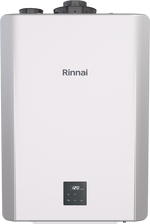
Thinking about upgrading your home’s hot water system? Moving from a traditional tank to a tankless water heater is a popular choice for homeowners looking to improve efficiency and convenience. Whether you currently have a 40-gallon Rheem, A.O. Smith, or State Water Heater tank, you should know that these traditional systems have an average lifespan of 10-12 years, with efficiency dropping by about 1% annually. If you’re ready for an upgrade, switching to a tankless water heater—whether a gas or electric tankless water heater—can mean significant long-term savings, lower energy bills, and the luxury of on-demand hot water.
Let’s talk about some of the pros and cons to help you decide if making the switch (and investing in professional tankless water heater installation) is the right move for your home.
The Pros of Going Tankless
Upgrading to a tankless water heater offers several attractive benefits that can improve your daily routine and lower your utility costs.
Endless Hot Water
A tankless water heater provides a continuous supply of hot water. You can run multiple showers or appliances at once without worrying about running out. To get the best results, ensure the heater’s BTU output or the electric tankless water heater capacity is properly sized for your home’s total hot water needs. For larger homes or higher hot water demands, you can install multiple tankless units.
Increased Efficiency and Savings
Unlike traditional tanks, a tankless hot water heater only heats water when you need it. This eliminates standby heat loss, as there’s no giant tank constantly heating water. The result is lower energy use and real savings on your bills. Many homeowners find that the tankless water heater cost is quickly offset by the energy savings over time.
More Space in Your Home
Tankless water heaters are compact and wall-mounted, freeing up valuable floor space in your garage, closet, or utility room. This is especially ideal for smaller spaces or anyone interested in a cleaner layout.
A Longer Lifespan
With proper maintenance, a tankless water heater can last 20 years or more—nearly double the lifespan of a standard tank water heater, which usually lasts 10-15 years. This extended life means less frequent replacement and a better return on investment.
Reduced Risk of Leaks
Since there’s no large tank storing gallons of water, the risk of a major leak and costly water damage is significantly lower.
The Cons of Going Tankless
While a tankless water heater comes with many benefits, there are some important factors to weigh before you commit.
Higher Initial Cost
The upfront tankless water heater cost is typically higher than with a traditional tank system. Both the price of the best tankless water heater models and the tankless water heater installation cost can be significant. However, lower energy bills and a longer lifespan can balance this over time.
Complex Installation
Tankless water heater installation can be complex. It often involves moving water and gas lines, upgrading the gas pipe size, and installing new venting. For electric tankless water heater models, you may need an electrician to add a required GFI outlet. Professional installation is strongly recommended to ensure safety and system reliability.
Flow Rate Limitations
While a tankless water heater delivers endless hot water, each unit is rated for a specific flow rate (gallons per minute, or GPM). Using multiple hot water sources at once can sometimes exceed the capacity, causing a drop in water temperature. For larger households, installing multiple tankless units can be an effective solution.
Regular Maintenance is Key
To maximize efficiency and lifespan, tankless water heater maintenance—including periodic descaling—is essential, especially in areas with hard water.
Short Wait for Hot Water
Without a recirculation pump, it may take a little longer for hot water to reach the faucet compared to a traditional tank water heater. This is simply because water is heated on demand.
Recommended Tankless Models
If you’re searching for the best tankless water heater for your home, these top-rated options are worth considering.
The Rinnai RX Series: A Great All-Around Choice
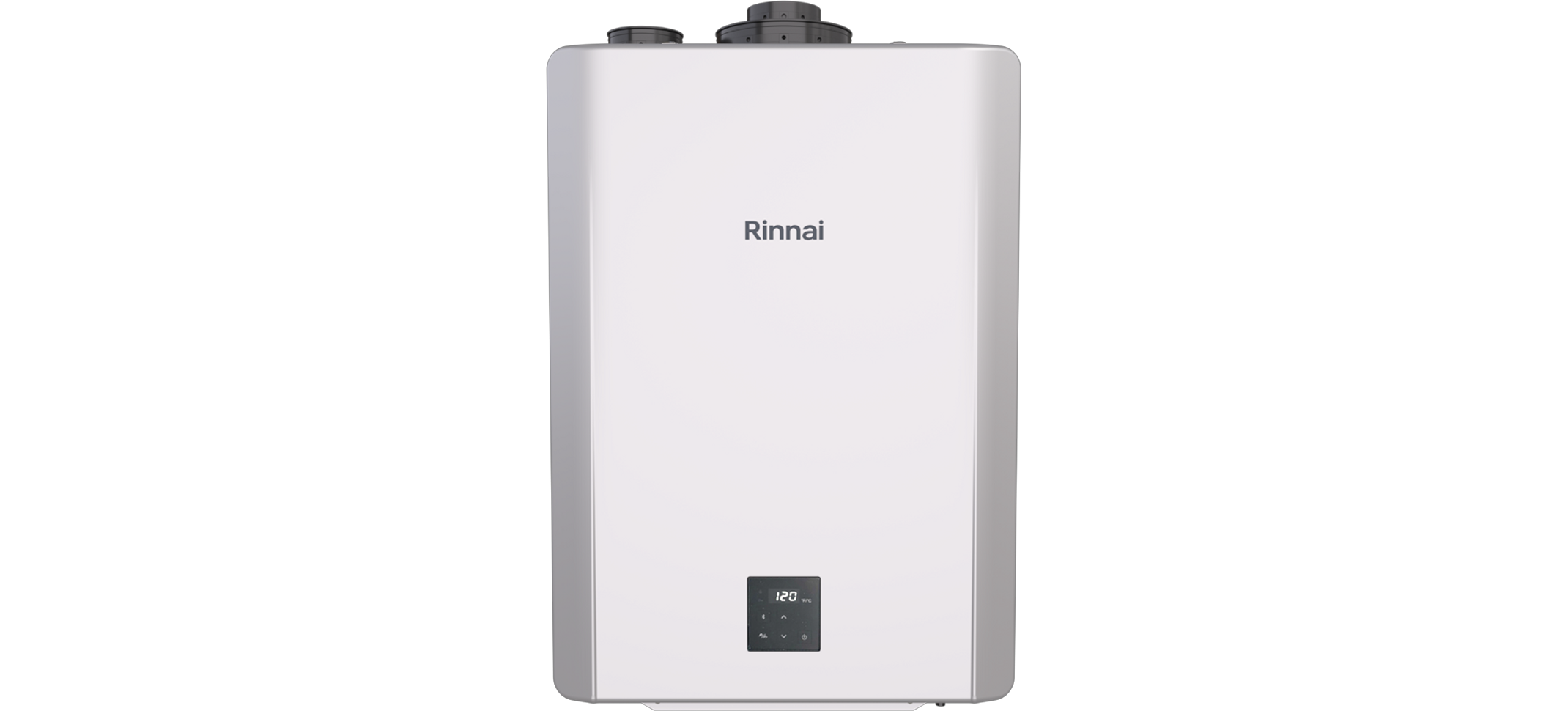
For an excellent all-around tankless water heater, consider the Rinnai RX Series 11.1 GPM 199,000 BTU Indoor/Outdoor Condensing Tankless Water Heater. This condensing unit is highly efficient with a 0.98 UEF (Uniform Energy Factor) rating.
While the unit itself offers great value, remember that labor can be a significant cost when converting to a tankless system. Plumbers often need to relocate water and gas lines and adjust venting for the new unit. The RX Series is a sound investment, enhanced by its integrated Smart Circ pump.
Noritz EZTR75NG: Engineered for Simpler Installation
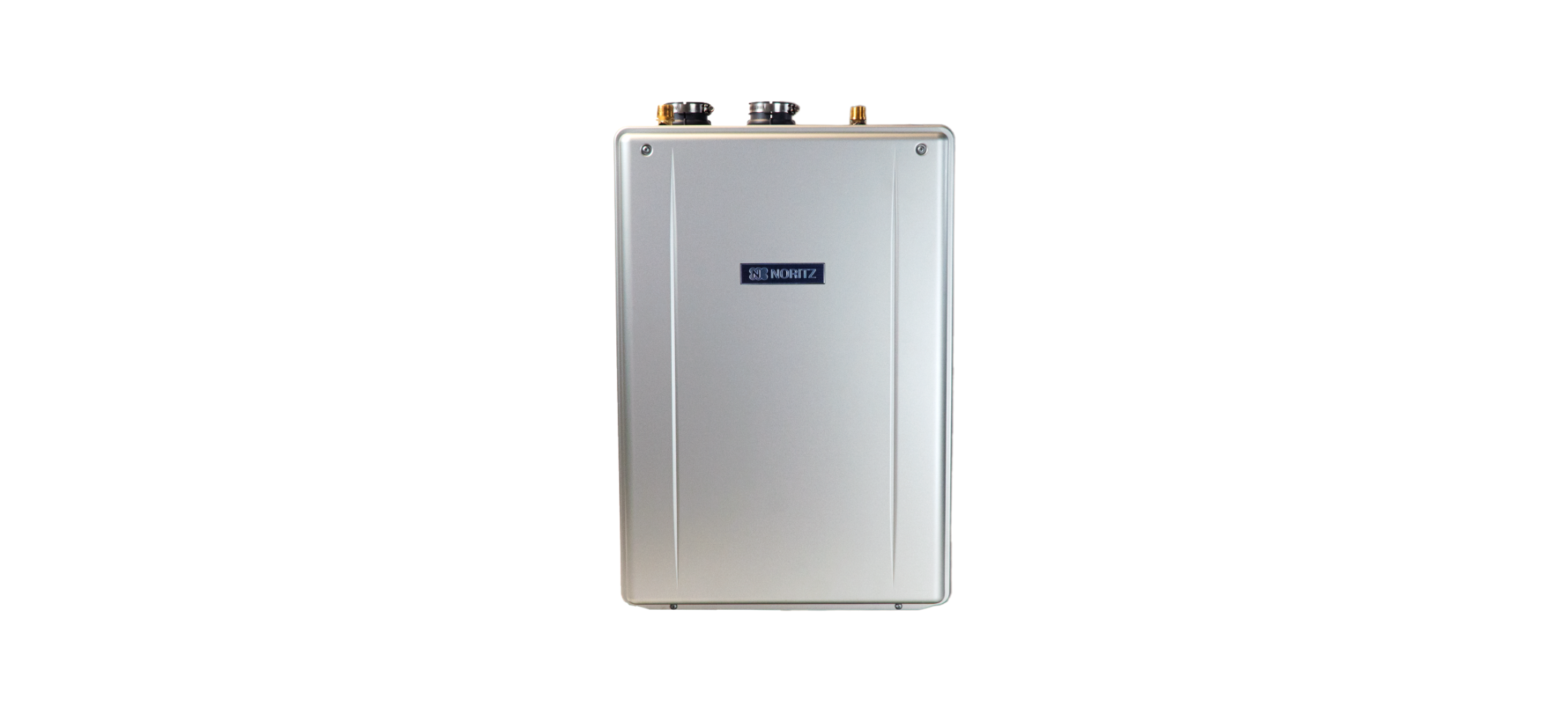
The Noritz EZTR75-NG is a highly efficient tankless water heater, perfect for residential use. It matches the output of a 75-gallon tank while delivering a continuous hot water supply with a 0.96 UEF efficiency rating.
Designed to reduce installation costs, it simplifies replacing traditional tank heaters with top-mount water connections and an attached power cord for easy setup. The included N-Flex Kit allows seamless connection to existing B-vent systems, saving time and labor during installation.
For maintenance, descaling is essential. While some units include built-in isolation valves, you can purchase a universal option like the Red White 3/4 Lead Free Brass Tankless Isolation Kit, or choose a branded kit if preferred.
Why a Recirculation System Matters
A traditional water heater constantly uses energy to keep a tank warm, resulting in significant standby heat loss. If your unit is 70% efficient, you’re losing 30 cents for every energy dollar spent. Tankless water heaters eliminate this waste by heating water only when needed. Adding a hot water recirculation pump, either integrated or external, ensures you get near-instant hot water while maximizing energy and water savings.
Understanding Your Venting Options
Venting is a key consideration for tankless water heater installation. Condensing models like the Rinnai RX Series can be vented with affordable PVC piping, while the Rinnai RE Series is a reliable choice for situations where PVC isn’t possible. Compare condensing vs non-condensing tankless water heater options to determine the best fit for your home and budget.
Is a Tankless Water Heater Right for You?
Switching from a tank water heater to a tankless water heater is a smart home upgrade that brings efficiency, savings, and everyday convenience. While the overall tankless water heater cost—including installation—can be higher upfront, the long-term payoff is real. By choosing the best tankless water heater for your needs and considering options like a recirculating pump or professional installation, you can enjoy higher performance and maximum value for years to come.