When severe winter weather hits (ice storms, blizzards, polar vortex events, or sudden “snowpocalypse” freezes) frozen pipes are often one of the first and most costly problems homeowners and building managers face. Rapid temperature drops, prolonged cold, and power outages can freeze water lines in hours, sometimes before anyone realizes there’s an issue.
Frozen pipes aren’t just inconvenient. As ice forms inside a pipe, it expands, creating pressure that can crack or burst the line. This guide explains how extreme winter storms damage pipes, how to reduce your risk, and the safest ways to thaw frozen pipes when cold weather strikes.
How Winter Storms Damage Pipes
Severe winter storms create conditions that put plumbing systems under extreme stress. Common storm-related factors that lead to frozen or damaged pipes include:
- Rapid temperature swings that freeze pipes quickly
- Extended periods below freezing, increasing internal pressure
- Power outages that shut down heating systems
- Ice and snow buildup that exposes or stresses exterior piping
- Drafts and wind that drive cold air into wall cavities and crawl spaces
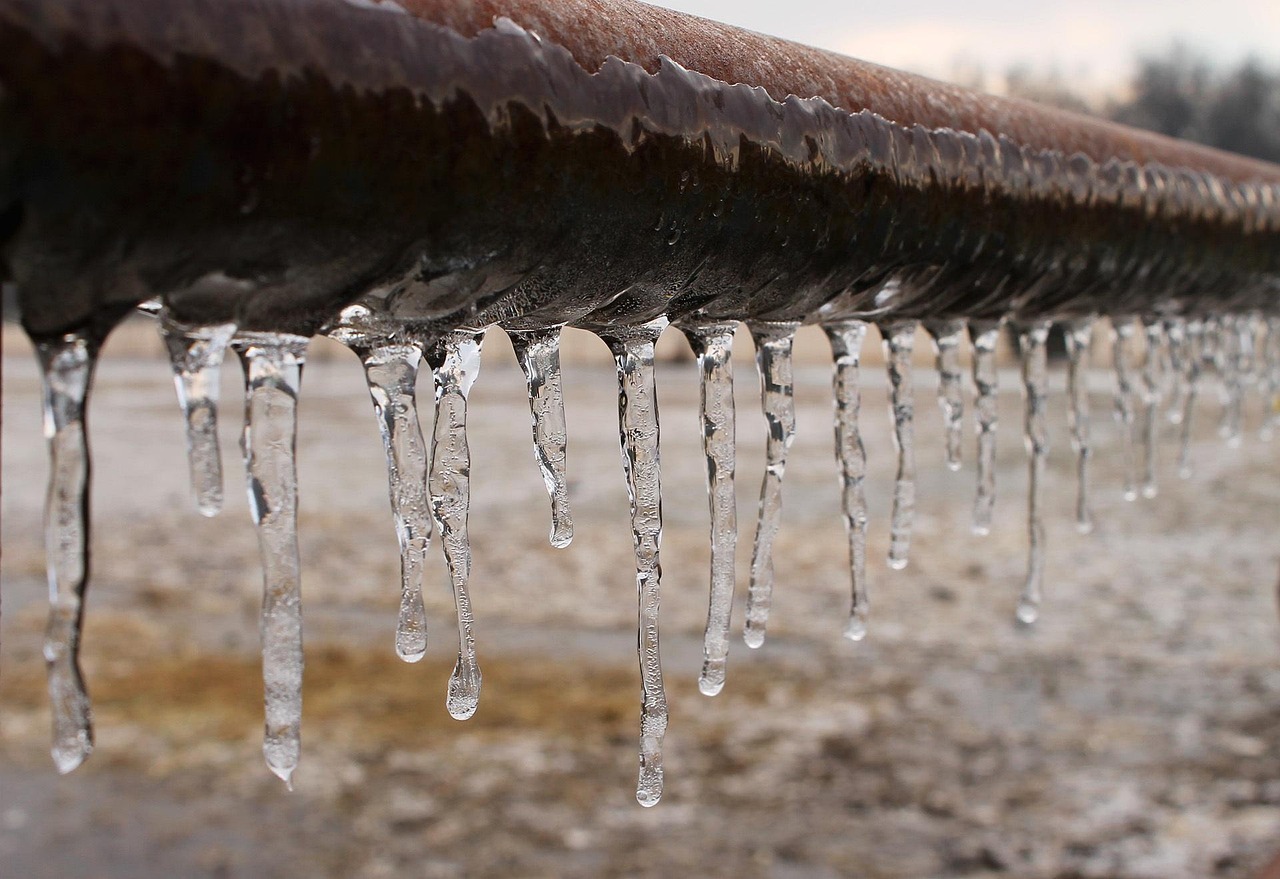
Water freezes at 32°F (0°C), but pipes can begin freezing slightly above that temperature if they’re exposed, uninsulated, or holding stagnant water. Pipes located in exterior walls, garages, crawl spaces, unheated basements, and outdoor lines are especially vulnerable during major winter weather events.
How to Prevent Frozen Pipes
While no solution is foolproof during extreme cold, preparation can significantly reduce the risk of frozen pipes, especially before or during major winter storms. To help prevent freezing:
- Insulate exposed pipes in basements, crawl spaces, and attics
- Seal gaps and cracks that allow cold air to reach plumbing lines
- Install frost-free hose bibs to protect outdoor faucets
- Let faucets drip slightly during freezing temperatures to keep water moving
- Open cabinet doors to allow warm air to circulate around pipes
- Locate your main water shutoff valve so it can be accessed quickly in an emergency
Safe Ways to Thaw Frozen Pipes
When pipes freeze after a winter storm, thawing them safely is just as important as thawing them quickly. DIY methods like space heaters, hair dryers, or heat tape may work in mild situations, but they are often slow and difficult to control during severe freezes. Open-flame methods, such as torches, can damage pipes and create serious fire hazards.
Recommended Pipe Thawing Equipment
Professional electric pipe thawing machines use controlled electrical current to generate even heat within the pipe itself, melting ice efficiently without exposing pipes to extreme temperatures or open flames. This controlled approach reduces stress on the pipe and lowers the risk of cracks or bursts during thawing, especially after prolonged cold or power outages.
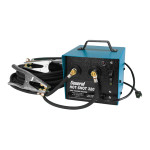
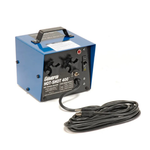
Among the most trusted options are General Wire Hot Shot pipe thawers, which are commonly used by plumbers and contractors responding to winter freeze emergencies. Built for reliability and controlled performance, these machines are designed to handle residential and commercial thawing safely and efficiently.
General Wire Hot Shot 320
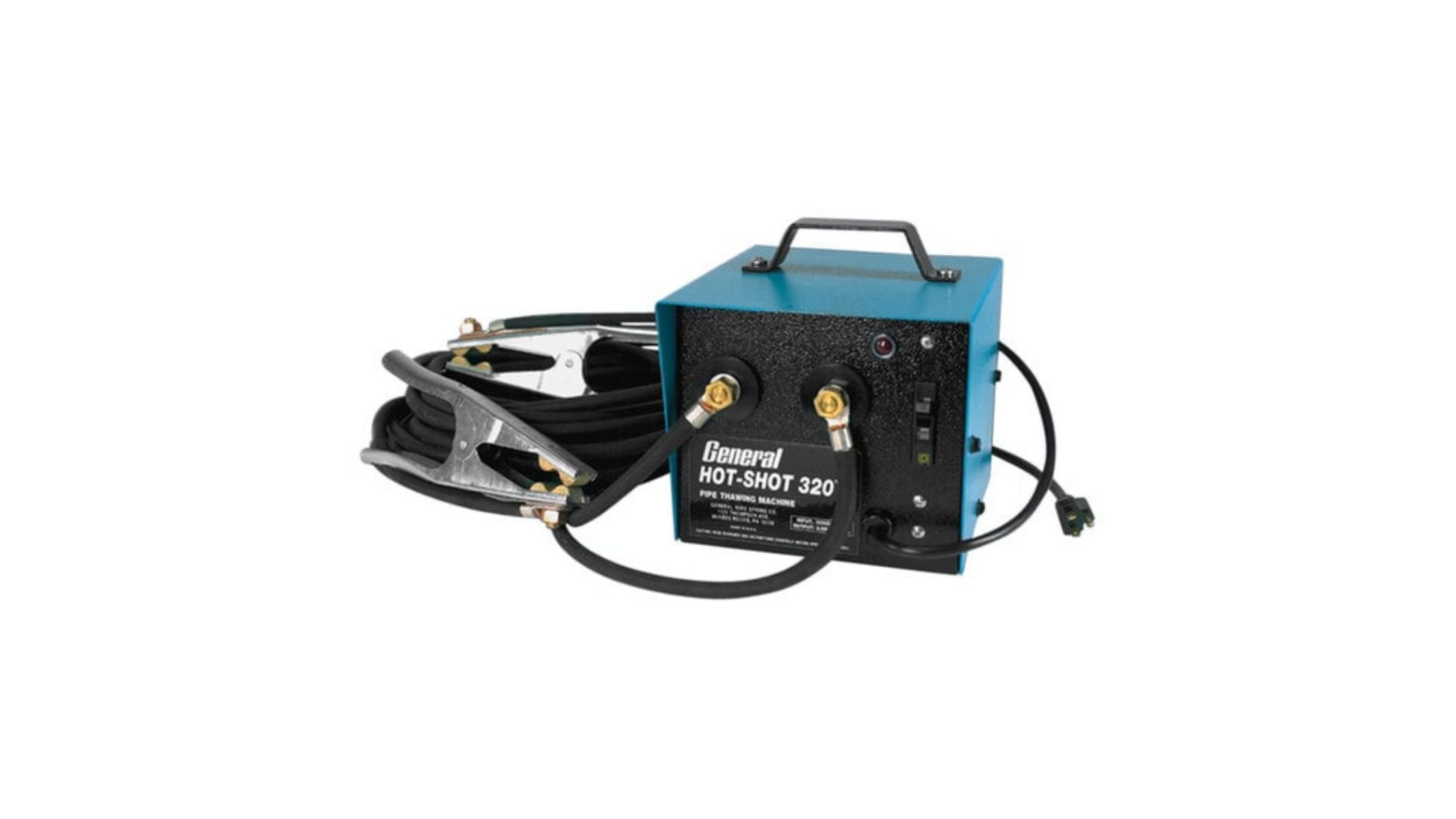
The Hot Shot 320 delivers 320 amps of controlled power, making it ideal for thawing small to medium-diameter pipes commonly found in homes and light commercial buildings. Its compact design allows for easy transport and setup.
Key advantages include fast, even thawing without excessive pipe stress, portability for tight or indoor spaces, and versatility for sinks, water heaters, and typical residential plumbing systems. Each unit includes two 20-foot cables with clamps, allowing for immediate use in emergency situations.
General Wire Hot Shot 400
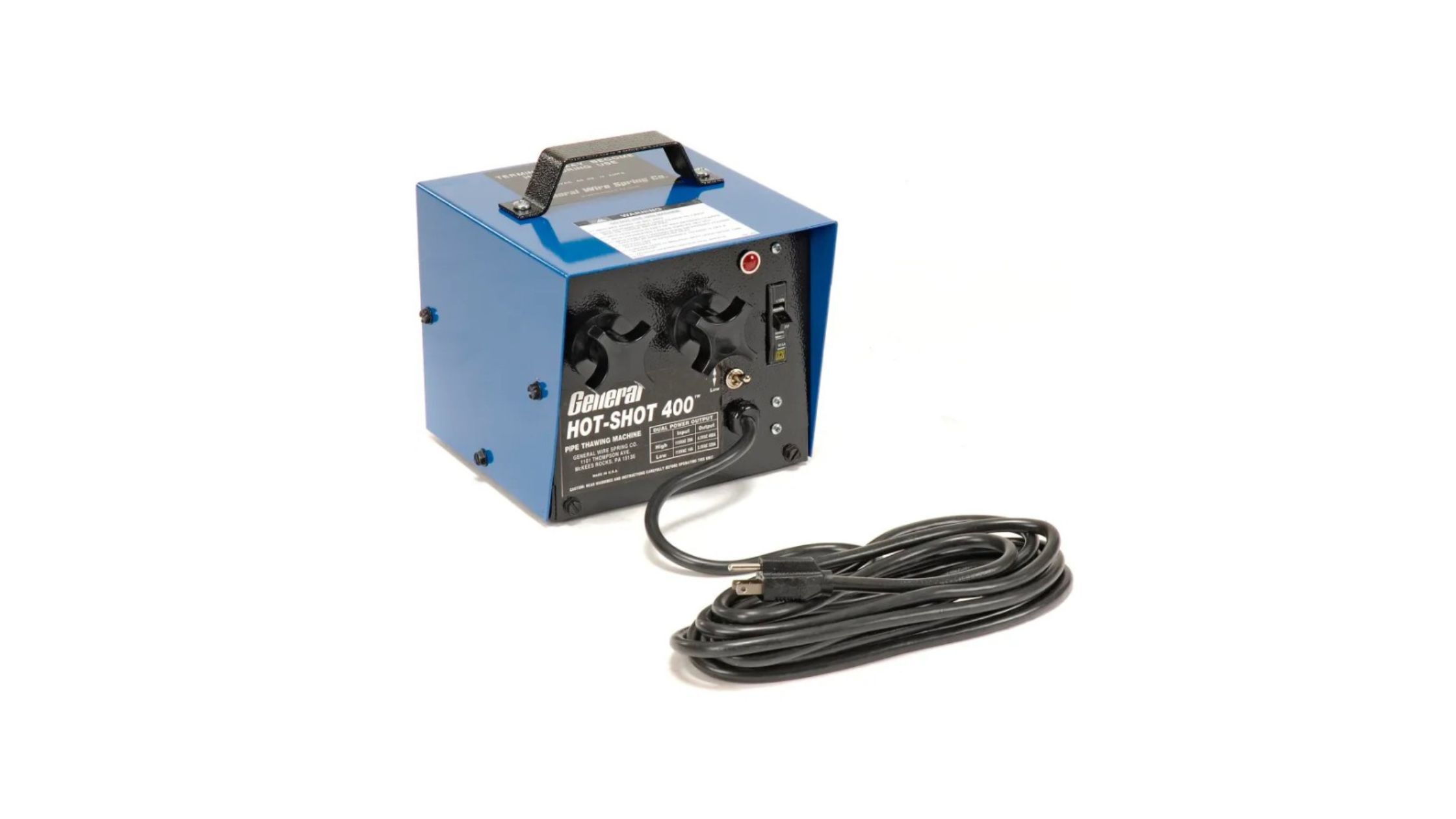
The Hot Shot 400 provides 400 amps of high output and is built for larger pipe diameters, commercial systems, and frequent winter service calls. During severe storms that freeze main lines or multi-unit buildings, higher output and durability can make a significant difference.
Designed for continuous operation, the Hot Shot 400 delivers powerful, controlled thawing without overheating. Its heavy-duty construction supports repeated use in demanding conditions, helping plumbers restore water service faster while reducing the risk of pipe failure.
Frozen Pipe FAQs
At what temperature do pipes freeze?
Pipes typically freeze at 32°F, but exposed or poorly insulated pipes may freeze at higher temperatures, especially during wind-driven storms.
At what temperature do frozen pipes thaw?
Pipes begin thawing once temperatures rise above freezing (32°F), but thaw time depends on pipe material, location, and heat exposure.
How can you tell if a pipe is frozen?
Signs include reduced or no water flow, frost on exposed pipes, or unusual odors from drains or faucets.
Will heat tape thaw frozen pipes?
Heat tape may help with prevention or lightly frozen pipes, but it is often slow and ineffective during severe freezes.
Will frozen pipes thaw on their own?
Some pipes may thaw naturally as temperatures rise, but damage often occurs before thawing is complete, making proactive thawing safer.
Be Ready for the Next Freeze
Severe winter storms can freeze and damage pipes quickly, especially during prolonged cold, power outages, or sudden temperature drops. Understanding how winter weather affects plumbing systems, taking preventative steps, and knowing how to thaw frozen pipes safely can help prevent costly damage.
For plumbers and contractors to DIY homeowners, General Wire pipe thawers provide a professional, efficient solution for restoring water flow during winter freeze-ups. Check out the General Wire Hot Shot 320 and 400 to ensure your pipes stay safe this winter.