
If your basement is threatened by flooding and water damage, a quality sump pump is the best defense for keeping everything dry and unharmed. Whether you're a contractor or a homeowner, this guide breaks down the essentials. You'll learn what a sump pump does, how to pick one that won't let you down, and what it takes to keep the system running right.
What Is a Sump Pump and How Does It Work?
A sump pump helps protect basements and crawl spaces from flooding by moving water away from your foundation.
Key Components
- Sump Pit/Basin: Collects excess groundwater at the lowest point of your basement.
- The Pump: Detects rising water and pumps it out.
- Discharge Pipe: Channels water far away from your property.
Why is a sump pump essential?
It automatically prevents water from seeping through your foundation walls, stopping mold, structural damage, and expensive repairs before they start.
The Mechanics: How a Sump Pump Activates
- Activation: A float switch or pressure sensor monitors water level. When it gets high enough, the pump turns on.
- Water Removal: The pump's impeller spins, pushing water up and out through the discharge pipe.
- Backflow Prevention: The check valve stops water from returning to the pit.
Pro Tip: Test the float switch by pouring a bucket of water into the pit every few months.
Choosing the Right Sump Pump: Types and Features
Selecting the right sump pump means weighing your water table, pit size, and budget. At Plumbing Deals, you'll find trusted brands like Zoeller, Liberty, Guardian, Shellback, and Little Giant—ensuring reliable protection for every application.
Need extra support? Visit our Pumps 101: Factors to Consider When Purchasing a Sump Pump blog for must-have features, sizing tips, and smart buying advice.
Primary Sump Pumps: Submersible vs. Pedestal
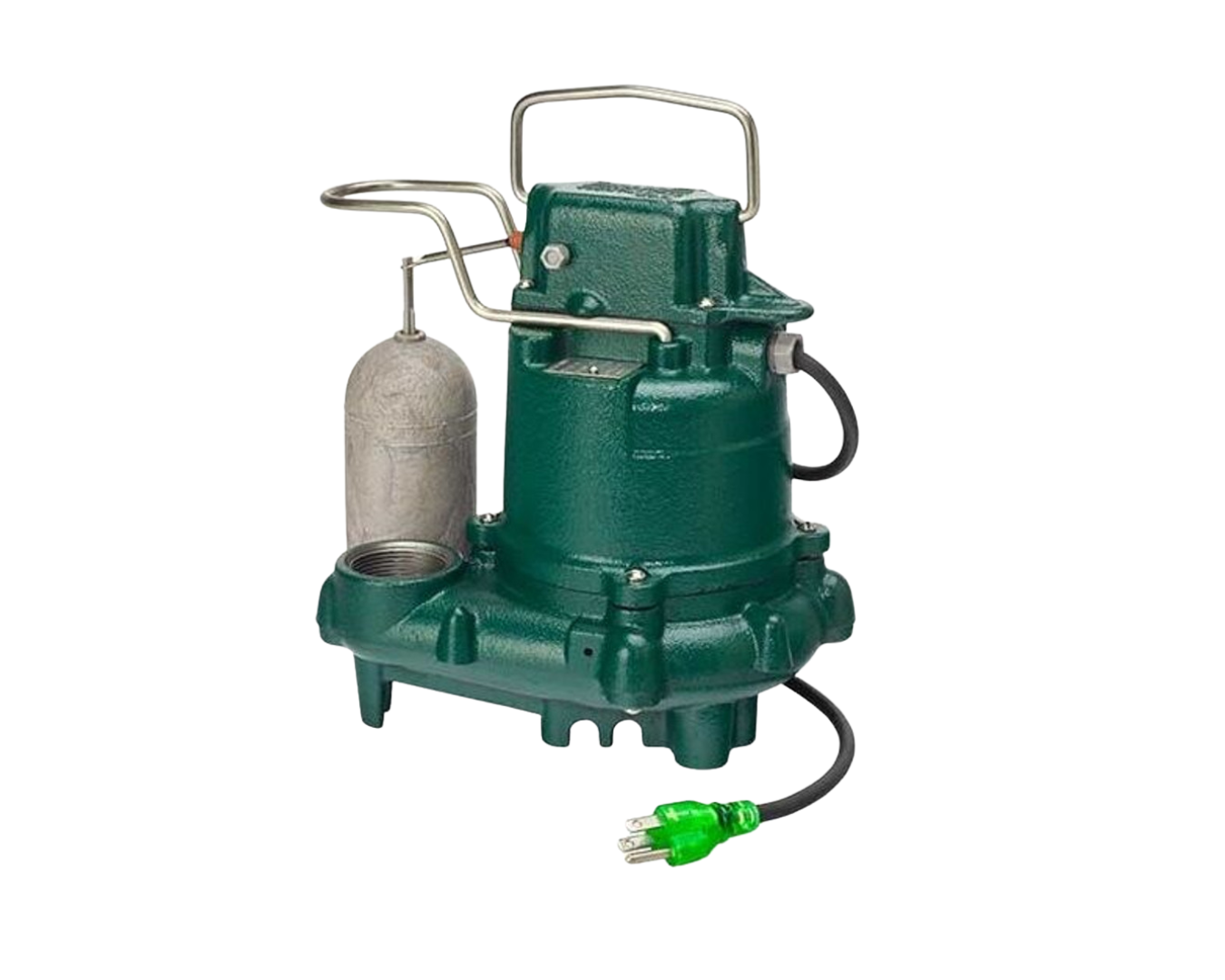
Submersible Sump Pumps
- Sits underwater in the pit—out of sight, out of mind
- Quiet performance
- Designed for frequent or heavy water flow
- All-in-one durability for finished basements
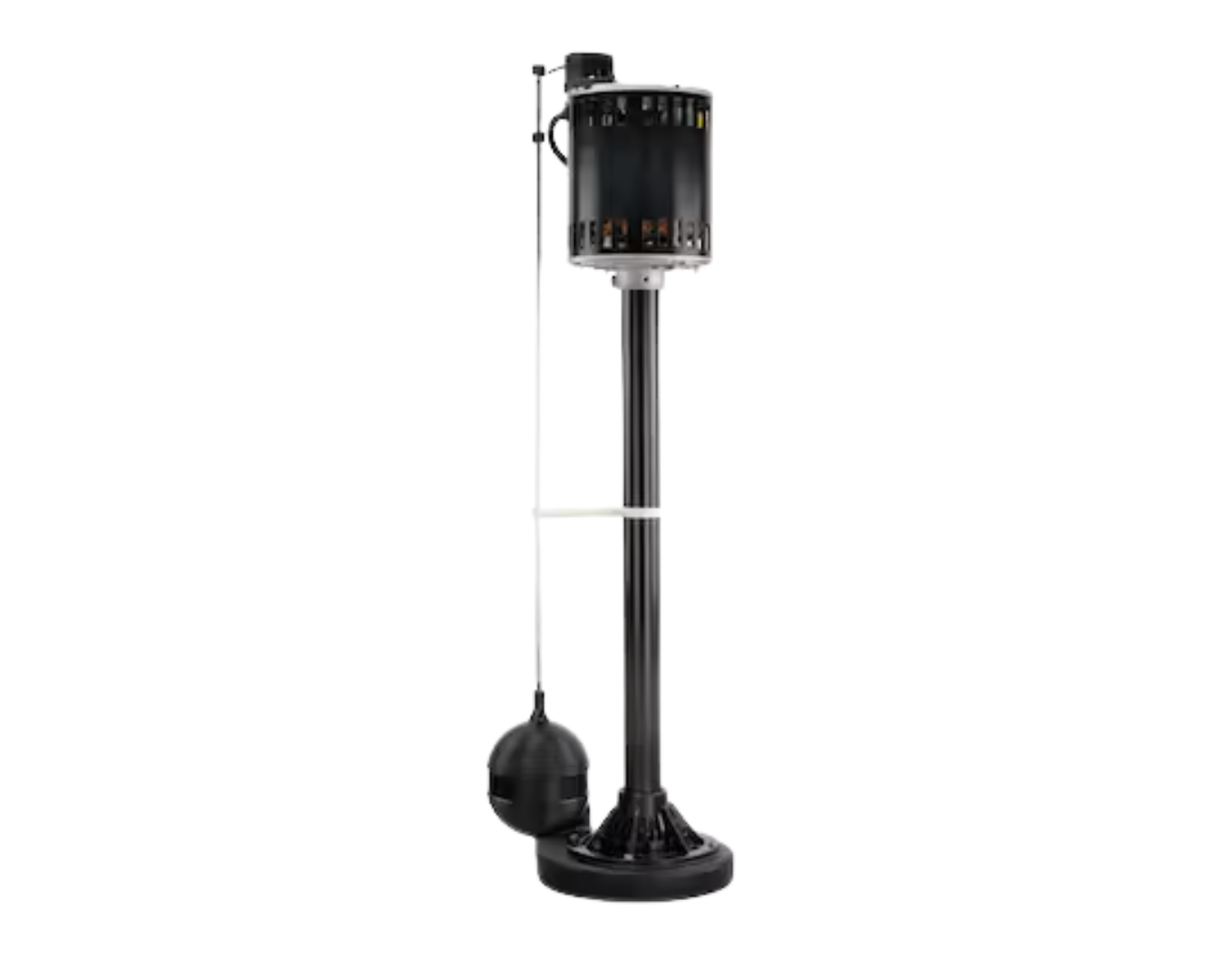
Pedestal Sump Pumps
- Motor mounted above the pit for easy servicing
- More noticeable noise during operation
- Often has a longer lifespan and lower upfront cost
- Well-suited for unfinished basements or compact pits
Backup Sump Pumps: Choosing the Right System for Ultimate Protection
A reliable backup sump pump is your essential safeguard against basement flooding—even the best primary sump pumps can fail due to power outages, mechanical issues, or overwhelming water inflow. Selecting the right backup system delivers peace of mind for every homeowner, property manager, or contractor focused on year-round flood prevention.
Why Backup Sump Pumps Are Essential
- Step in automatically when your main pump can't keep up or loses power
- Essential for properties in areas with frequent storms, unreliable utility service, or high water tables
- Protects valuable inventory, assets, and renovation investments
- Recommended for both residential and commercial sump pump installations
Types of Backup Sump Pump Systems
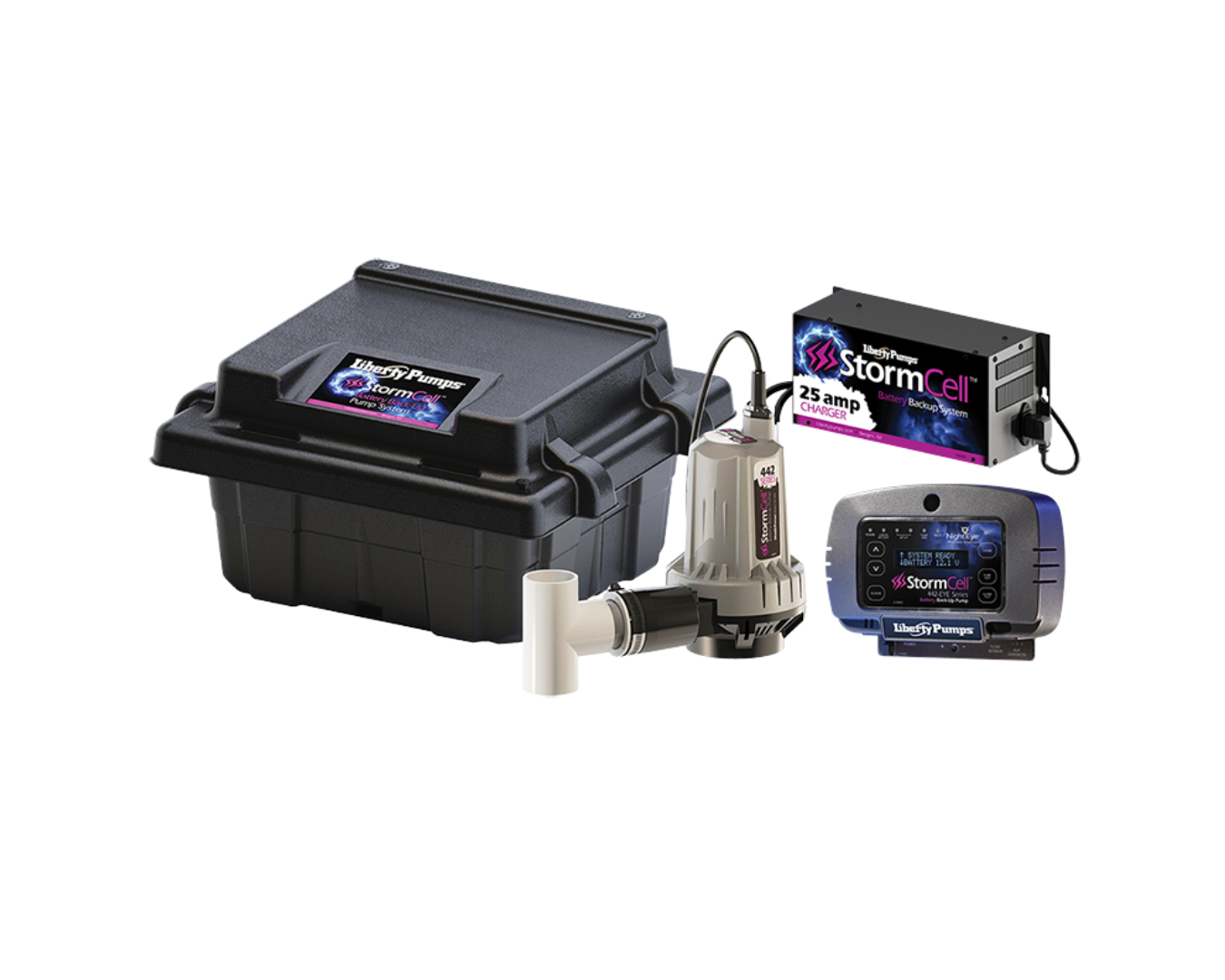
Battery Backup Sump Pumps
- Operate on a heavy-duty battery when electricity is lost
- Automatically activate if the primary pump fails or the power goes out
- Combo units (like Zoeller Aquanot) include both primary and battery backup for seamless defense
- Perfect for homeowners and property managers wanting set-it-and-forget-it protection
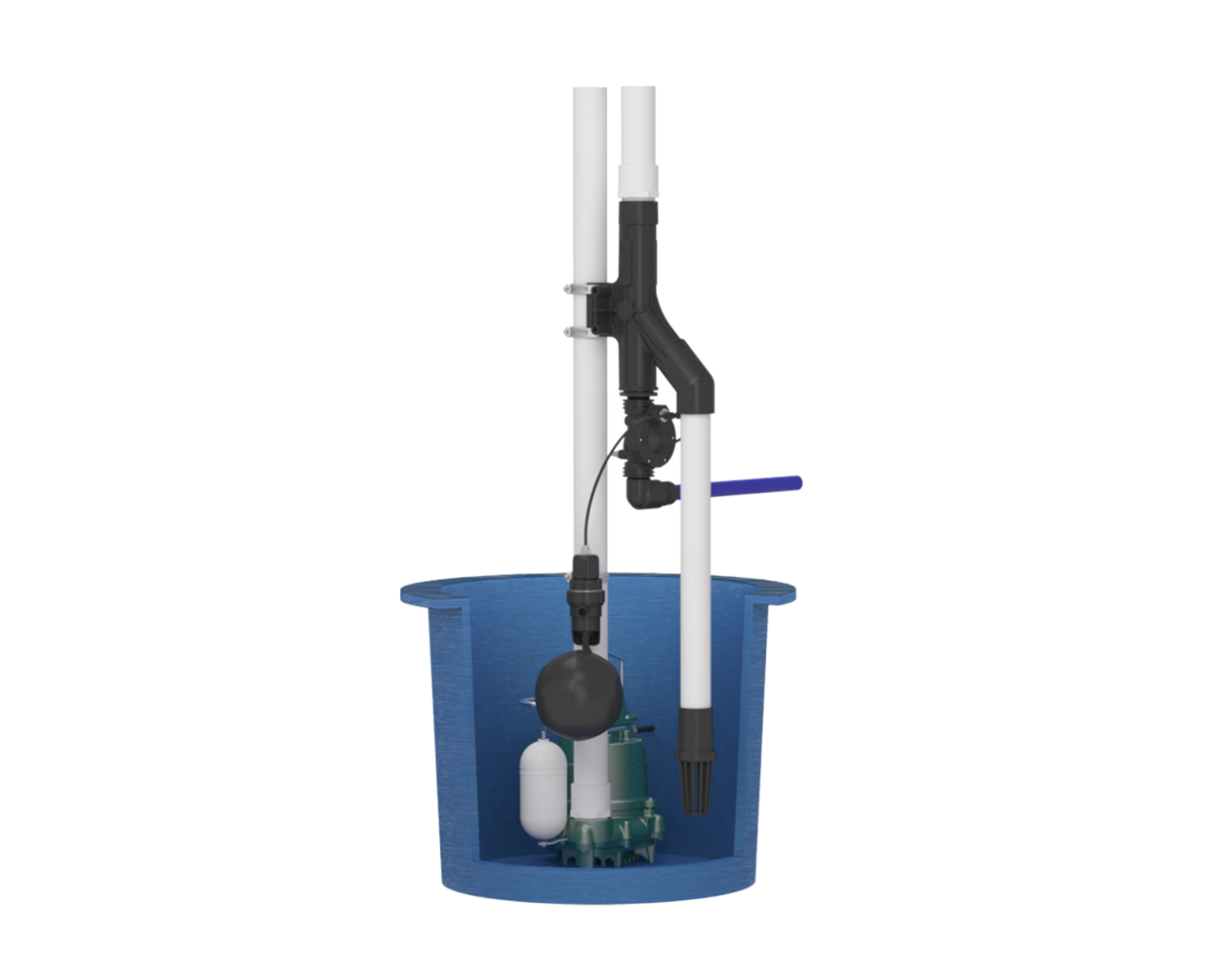
Water-Powered Backup Sump Pumps
- Use municipal water pressure to create a vacuum that removes water, no batteries or electricity needed
- Highly reliable during prolonged power outages and require minimal maintenance
- Guardian and Liberty water-powered backups are a strong choice for facilities or homes with consistent city water supply
Factors to Consider When Choosing a Backup Sump Pump
- Compatibility with your existing primary pump setup
- Flow rate capacity—ensure the system can handle peak water levels
- Alarm or notification features—choose systems that alert you to pump activation or issues
- Maintenance requirements—battery backups need occasional battery replacement, while water-powered units tend to have fewer moving parts
- Installation location and size constraints—some backup systems require more space or a specific pit size
For a detailed look at features and smart buying considerations, explore our Battery Backup Sump Pump Buying Guide and the Pumps 101: Factors to Consider blog.
Pro Tip: For total peace of mind, always pair your primary sump pump with a backup solution—especially for finished basements, commercial sites, or high-risk properties. Project discounts and reliable, free shipping from Plumbing Deals make it easy to protect every project, big or small.
Key Specifications to Consider
Horsepower (HP)
- Too little horsepower and a sump pump won't effectively move water out. Too much horsepower and the pump can cycle too quickly, leading to unnecessary wear and tear.
- Typical residential jobs: 1/3 HP (1/4 HP in some cases)
- Larger homes, deep basements, or properties with high water tables: 3/4 HP
- Commercial applications: 1/2 HP or more
Flow Rate (GPM)
- Gallons Per Minute measures how much water the pump removes per minute
- Match the GPM to your basement size and typical water risk
Total Dynamic Head (TDH)
- TDH represents the total height and resistance the pump must overcome, which includes the vertical lift and friction in the pipes
- Correct TDH calculation ensures you pick the right pump and discharge pipe for optimal performance
Proper Pipe Sizing & The Pump Curve
- A pump curve graph shows how flow rate changes with different discharge heights and pipe sizes to determine which size sump pump you need
- Look for a pump that delivers your required GPM at your exact TDH on the pump curve
- Pipe that's too small restricts flow and reduces performance; pipe that's too large can reduce needed pressure
- For more specific sizing tips and information on using a pump curve, visit our simple pump sizing blog.
Construction Material
- Cast iron (like Zoeller): Longest-lasting, best for heavy use
- Stainless steel or thermoplastic: Durable, budget-friendly options
Switch Type
- Tethered float switches: Great for wider basins
- Vertical float switches: Best for compact or narrow pits
Sump Pump Installation and Maintenance
Proper installation and maintenance are key to keeping your sump pump performing at its best—helping you avoid water damage and costly repairs. For broader protection tips, explore our in-depth article: How to Prep Your House for Flood Prevention: A Plumbing-Based Guide for additional plumbing-based strategies to safeguard your property.
Proper Sump Pump Installation Practices
How to Install a Sump Pump—Overview:
- Unplug and remove the old pump
- Set the new pump in the pit and ensure the float switch moves freely
- Attach PVC discharge pipe and a new check valve
- Drill a weep hole (prevents air lock)
- Plug in and test with water
Want step-by-step video instructions?
How to Install a Sump Pump | Part 1
How to Install a Sump Pump | Part 2
Pro Tip: Discharge pipes should extend 10-20 feet from your foundation on a downward slope.
Keep your sump pump running smoothly:
Quarterly:
- Test by adding water to the pit
- Check for water flow outside
- Clean the float switch
Annually:
- Remove and clean the pump and the pit
- Inspect the check valve
- Test your backup battery system
Set a recurring reminder for maintenance!
FAQs
How long do sump pumps last?
7–10 years with regular care
Why is my sump pump running constantly?
Stuck float switch, high water table, undersized pump, or broken check valve
Should I have a backup sump pump?
Absolutely! Battery and water-powered backups provide essential coverage
What size sump pump do I need?
1/3 HP or 1/2 HP fits most basements—consider your square footage and water risk
Why does my house have a sump pump?
To prevent flooding and water damage
When do I need to replace my sump pump?
After 10 years at most
How often should I test my sump pump?
Twice a year—before snow melts in early spring and heavy storms in spring/summer
Should I replace my check valve when I replace my sump pump?
Yes, it can lead to damage if not replaced
What can I do to prevent debris and dirt in my sump pit from affecting my sump pump?
Use a sealed pit cover, a basin liner, an intake screen, and do regular cleanouts
Protect Your Investment with a Reliable Sump Pump
A dependable sump pump system protects your home or business from costly water damage. With trusted brands like Zoeller, Liberty, Guardian, Shellback, and Little Giant at Plumbing Deals, you'll find the ideal solution for every project.
Don't wait for a flood to test your luck.
Shop our range of submersible, pedestal, and backup sump pumps today. If you're looking for project pricing, give us a call!