
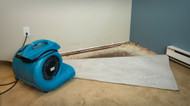
Spring weather creates the perfect conditions for basement flooding. Snowmelt saturates the soil, heavy showers overwhelm municipal storm systems, and water finds the path of least resistance. That small crack in the foundation, the clogged floor drain, or the sump pump you haven’t checked since last year can turn a heavy rain into a basement disaster.
A few simple inspections now can prevent hours of cleanup, expensive repairs, and stress later. With the right spring plumbing maintenance, you can stay ahead of flooding, protect your belongings, and make sure your basement is ready for whatever weather comes next.
Pro Tip: Use FEMA’s Flood Map Service Center to easily check whether your property is at high risk for spring storms.
Spring Plumbing Maintenance Tips
Spring sump pump maintenance
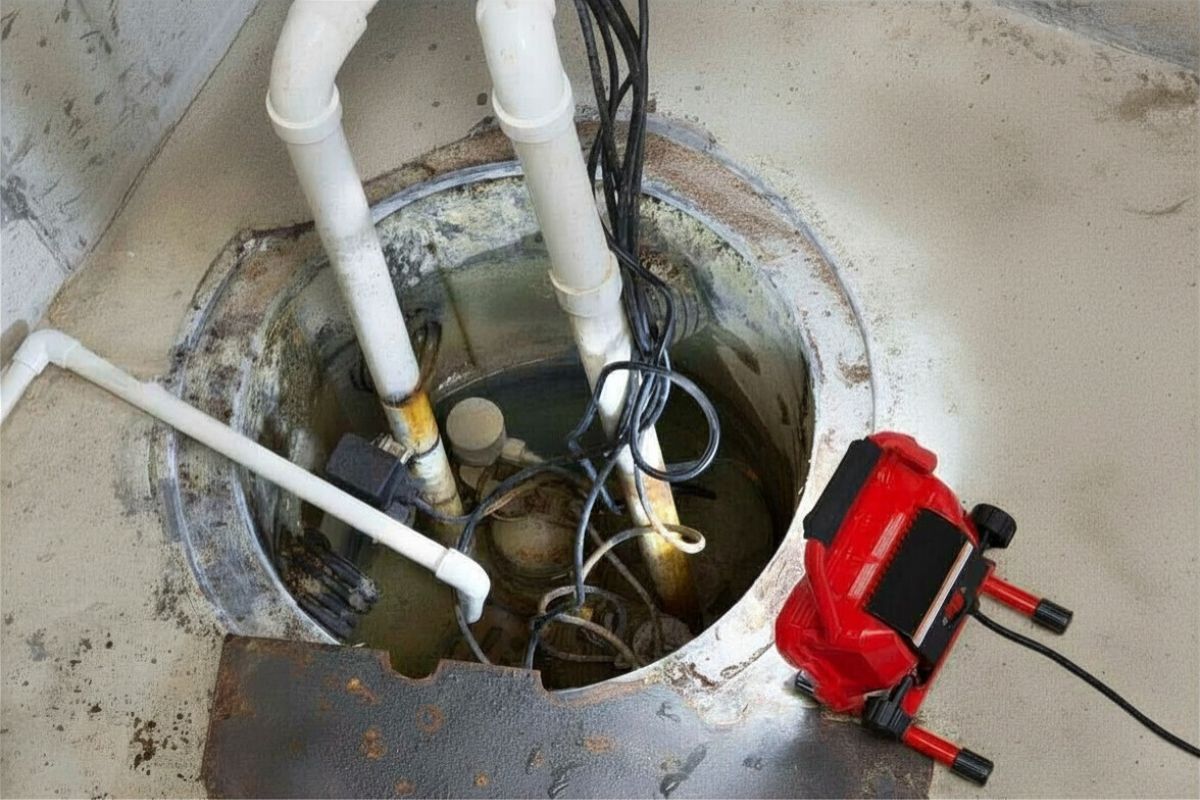
Your sump pump is the frontline defense against groundwater flooding. If it fails during a storm, water can accumulate quickly, ruining floors, furniture, and stored items. Be sure to test it regularly with the following steps:
- Pour a bucket of water into the sump pit to ensure the float switch triggers the pump
- Check that the discharge pipe is clear and directs water far from the foundation
- Remove sediment and debris from the pit
- Confirm the pump is plugged into a working outlet
- Inspect the check valve to prevent backflow
A battery backup sump pump is highly recommended. Storms often cause power outages exactly when your pump is needed most.
For a more thorough breakdown of sump pump types, maintenance, and installation, read our Ultimate Guide to Sump Pumps!
Check Your Foundation for Cracks and Water Entry
Even small cracks allow water to seep in during heavy spring rains. Look for hairline cracks in walls or mortar, damp or discolored spots, white mineral deposits (efflorescence), and water stains around window wells or corners.
Small cracks can often be sealed with hydraulic cement or epoxy. Larger structural issues should be evaluated by a foundation professional. Addressing these early can save thousands in repairs.
Pro-Tip: Locate your main water shut-off valve, ensure it works smoothly, and teach everyone in your household how to operate it.
Clean and Inspect Floor Drains
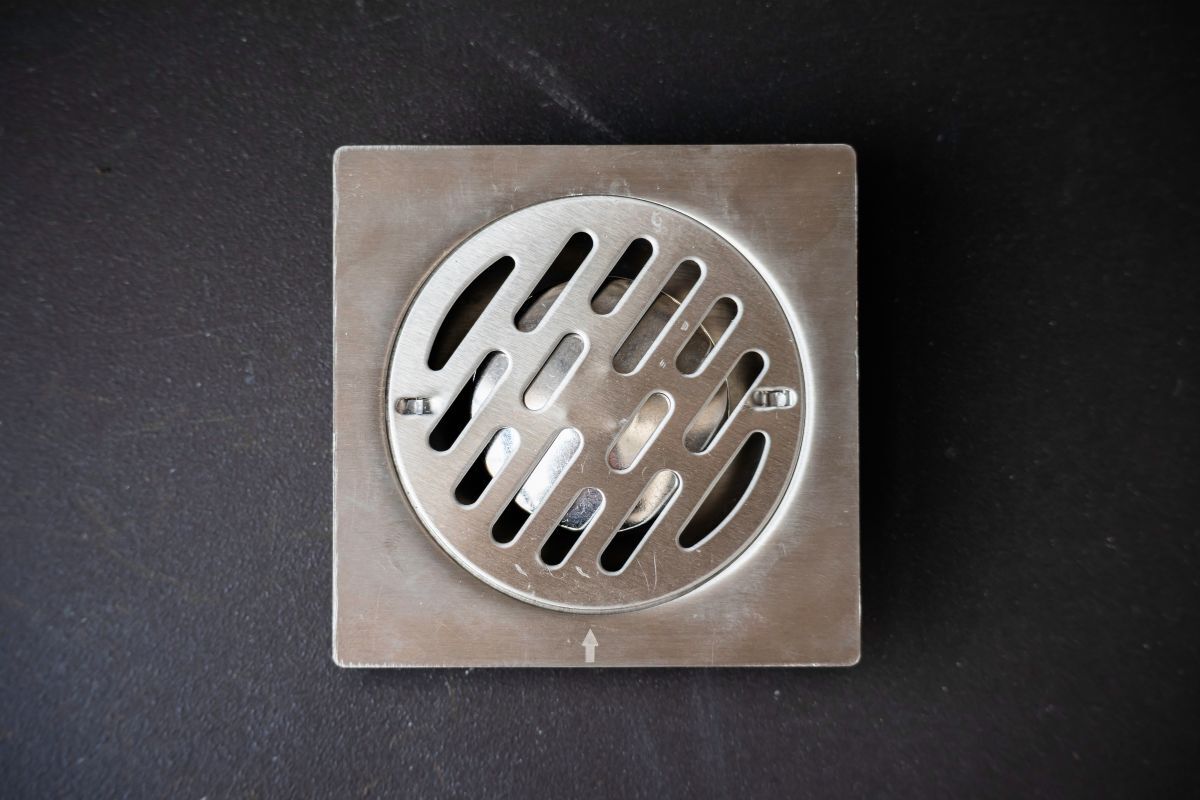
Floor drains are your safety net when water enters the basement. A clogged or neglected drain can turn a minor leak into a major flood.
Quick steps for spring floor drain care:
- Remove the cover and clear debris
- Flush with hot water
- Use an enzyme-based cleaner to remove buildup
- Ensure water flows freely through the pipe
Keeping drains clean helps prevent water damage in basement areas if leaks or floods occur.
Post-Winter, Spring Maintenance Checklist for Basement Flood Prevention
Spring is the perfect time to take a proactive approach and safeguard your basement. Use this quick checklist to tackle the most important tasks efficiently and prevent water damage before it starts.
Test your sump pump: Pour water in the pit, check that the float switch activates, and inspect the discharge. A battery backup adds extra peace of mind.
Clear floor drains: Remove debris, flush with hot water, and make sure water flows freely to avoid backups.
Inspect plumbing for leaks: Watch for drips, corrosion, or low water pressure. Adding a smart leak detector can help catch problems early.
Check heating systems: Inspect boilers, pipes, and valves after winter, and clean any buildup to prevent leaks or corrosion.
Install Backwater Valve: Sewer backups can flood basements during heavy rainfall. A backwater valve in your main sewer line allows wastewater to flow out but prevents sewage from flowing back in. This is especially important in older neighborhoods with combined storm and sanitary sewer systems.
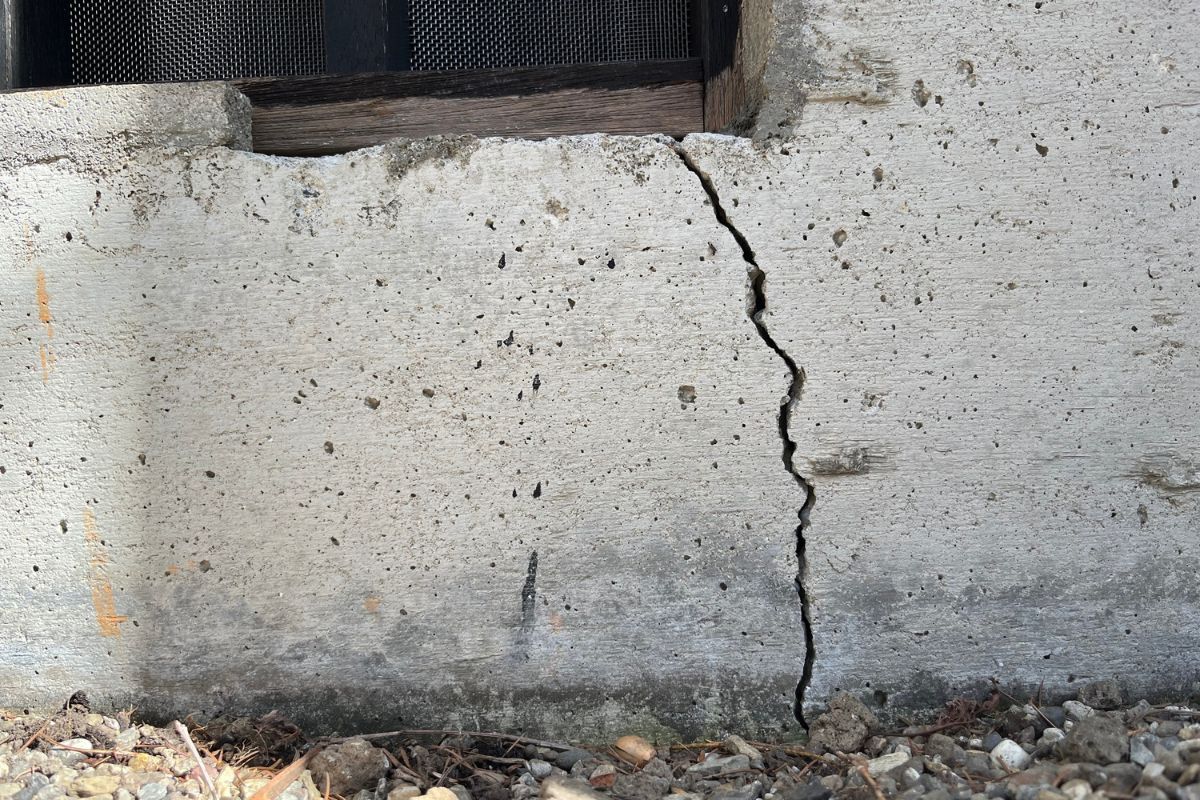
Inspect foundation and walls: Look for cracks, damp spots, or mineral deposits. Seal small cracks yourself, and call a professional for larger issues.
Clean and Maintain Gutters: Clogged gutters overflow, dumping water directly at your foundation. Clear leaves and debris, repair leaks, and check for sagging sections.
Extend Downspouts: Downspouts should discharge water at least 4–6 feet away from the house. Flexible extensions, buried piping, or splash blocks can help direct water safely into the yard.
Install Window Well Covers: Basement window wells often collect rainwater. Clear covers prevent overflow while still allowing natural light. This simple step significantly reduces basement flood risk.
French Drains and Rain Gardens: For homes with persistent drainage issues, consider installing a French drain or rain garden. These systems capture and redirect excess water before it reaches your foundation, providing an extra layer of basement flooding prevention.
Adjust Yard Grading: Soil naturally settles over time, and landscaping changes can create low spots that trap water. Ensure the ground slopes away from your foundation to guide rainwater outward.
Even a few simple checks now can save thousands in repairs later and give you confidence that your basement is ready for spring storms.
Stay Ahead of Basement Flooding This Spring
Spring storms, melting snow, and saturated soil can put any basement at risk of flooding. By taking proactive steps such as testing sump pumps, clearing drains, sealing foundation cracks, and installing protective devices, you can stay ahead of water damage and protect your home from costly repairs.
Spending a little time on these maintenance tasks now can save money, reduce stress, and give you peace of mind throughout the season. For professional-grade pumps, valves, and drainage solutions, explore Plumbing Deals’ full selection of reliable plumbing products designed to keep your basement safe and dry.