If you care about keeping your water safe, understanding your options for backflow preventers is a must. Not all backflow prevention devices are created equal! Whether you’re setting up a home sprinkler system or outfitting a big commercial building, knowing the difference between a Reduced Pressure Zone (RPZ) backflow preventer and a Pressure Vacuum Breaker (PVB) can save you time, money, and worry. Let’s break down what you need to know about these crucial plumbing system components, how they work, and when to choose each one.
What Is a Backflow Preventer, and Why Does It Matter?
A backflow preventer is a device that stops water from flowing backward and contaminating your clean drinking water. Backflow can happen in two main ways—backpressure (when water pressure downstream gets higher than upstream) or backsiphonage (if the main supply pressure suddenly drops). Depending on your system and local regulations, you’ll need the right backflow preventer to match the hazard level of your plumbing.
RPZ vs. PVB Backflow Preventers: The Essentials
So, what’s the real difference between an RPZ and a PVB backflow preventer? The answer comes down to the level of protection and the type of hazard your system faces.
To give you a clear side-by-side look at the key features, benefits, and typical uses for each device, here’s a handy comparison table:
|
Feature |
RPZ (Reduced Pressure Zone) |
PVB (Pressure Vacuum Breaker) |
|---|---|---|
|
Functionality |
Provides high-level backflow prevention by using a relief valve between two check valves. Suitable for preventing both backflow due to backpressure and back-siphonage. |
Protects against back-siphonage only and uses an air inlet valve to prevent contaminants from entering the water supply. |
|
Applications |
Ideal for high-risk scenarios, such as potable water systems with potential contamination from toxic substances. Commonly used in medical facilities, industrial plants, and chemical processing. |
Typically used in low to medium-risk applications, such as irrigation systems, sprinkler systems, and outdoor water taps. |
|
Cost |
Higher upfront cost due to more complex design and features. Pricing generally starts around $300–$500, excluding installation. |
More affordable option with simpler construction. Pricing typically starts around $100–$200, excluding installation. |
|
Maintenance |
Requires periodic testing and maintenance due to the complexity of internal components. Testing must be performed by certified professionals. Parts may need routine replacement. |
Lower maintenance requirements. Testing is less frequent and simpler, making it a budget-friendly option for long-term care. |
|
Compliance |
Meets strict compliance standards for high-hazard backflow prevention under ASSE 1013. Required by code in many scenarios involving hazards such as chemicals or sewage. |
Meets compliance standards (e.g., ASSE 1020) for low-hazard backflow prevention. Typically acceptable for irrigation and residential installations. |
A closer look at these differences can help you decide which device best safeguards your water supply and fits your system needs.
When Should You Use an RPZ? Maximum Protection for High Hazards
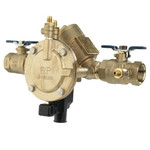
RPZ backflow preventers, like the popular Febco 825Y 3/4" Bronze model, are top-tier when the stakes are high. RPZs are perfect for places where even a small amount of contamination could mean serious health risks—think chemical labs, hospitals, or industrial plants. These devices feature two independently working check valves and a relief valve in the middle. If anything goes wrong, like a pressure drop or a failed check valve, the relief valve instantly opens and dumps water, stopping contaminants in their tracks.
A big plus? RPZ valves work indoors or outdoors, but you need proper drainage because the relief valve may discharge a significant volume of water. They’re usually installed horizontally and come in a range of sizes to fit everything from small businesses to massive facilities. Trusted brands like Watts, and Zurn Wilkins offer plenty of RPZ options for different plumbing system needs.
When Is a PVB the Right Choice? Reliable Protection from Backsiphonage
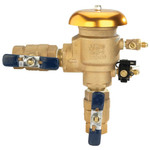
For lower-risk scenarios, a PVB backflow preventer (such as the Febco 765 1" Bronze with Freeze Sensor) is a go-to solution—especially for irrigation, lawn sprinklers, or hose bibs. PVBs use a check valve plus a spring-loaded air inlet. If water pressure drops, the air valve opens fast, letting in air to break the vacuum and prevent contaminated water from being sucked back.
But here’s the key: a PVB only protects against backsiphonage, not backpressure. So, if you’re not dealing with chemicals or high-risk contamination, and you just need to stop water from reversing during a supply pressure drop, a PVB fits the bill. PVBs are typically installed at least 12 inches above the highest downstream outlet, usually outside or in special indoor setups. Brands like Wilkins and Watts make reliable PVB models for residential and light commercial use.
RPZ vs. PVB: What’s the Verdict?
Choosing between an RPZ and a PVB comes down to the risk. Go with an RPZ for high-hazard, high-stakes jobs and a PVB for moderate or low-risk systems, like most residential irrigation setups. Always check your local building code before installing anything. Compliance is as important as safety.
Real-World Examples: Where Each Device Excels
- RPZ in Commercial Buildings: Installing a new commercial laundry system or medical lab? An RPZ like the Febco 825Y is your safest bet—protecting the water supply even if valves fail or pressure drops.
- PVB in Residential Irrigation: Adding sprinklers to your lawn? A PVB such as the Febco 765 keeps your home’s water safe from back-siphonage without the cost of a full RPZ setup.
Dual Check Valve with Atmospheric Vent: Good for Light-Duty Applications
Sometimes local code calls for a dual check valve with an atmospheric vent, like the Watts LF9D-M2. These are perfect for low-hazard jobs, such as refrigerators, coffee machines, or soda dispensers. They’re compact and budget-friendly but don’t protect against backpressure or allow for field testing. Don’t use these where contamination or legal compliance is a real concern.
Bottom line on usage:
- Choose an RPZ when facing health risks or systems that could experience both backpressure and backsiphonage.
- Choose a dual check atmospheric vent only for low-hazard, residential, or appliance use.
Does Valve Size Matter? Absolutely.
Properly sizing your backflow preventer is vital for plumbing system efficiency and safety. Undersized valves create pressure drop and reduce flow, while oversized valves waste money and may not seal correctly. Consult manufacturer flow charts, pressure loss data, and always match sizing to your project’s unique requirements.
- 3/4" RPZ (Febco 825Y): Ideal for small commercial or multifamily installations.
- 1" PVB (Febco 765): Great for higher-flow residential irrigation.
- Other Sizes: Available from 1/2" to 10"+. Always check codes.
Final Thoughts: Protect Health, Ensure Compliance
Picking the right backflow preventer isn’t just another item on your plumbing checklist—it’s a serious decision for safety, compliance, and peace of mind. Whether you’re a homeowner, contractor, or facility manager, use RPZs for serious hazards, PVBs for moderate jobs, and dual check valves for appliances or low-risk uses.
Go with brands like Febco, Watts, and Wilkins to ensure you get the durability, performance, and compliance you need. Ready to upgrade your plumbing system? Make a selection that protects your building and your reputation—install the right backflow preventer today!