
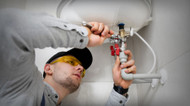
When winter begins to wind down, most homeowners stop thinking about their heating systems. The boiler or combi unit that worked nonstop through the coldest months suddenly becomes an afterthought once temperatures start climbing. That shift in attention is understandable, but spring is actually one of the best times to inspect and maintain your system.
End-of-season maintenance helps catch small problems before they grow into expensive repairs. Boilers and combination units operate under constant heat and pressure all winter long, so checking key components after heavy use can help extend equipment life and keep the system ready for the next heating season.
Why Spring Boiler Maintenance Matters
Boilers and combi units are built for durability, but they still rely on multiple components working together. After months of operation, sediment buildup, pressure fluctuations, and normal wear can affect system performance. Addressing these issues early helps avoid emergency repairs in the middle of next winter.
Spring maintenance also provides an opportunity to prepare domestic hot water systems connected to combi units. Even when space heating demand drops, many combi systems continue providing hot water throughout the year.
Pro Tip: Learn more about boiler types, efficiency, installation, and care in our blog post!
End-of-Season Boiler Maintenance Checklist
Inspect the Boiler Pressure and Temperature

Start with system pressure and temperature because these basics provide valuable insight into overall performance.
Most residential boilers operate within a pressure range of about 12 to 20 PSI when the system is cold. Higher readings may indicate expansion tank issues or a malfunctioning pressure relief valve, while lower pressure can signal a small leak somewhere in the system.
Temperature readings should also remain stable. If the boiler frequently overshoots its set temperature or cycles on and off rapidly, controls or sensors may need attention.
If anything seems outside normal operating ranges, it’s best to investigate before shutting the system down for the season.
Check the Expansion Tank
Expansion tanks help manage the natural expansion that occurs when water heats inside a closed hydronic system. Without a functioning expansion tank, pressure can rise quickly and stress the entire system.
A quick inspection involves checking for visible corrosion, water leakage, or unusual weight that may indicate the tank has become waterlogged.
In diaphragm-style expansion tanks, the internal air chamber absorbs pressure changes. If the air charge drops or the diaphragm fails, pressure spikes may occur during heating cycles.
Replacing a failing expansion tank before next winter can prevent unnecessary strain on valves, pumps, and the boiler itself.
Pro Tip: Learn more about the best expansion tanks to preverse your plumbing in our blog post!
Inspect the Pressure Relief Valve
The pressure relief valve is one of the most important safety components in any boiler system. It’s designed to release water automatically if pressure exceeds safe limits.
During an end-of-season inspection, check the valve for signs of leaking, mineral buildup, or corrosion. Even small drips from the discharge pipe can signal that the valve has opened repeatedly or is no longer sealing properly.
Relief valves should never be ignored. If there are signs of failure, replacement is usually recommended rather than attempting repairs.
Look for Leaks Around Pumps, Valves, and Fittings
Small leaks often develop slowly and may go unnoticed during the heating season. Over time, even minor water loss can lead to corrosion, mineral buildup, and reduced system efficiency.
Check around these common leak points:
- Circulator pumps
- Isolation valves
- Air separators
- Pressure gauges
- Threaded pipe fittings
- Zone valves and actuator connections
Pay attention to mineral residue or staining around fittings because these marks often indicate slow leaks that evaporated before being noticed.
Tightening fittings or replacing worn gaskets now can prevent larger problems later.
Flush Sediment and Check System Water Quality
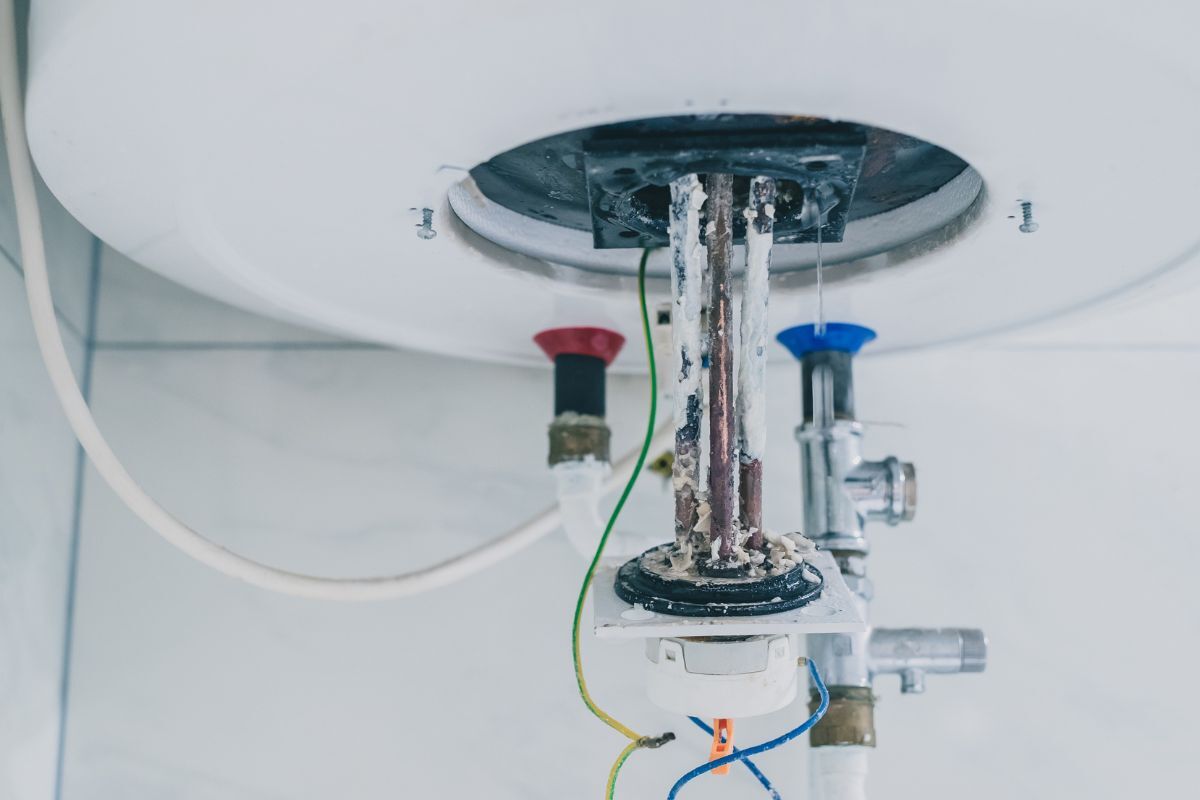
Hydronic heating systems naturally collect sediment over time. Minerals, corrosion particles, and debris can settle in low-flow areas and affect circulation.
If sediment accumulates in the heat exchanger or piping, the boiler may run less efficiently or develop hot spots that stress internal components.
Flushing parts of the system or installing a magnetic dirt separator can help capture debris before it circulates through pumps and valves.
Maintaining clean system water is one of the best ways to extend the life of a boiler or combi unit.
Test the Circulator Pump
Circulator pumps move heated water through the system to radiators, baseboards, or radiant heating loops. After months of constant operation, it’s worth confirming the pump still operates smoothly.
Listen for unusual noise such as grinding, rattling, or vibration. These sounds may indicate worn bearings or air trapped in the system. Also check for excessive heat at the pump housing, which can signal motor strain or restricted flow.
If a circulator pump is nearing the end of its service life, replacing it during the off-season avoids emergency failures when heating demand returns.
Pro Tip: Learn more about how recirculation pumps work and the best ones to buy in our blog post!
Check the Condensate System on Condensing Boilers
High-efficiency condensing boilers and combi units produce condensate as part of the combustion process. This acidic moisture drains through a condensate line and neutralizer before leaving the system.
Over time, the neutralizer media inside the condensate filter becomes depleted and should be replaced periodically.
A blocked condensate drain can cause shutdown errors or internal corrosion, so inspecting this part of the system during spring maintenance is especially important for modern condensing units.
Inspect Air Vents and Air Separators
Air trapped in hydronic heating systems can reduce efficiency and cause uneven heating. Air vents and separators help remove this trapped air from the system.
During spring maintenance, check automatic air vents for mineral buildup or signs of leakage. A stuck vent can allow air to accumulate in the piping, leading to noisy radiators or reduced heat transfer.
Cleaning or replacing faulty vents keeps circulation smooth and prevents unnecessary strain on pumps.
Schedule Annual Professional Service
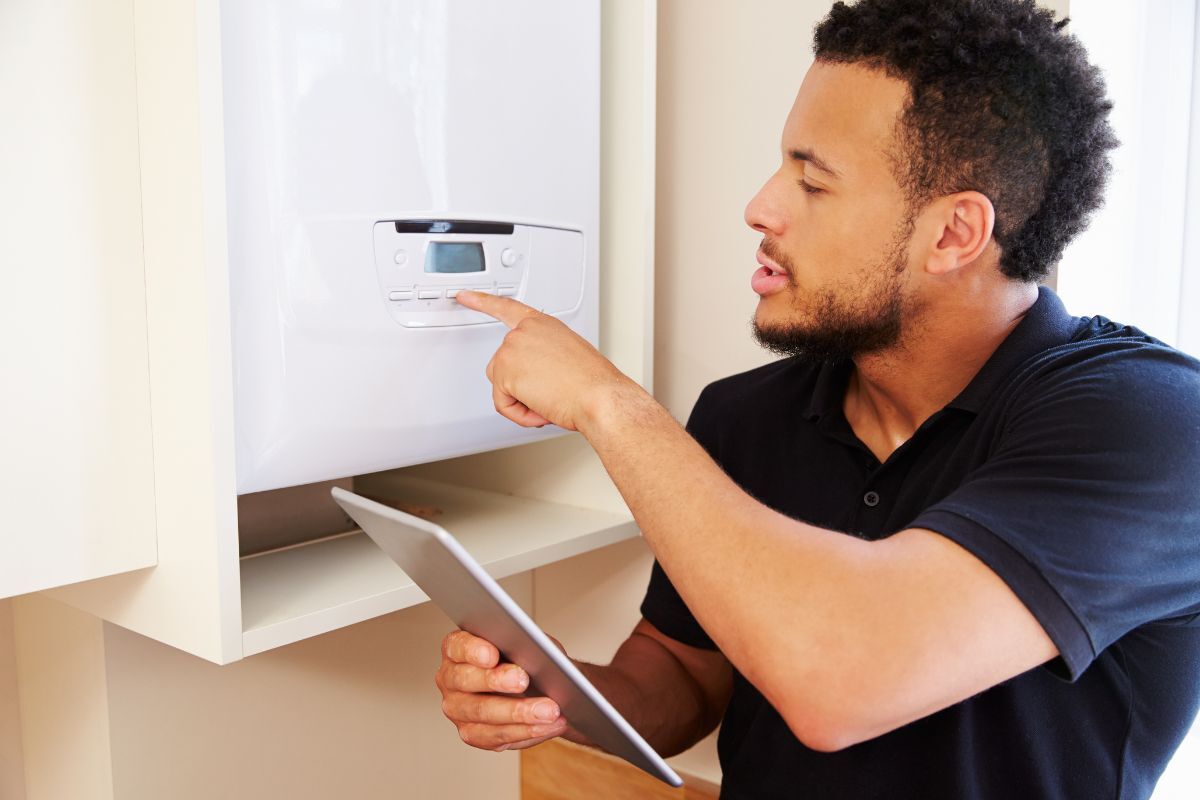
While visual inspections can catch many issues, professional servicing is still recommended at least once a year.
A licensed technician can perform deeper diagnostics such as:
- Combustion analysis
- Burner cleaning
- Heat exchanger inspection
- Control calibration
- Gas pressure testing
Spring is often an ideal time to schedule service because heating contractors typically have more availability compared to the busy winter season.
Preparing Your Boiler for the Off-Season
Boilers and combi units work hard all winter to keep homes comfortable. Taking time to inspect key components before spring arrives helps protect that investment and prepares the system for another year of reliable operation.
Checking pressure levels, valves, pumps, and water quality now can prevent costly repairs later. Small maintenance tasks completed during the off-season often make the biggest difference in long-term system performance.
If you discover worn components or want to upgrade parts during maintenance, Plumbing Deals carries a wide selection of boiler valves, pumps, expansion tanks, and hydronic heating accessories designed for dependable performance.