As we ring in 2026, many of us are setting goals for personal health, financial stability, and career growth. But what about the health of your home? Your plumbing system is the lifeline of your household, yet it often goes unnoticed until a disaster strikes.
Make a change by adopting New Year plumbing resolutions that prioritize efficiency, durability, and peace of mind. Whether you’re a DIY homeowner or a contractor, you can avoid unexpected emergencies, reduce utility bills, and modernize your living space.
Top 7 Upgrades and Maintenance Tips for 2026
-
Upgrade to High-Efficiency Fixtures

If your fixtures are more than a decade old, they’re likely wasting gallons of water every single day and adding unnecessary costs to your utility bills. The good news? Many budget-friendly upgrades can be done in an afternoon and pay for themselves quickly.
One of the most impactful plumbing upgrades that save water (and money) is switching to high-efficiency models. For homeowners, this is a relatively easy DIY project. Swapping out an old showerhead for a WaterSense-labeled model can save the average family nearly 2,700 gallons of water per year. Even simple changes like repairing drips, upgrading to flow restrictors, or installing aerators are economical and environmentally smart.
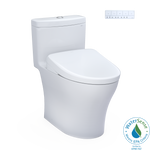
For contractors, recommending dual-flush toilets to clients is a major value-add for 2026 home plumbing upgrades. These toilets offer two flush options—one for liquid waste and one for solid—giving users control over their water usage. Consider options like the Caroma Somerton Smart 270 Toilet or TOTO Aquia IV Dual Flush Toilet for high performance and water savings. These small changes add up, making them essential plumbing upgrades that save money on monthly utility bills while conserving precious resources.
-
Replace Aging Pipes and Supply Lines
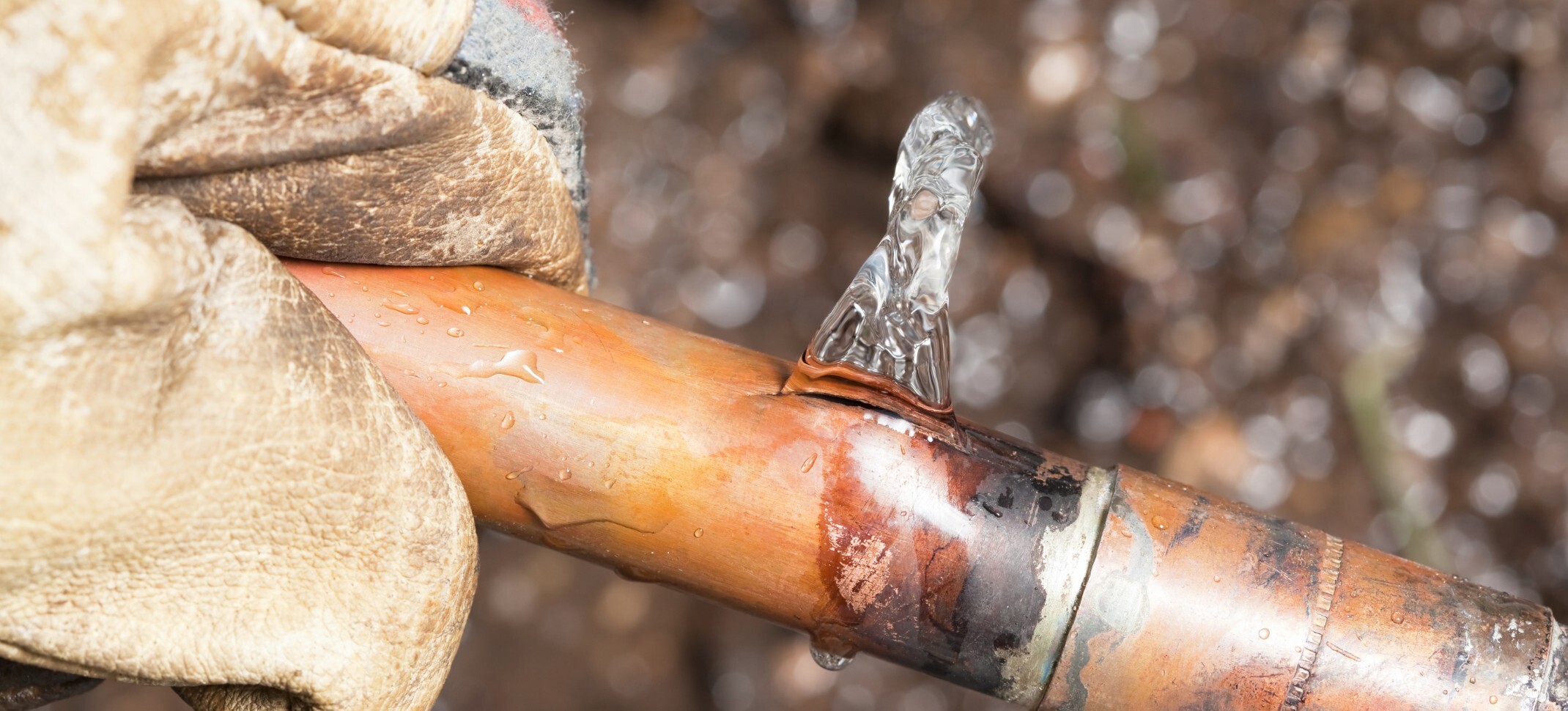
A burst pipe is every homeowner's nightmare. As part of your New Year plumbing maintenance tips, prioritize an inspection of your visible pipes and supply lines. If you live in an older home with galvanized steel or polybutylene pipes, you’re sitting on a ticking time bomb of corrosion and potential leaks.
Upgrading to modern materials like PEX (cross-linked polyethylene) or copper is one of the smartest plumbing upgrades you can make. PEX is flexible, resistant to scale and chlorine, and doesn't corrode or develop pinhole leaks like metal piping.
Additionally, pay close attention to the supply lines under your sinks and behind your toilets. If they’re made of grey plastic or rubber, replace them with braided stainless-steel lines. This is a crucial step in preventative plumbing maintenance because stainless steel is far more durable and resistant to bursting. For contractors, suggesting a whole-home supply line audit is a great way to help customers avoid catastrophic water damage.
-
Install Smart Plumbing Technology
The smart home revolution has reached the bathroom and basement. Plumbing upgrades for the new year are increasingly digital, offering levels of protection and convenience that were previously impossible.
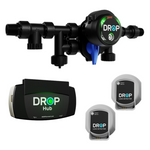
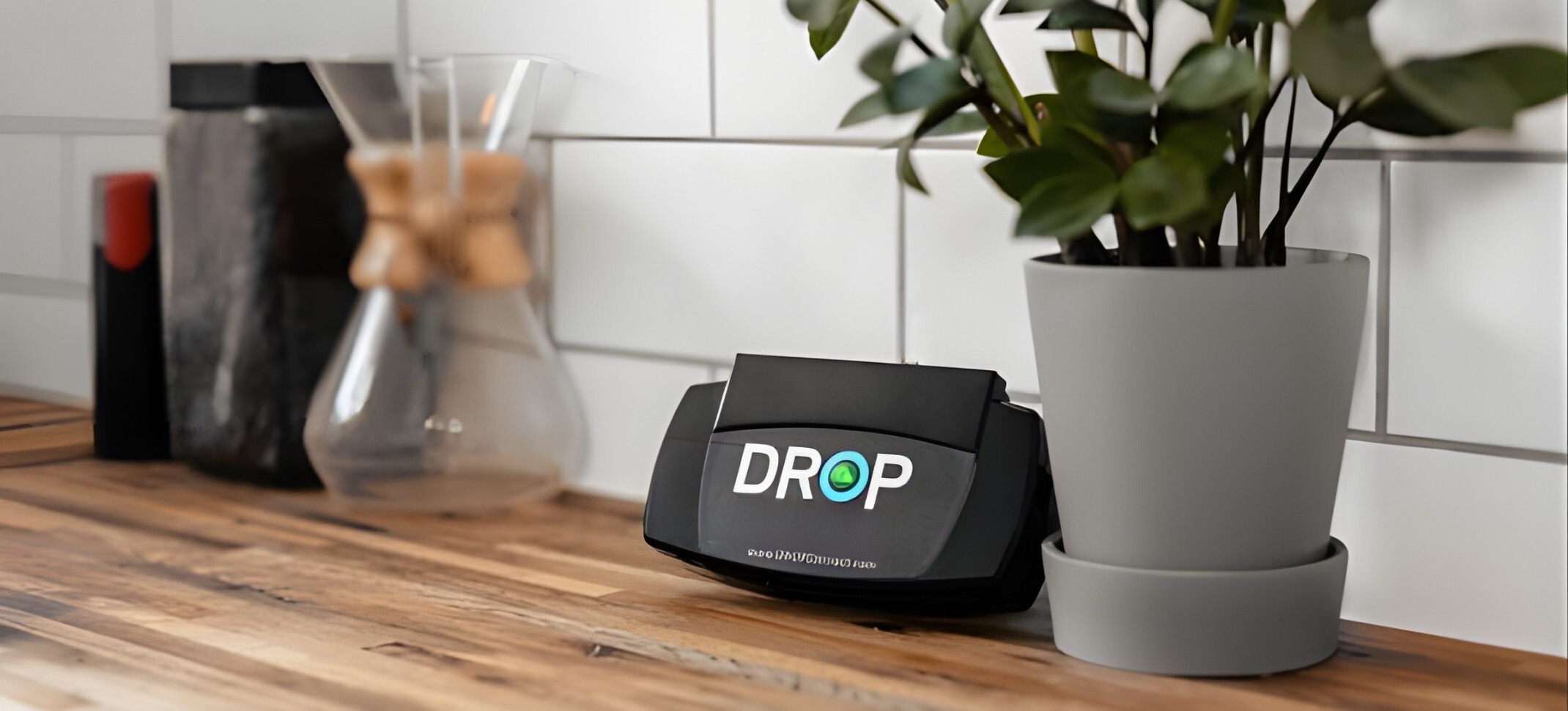
Installing smart leak detectors like the Drop Leak Detector System is a top priority for preventive plumbing maintenance. These devices can be placed near water heaters, under sinks, and behind washing machines. If they detect moisture, they send an instant alert to your smartphone. Advanced systems like this one feature automated shutoff valves that cut the water supply immediately upon detecting a leak, preventing thousands of dollars in damage.
For contractors, staying ahead of 2026 home plumbing upgrades means being well-versed in smart water monitors. These devices track water usage in real-time, helping identify running toilets or hidden leaks that don't show up on the floor. Integrating these technologies is one of the best plumbing tips for homeowners who travel frequently or want total peace of mind.
-
OptimizeWater Heating Systems
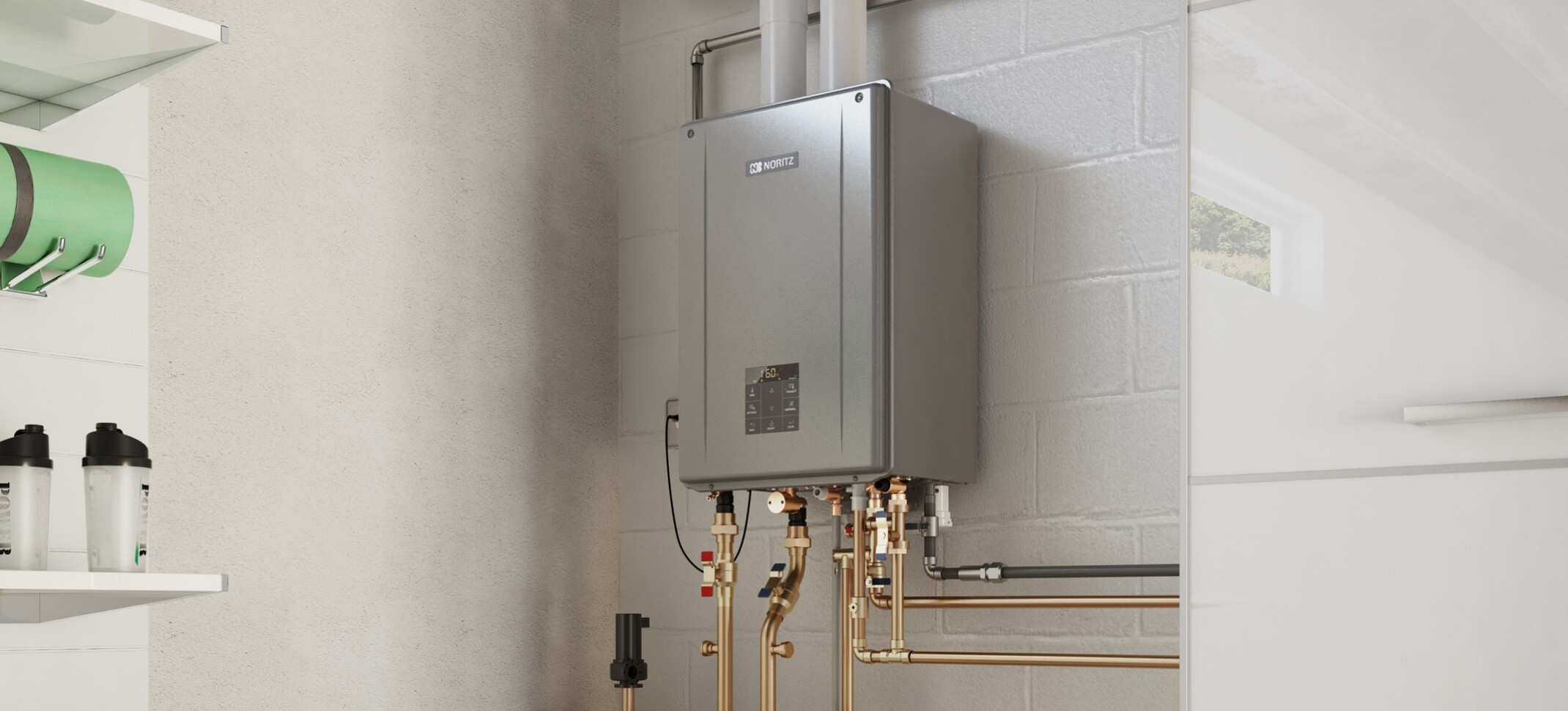
Your water heater works tirelessly year-round, but it often gets ignored until the shower turns cold. Including your water heater in your annual plumbing maintenance routine is non-negotiable.
First, consider flushing your water heater tank. Over time, sediment builds up at the bottom of the tank, forcing the unit to work harder to heat water. This reduces efficiency and can lead to premature failure. Flushing the tank once a year is a standard plumbing maintenance tip that extends the life of the unit.
If your water heater is nearing the end of its lifespan (typically 8–12 years for tank styles), 2026 is the year to upgrade. Tankless water heaters are popular plumbing upgrades because they heat water on demand, meaning you never run out of hot water, and you aren't paying to keep a reservoir of water hot 24/7. Hybrid heat pump water heaters are another excellent option for energy efficiency.
-
Address Water Quality
Hard water is hard on your home. It leaves scale buildup on fixtures, clogs pipes, dries out skin, and shortens the lifespan of appliances like dishwashers and washing machines. Addressing water quality is one of the most beneficial plumbing tips for 2026.
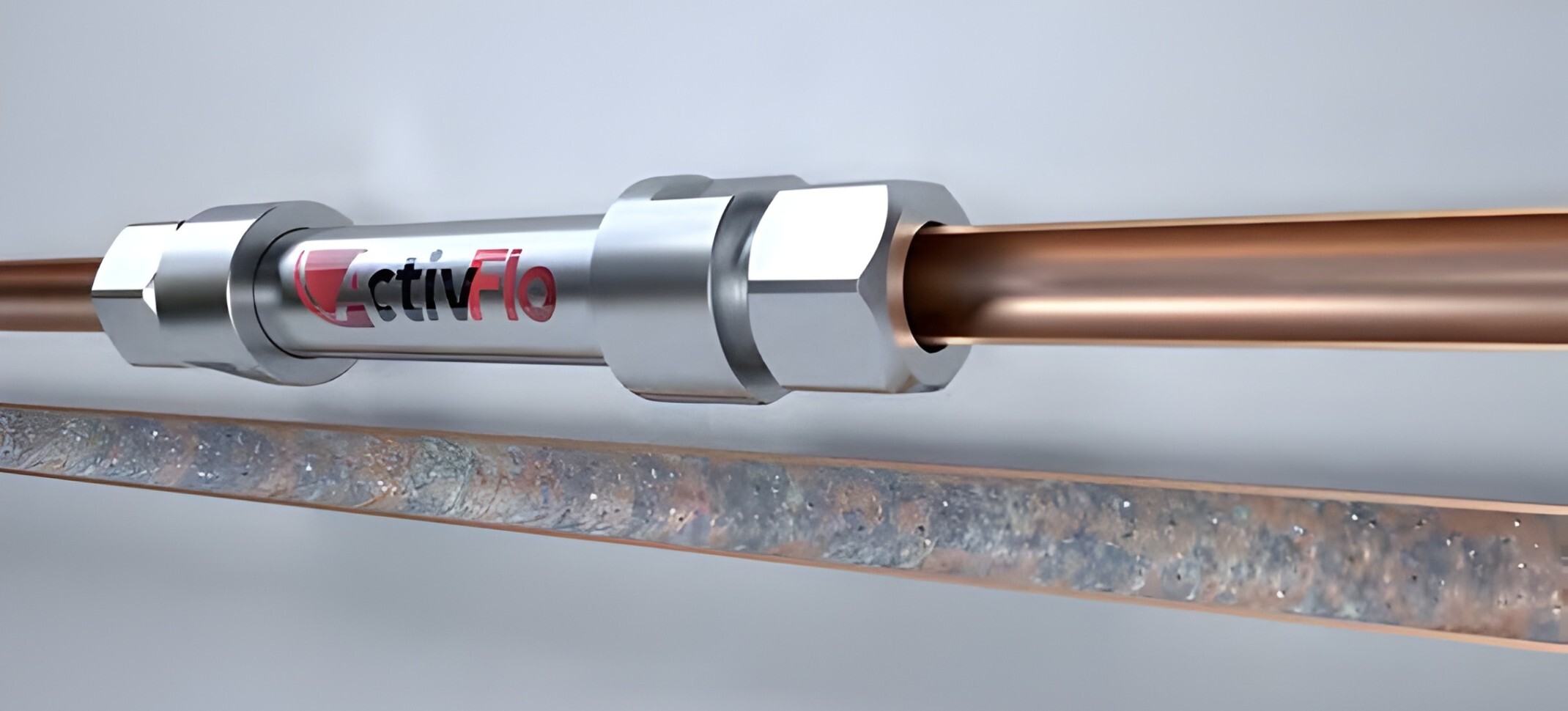
Installing a whole-home water softener, such as the Zilmet ActivFlo Water Conditioner, can eliminate scale buildup, protecting your plumbing upgrades and making cleaning easier. For drinking water, under-sink filtration systems or reverse osmosis units ensure your water is free from contaminants and tastes great.
Contractors can serve their clients better by testing water hardness during routine visits. Recommending the right filtration or softening system adds value and protects the work you’ve already done on their pipes and fixtures.
-
Preventative Maintenance for Drains and Sewers
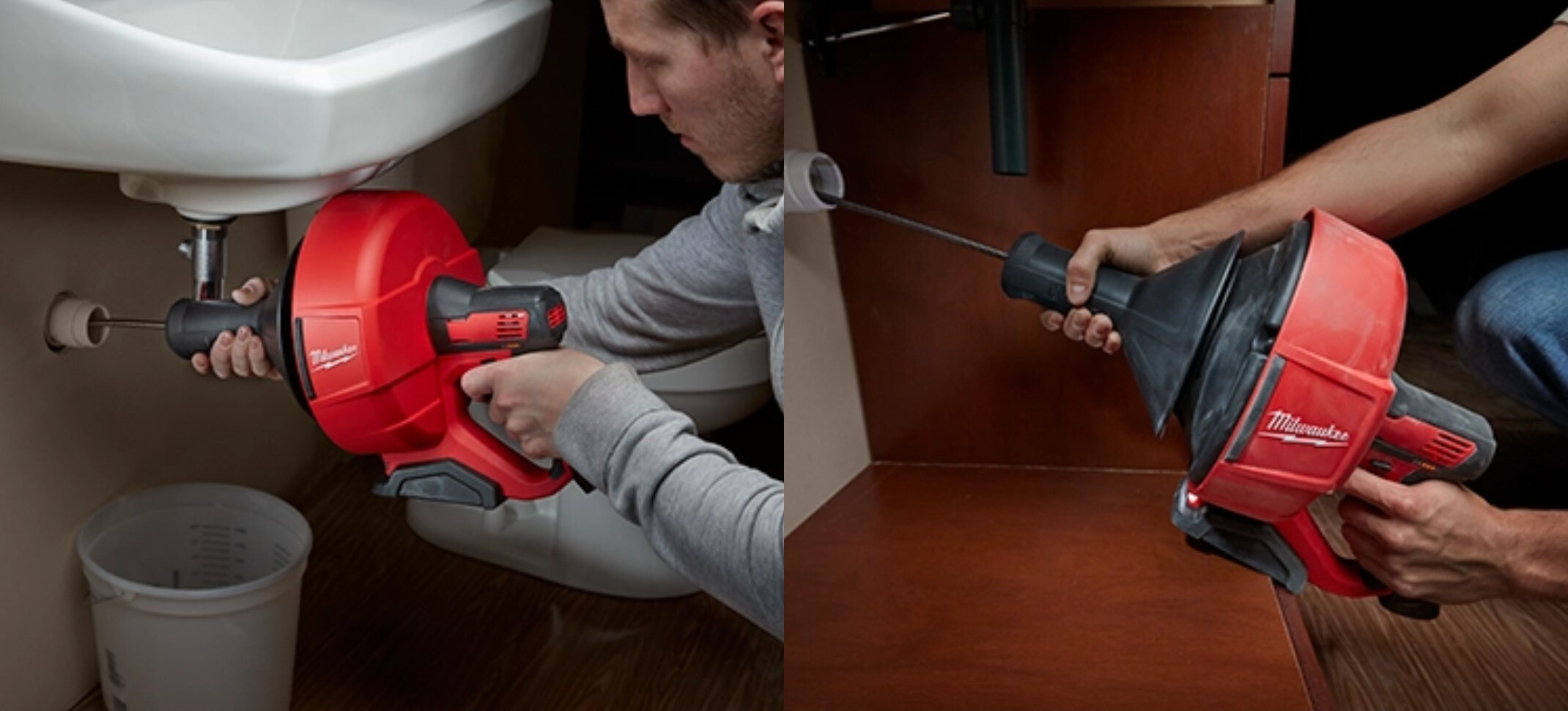
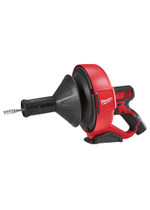
Clogged drains are a nuisance, but they’re often preventable. Instead of reaching for harsh chemical drain cleaners that can damage your pipes over time, adopt safer plumbing tricks to keep things flowing smoothly. For tough clogs, consider a tool like the Milwaukee M12 Drain Snake Kit, a reliable option for both homeowners and contractors who want to tackle blockages without causing pipe damage.
One of the best plumbing maintenance tips is to use enzyme-based drain cleaners, like the Rectorseal Condensate Drain Line Cleaner and the Whitlam TALON Drain Opener. These biological cleaners use good bacteria to eat away at organic matter such as hair, soap scum, and food grease without corroding your pipes. Using these monthly acts as proactive plumbing maintenance to prevent clogs before they form.
For a deeper look, consider scheduling a professional camera inspection. This allows you to see exactly what is happening inside your sewer line, spotting potential issues like tree root intrusion or belly sags before they cause a backup. This is a critical component of a comprehensive plumbing maintenance plan.
-
Seasonal Plumbing Maintenance for Year-Round Protection

A truly effective plumbing maintenance plan isn't a one-time event; it changes with the seasons. By following this seasonal plumbing maintenance checklist, you can protect your home regardless of the weather.
Winter
Winter is the most dangerous season for plumbing. Your primary goal is to prevent freezing.
- Insulate Pipes: Any pipes in unheated areas (garages, attics, crawl spaces) should be insulated with foam sleeves.
- Frost-Free Bibs: Install frost-free hose bibs like the Woodford 12-Inch Freezeless Anti-Siphon Wall Faucet to prevent the pipe leading to the faucet from bursting inside the wall.
- Drip Faucets: During extreme cold snaps, let faucets drip slightly to keep water moving and prevent freezing pressure buildup.
Spring
As the thaw begins, check for damage left behind by winter.
- Inspect for Leaks: Check outdoor faucets and irrigation systems. If you turn on the hose and see water leaking from the handle or the wall, you likely had a freeze break.
- Test Sump Pumps: Pour a bucket of water into your sump pit to ensure the pump activates and ejects water properly. This is vital preventative plumbing maintenance against basement flooding.
- Clear Gutters: Ensure downspouts direct water at least 5 feet away from your foundation to reduce stress on perimeter drains.
Summer
Summer often means higher water usage for lawns, pools, and showers.
- Check Sewer Lines: Summer is when tree roots grow most aggressively. Watch for slow drains, which could indicate root intrusion.
- Inspect Sprinklers: Broken sprinkler heads waste massive amounts of water. Walk your property while the system is running to spot geysers or leaks.
- Monitor Pressure: High demand can sometimes lead to pressure fluctuations. Ensure your home’s water pressure isn't exceeding 80 PSI, which can strain your pipes.
Fall
Preparation for the cold begins now.
- Disconnect Hoses: This is the most important of all plumbing tips for homeowners. leaving a hose attached in freezing temps can burst the faucet.
- Drain Irrigation: Blow out or drain underground sprinkler systems to prevent cracking.
- Water Heater Check: Your heater is about to work its hardest. Perform your annual flush now to ensure peak efficiency for winter.
Conclusion
The new year is a clean slate, and your home deserves a fresh start too. By committing to these New Year plumbing resolutions, you’re investing in the longevity of your home and the comfort of your family. Whether you’re tackling DIY plumbing maintenance or hiring a professional for major plumbing upgrades, taking action now will save you stress and money down the road.
Don't wait for a leak to remind you of your plumbing's importance. Use this plumbing maintenance checklist to stay ahead of the curve. When you’re ready to get started, contact Plumbing Deals to find the best supplies for plumbing maintenance and upgrades!