Winter can be tough on plumbing systems. Freezing temperatures, expanding pipes, and shifting soil all put stress on water lines throughout your home. When spring arrives and water pressure returns to normal, small cracks or weakened fittings can start leaking behind walls, under floors, or beneath fixtures.
These issues often turn into hidden leaks that go unnoticed for weeks. A slow drip behind drywall or under a cabinet may not be obvious at first, but it can lead to mold, structural damage, and higher utility bills if it isn’t caught early.
This guide walks through practical ways to check your home for hidden water leaks, what warning signs to look for, and the water leak detectors that can help protect your plumbing system year round.
Why Hidden Leaks Often Appear After Winter
Winter conditions create the perfect environment for hidden water leaks to develop. Pipes expand when water freezes and contract as temperatures rise. This constant movement stresses pipe joints, valves, and fittings.
Even if a pipe didn’t burst during winter, the damage may already be done. Once spring arrives and water flows normally again, small fractures can start leaking slowly.
Because these leaks often occur behind walls or beneath flooring, they usually require plumbing leak detection methods to identify them before visible damage appears.
Common Signs of a Hidden Water Leak
Before using specialized water leak finders or detection equipment, start with a visual and sensory inspection. Many leaks leave small clues throughout the home, including:
- A sudden increase in your water bill without a change in usage is one of the most common signs of a hidden leak.
- Persistent damp or musty smells often indicate moisture trapped behind walls or under floors.
- Yellow or brown stains on ceilings and walls, peeling paint, or bubbling wallpaper which usually means water is accumulating behind the surface materials.
- Wood flooring that begins to buckle or drywall that feels soft may indicate ongoing water damage from hidden plumbing leaks.
- Dripping or water movement inside walls while fixtures are off, a concealed leak may be active somewhere in the plumbing system.
Step-by-Step Plumbing Inspection for Hidden Leaks
A thorough plumbing inspection after winter doesn’t require specialized tools and helps identify potential trouble areas early.
1. Check Your Water Meter: Turn off all faucets, appliances, and irrigation systems. Then watch your water meter for a few minutes. If the meter continues moving, water is flowing somewhere in the system and a hidden water leak may be present.
2. Inspect Under Sinks and Cabinets: Open cabinets under kitchen and bathroom sinks and look for damp wood, mineral buildup on pipes, mold or mildew, or Slow drips at supply lines. These areas are common locations for leakage sensors or water sensing sensors because leaks often start at connections.
3. Look Around Water-Using Appliances: Check around water heaters, washing machines, dishwashers, and refrigerators with ice makers. Small appliance leaks can remain unnoticed for long periods and may require water leak detection equipment to monitor.
4. Walk the Basement or Crawl Space: Inspect exposed pipes and look for rust or corrosion, wet insulation, and puddles or damp concrete. Basements and crawl spaces are ideal places for water sensors or leakage detector systems since plumbing lines are often exposed.
Using Smart Leak Detection Systems
Modern plumbing leak detection technology can monitor your plumbing system 24 hours a day. These devices detect moisture, track water usage, and sometimes shut off the water automatically if a leak occurs.
Below are several reliable options used by both homeowners and plumbing professionals.
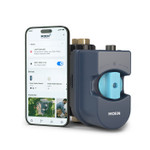
Smart Whole-Home Monitoring: Moen Flo Smart Water Monitor & Shutoff
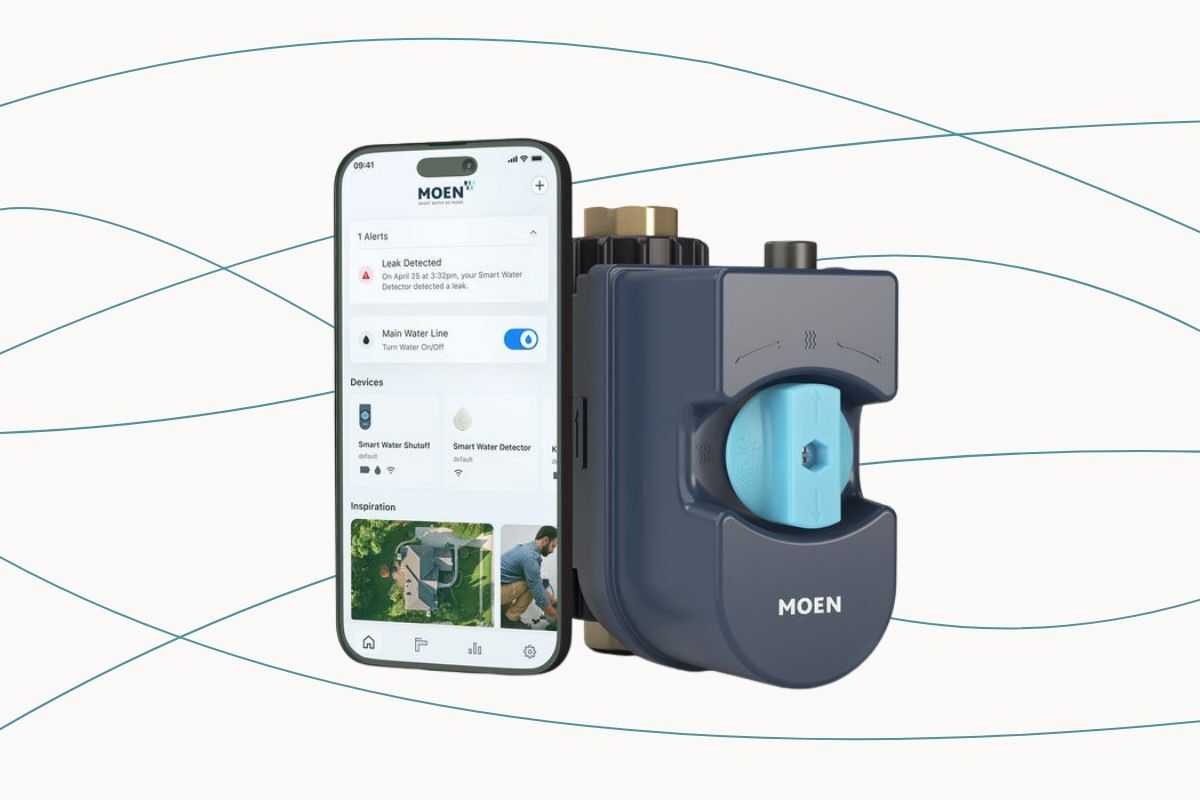
This system installs directly on the main water line and continuously monitors water flow throughout the home. It can detect leaks as small as a drop per minute and send alerts through a mobile app. If a serious leak occurs, the system can automatically shut off the water to prevent major damage.
Whole-home monitors are one of the most effective tools for emergency leak detection because they protect the entire plumbing system.
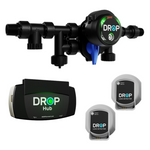
Multi-Sensor Leak Detection Systems: DROP Leak Detector System D‑HPS‑K1
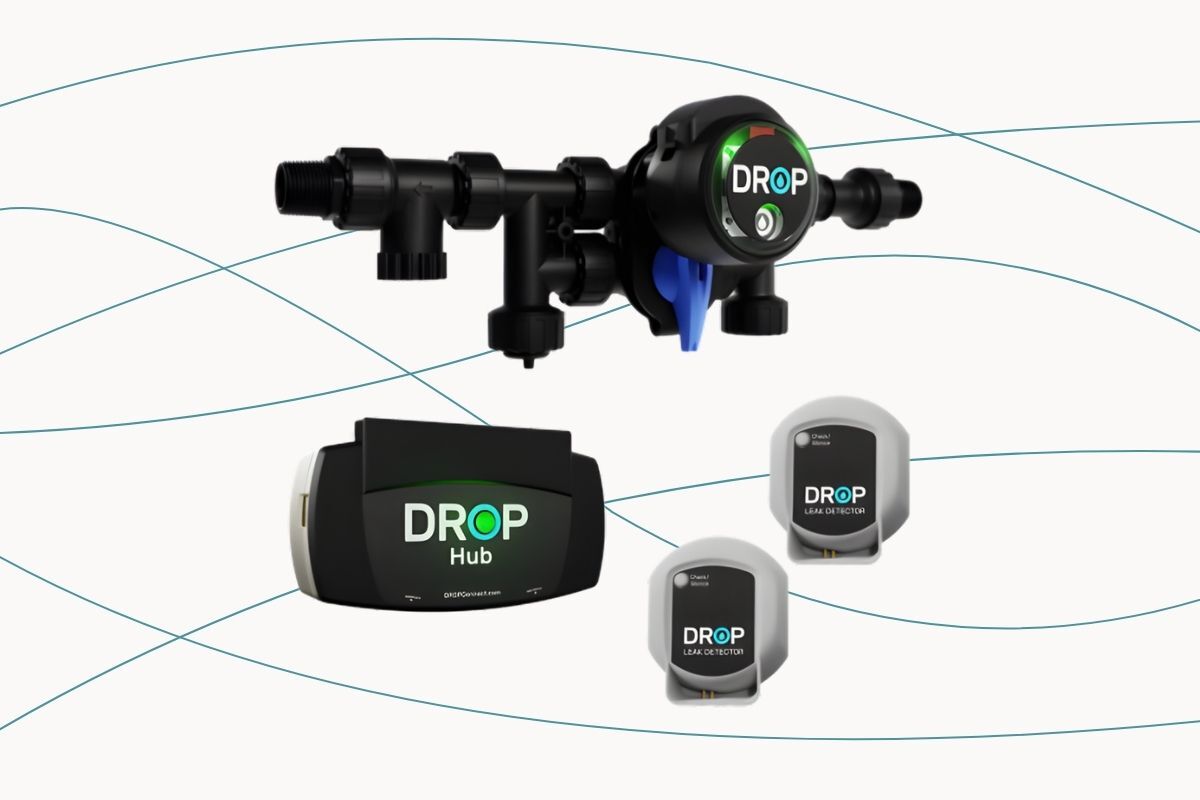
This type of system uses multiple water leak sensors placed in high-risk areas such as water heaters, laundry rooms, and under sinks. When moisture is detected, the hub can trigger alerts and shut off the main water supply.
These setups are useful for larger homes where several water detection sensors may be needed.
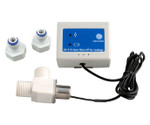
Local Leak Detection with Automatic Shutoff: Mountain Plumbing MT6LD Leak Detector and Auto Shutoff Valve
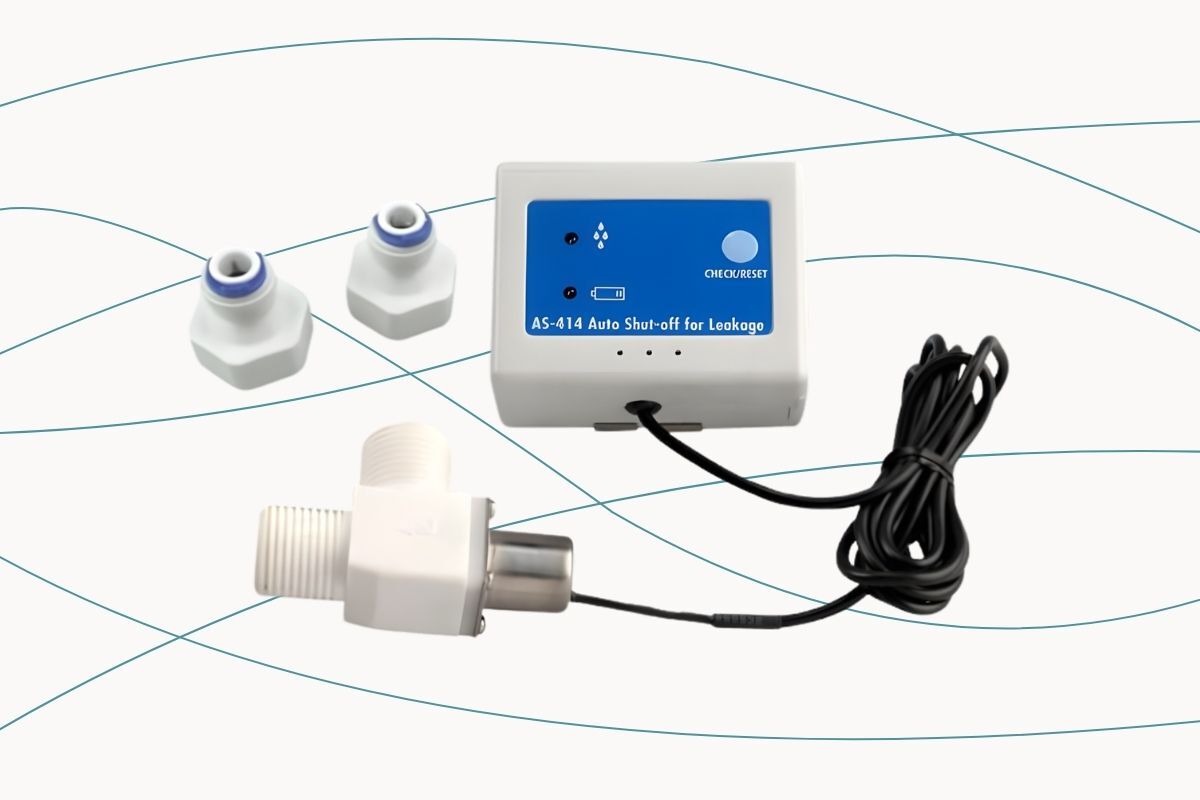
Point-of-use leak detectors monitor specific fixtures or appliances. If water is detected near the sensor, the valve automatically shuts off the supply line.
This approach works well for appliances like dishwashers, refrigerators, or water heaters where leaks often begin.
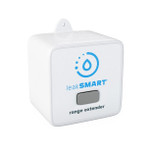
Extending Sensor Coverage: LeakSmart 8850700 Pro System 2.0 Sensor Range Extender
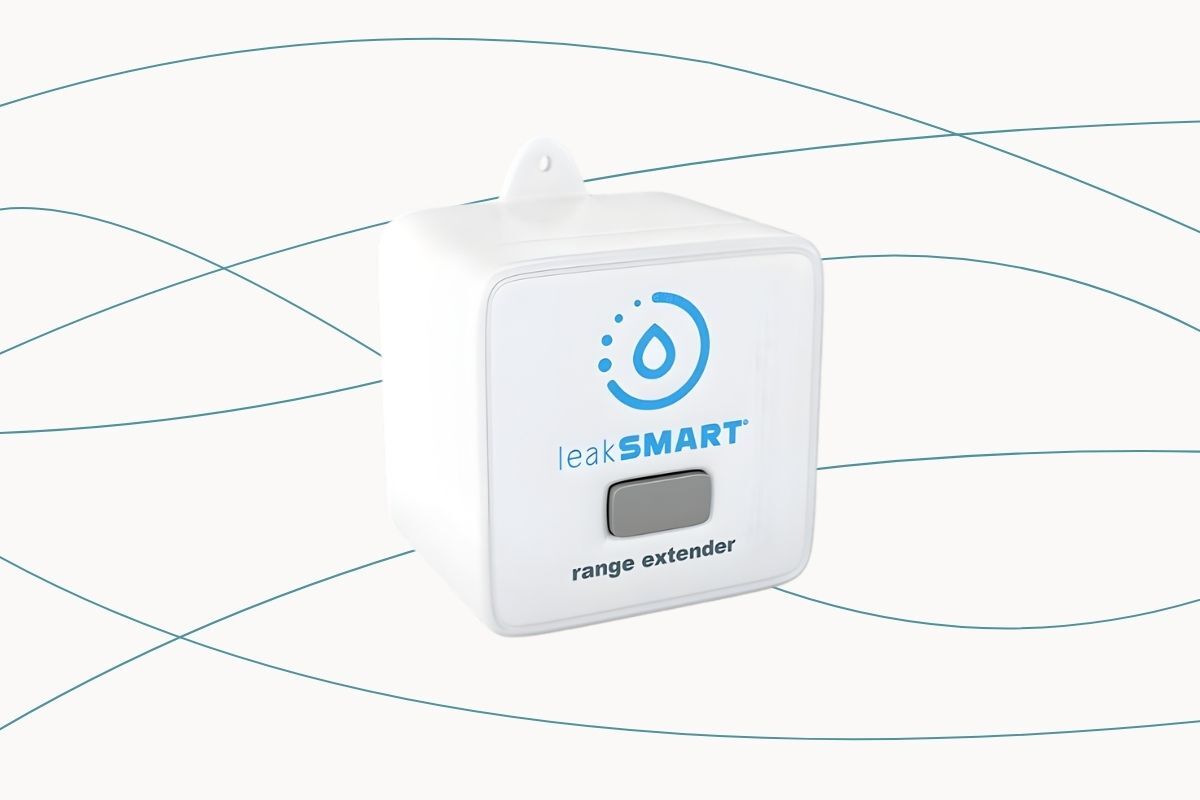
Larger homes sometimes experience weak signals between sensors and the main hub. Range extenders help maintain communication between water sensors and the control system, ensuring consistent monitoring throughout the house.
Where to Place Water Leak Sensors
Strategic placement makes leak detecting systems much more effective. Common locations include:
- Under kitchen and bathroom sinks
- Behind washing machines
- Near water heaters
- Around sump pumps
- Beneath refrigerators with water lines
- In basements or crawl spaces
These are the areas most likely to experience slow leaks that could otherwise remain hidden.
Shield Your Home with Leak Protection Tools
Hidden plumbing leaks often start small but can cause major damage if they go unnoticed. A quick seasonal plumbing inspection, combined with reliable leak detection, can help homeowners catch problems early and avoid costly repairs.
From checking your water meter to installing smart water sensing sensors, a proactive approach to plumbing leak detection protects both your home and your plumbing system.
If you're looking to upgrade your home with dependable water leak detection equipment, Plumbing Deals offers professional-grade leak monitoring systems designed to keep your plumbing safe year round.