Winter brings cozy nights and festive cheer, but it also increases the risk of plumbing emergencies that can cause expensive damage. Prevention is key, and keeping cold air out with proper insulation is one of the most important steps. Small issues like fallen crawl-space insulation or cracks that let in cold air often go unnoticed until a storm hits and the power goes out, creating ideal conditions for frozen pipes. The best defense is preparation, and having the right winter plumbing tools helps you respond quickly and protect your home.
Why Is Winter Tough on Plumbing?
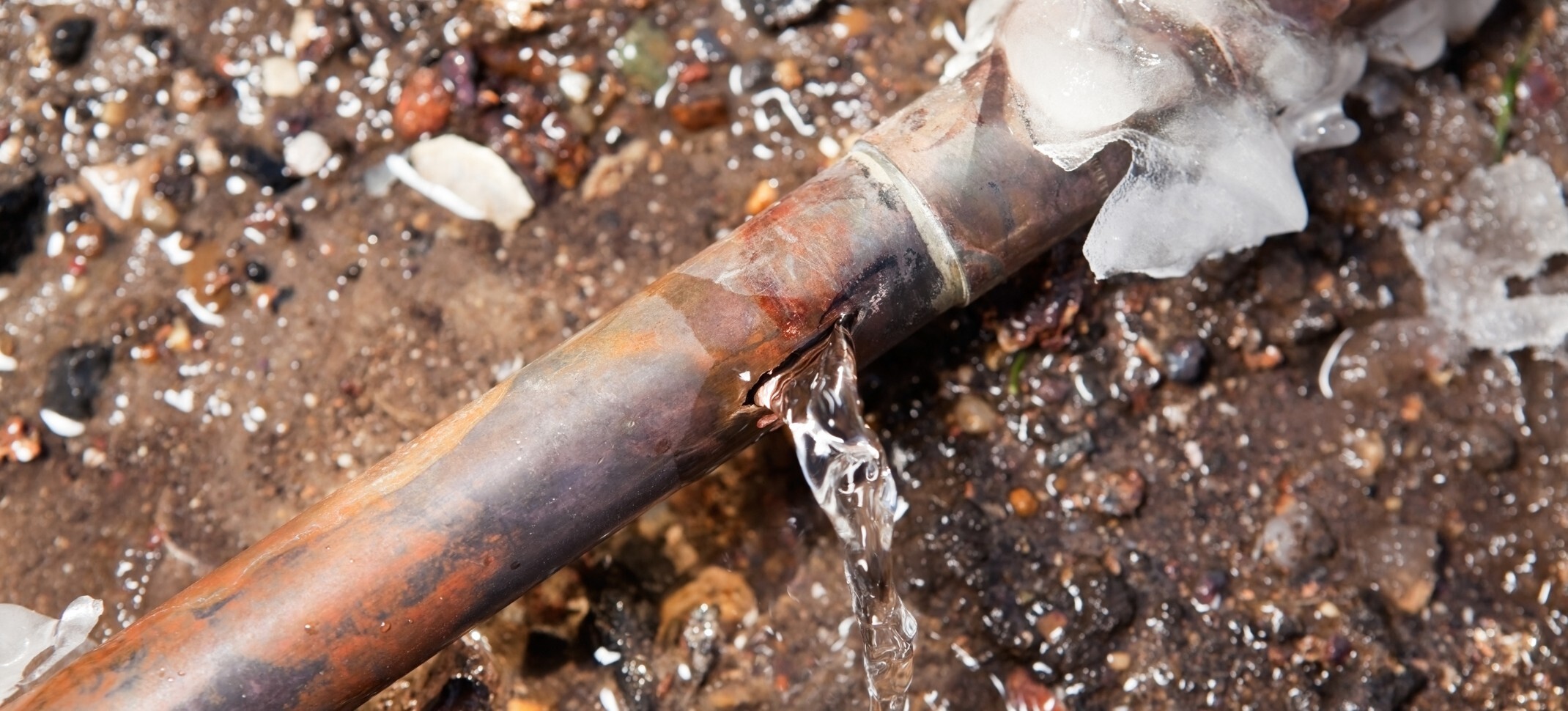
When water freezes, it expands by about 9 percent, which exerts immense pressure on pipes. If this pressure has nowhere to go, it can easily lead to catastrophic cracks and bursts. Pipes in unheated areas like basements, crawl spaces, attics, and garages are especially vulnerable to threat. For more on avoiding frozen pipes, read our guide on How to Keep Pipes from Freezing.
Other common winter plumbing problems include stubborn clogged drains from increased indoor activity and water heater failures as demand for hot water peaks during cold months. Having a well-stocked, professional-quality plumbing toolkit is a critical part of protecting your property and maintaining your peace of mind.
Must-Have Plumbing Tools for Winter Emergencies
- Premium Pipe Insulation: High-quality foam or fiberglass sleeves slide easily over exposed pipes, providing a superior thermal barrier against the cold.
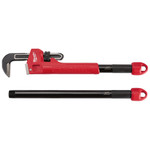
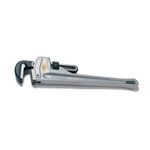
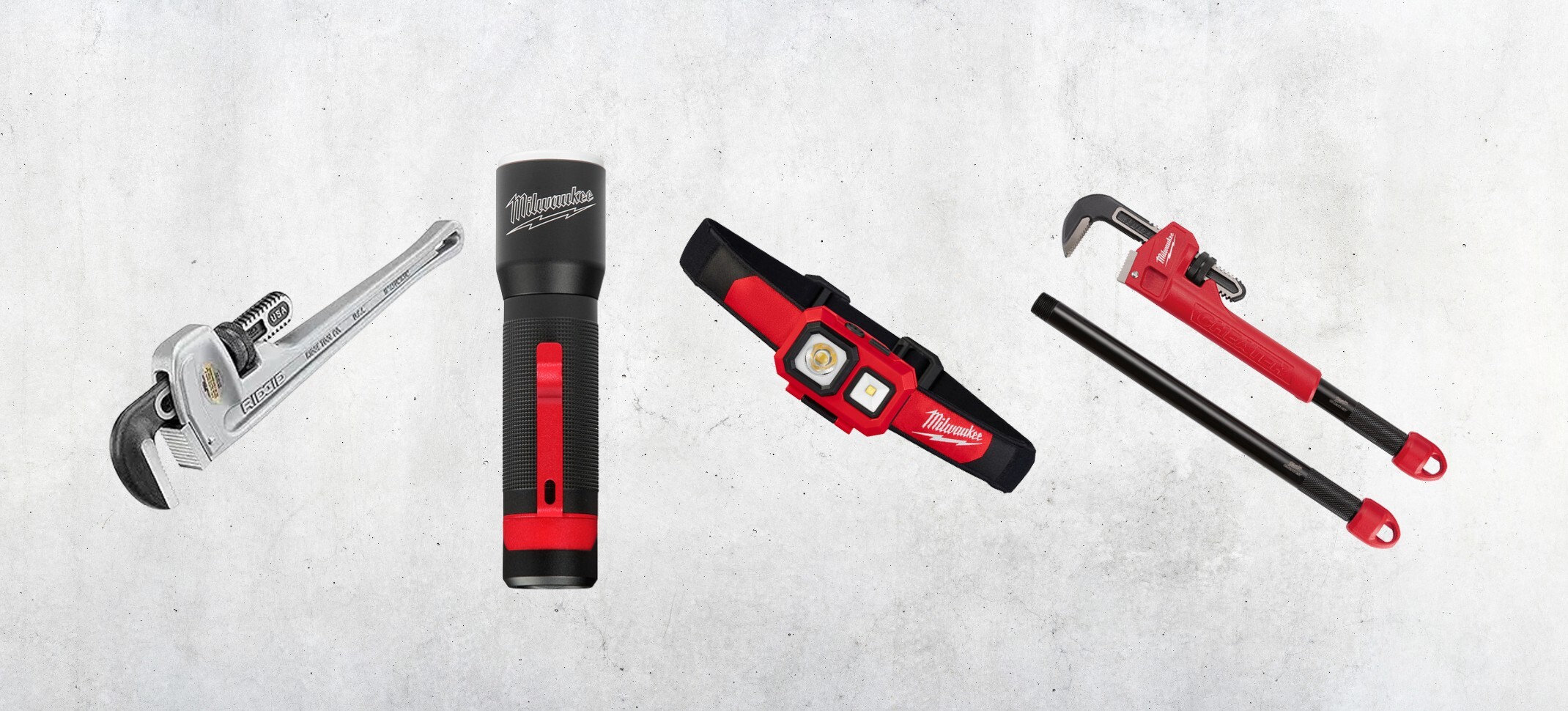
- Durable Pipe Wrench: A sturdy, professional-grade pipe wrench is invaluable for tightening or loosening pipe fittings with precision. Products like the RIDGID 18-inch Aluminum Straight Pipe Wrench and the Milwaukee CHEATER Adaptable Pipe Wrench are perfect for a professional-grade tool kit.
- Professional Heat Tape: For pipes that are extremely vulnerable to freezing, electrical heat tape provides a constant, reliable low-level heat source.
- Large Capacity Bucket: A large, durable bucket can catch a significant amount of water from a leak, protecting your floors and valuable belongings from damage.
- Heavy-Duty Duct Tape or Pipe Repair Clamps: Professional duct tape or a specialized pipe clamp can stop water flow until a permanent repair is made.
- Powerful Flashlight and Batteries: Plumbing issues often occur in dark, tight spaces, so a bright, reliable light helps you see and work hands-free. The Milwaukee 325-L focusing flashlight and Milwaukee spot/flood headlamp are built for durability and deliver powerful illumination.
- Heavy-Duty Plunger: Clogs are common in winter, and having a professional flange plunger (for toilets) and a cup plunger (for sinks and tubs) is an absolute necessity.
Additional Tools for Advanced Preparedness
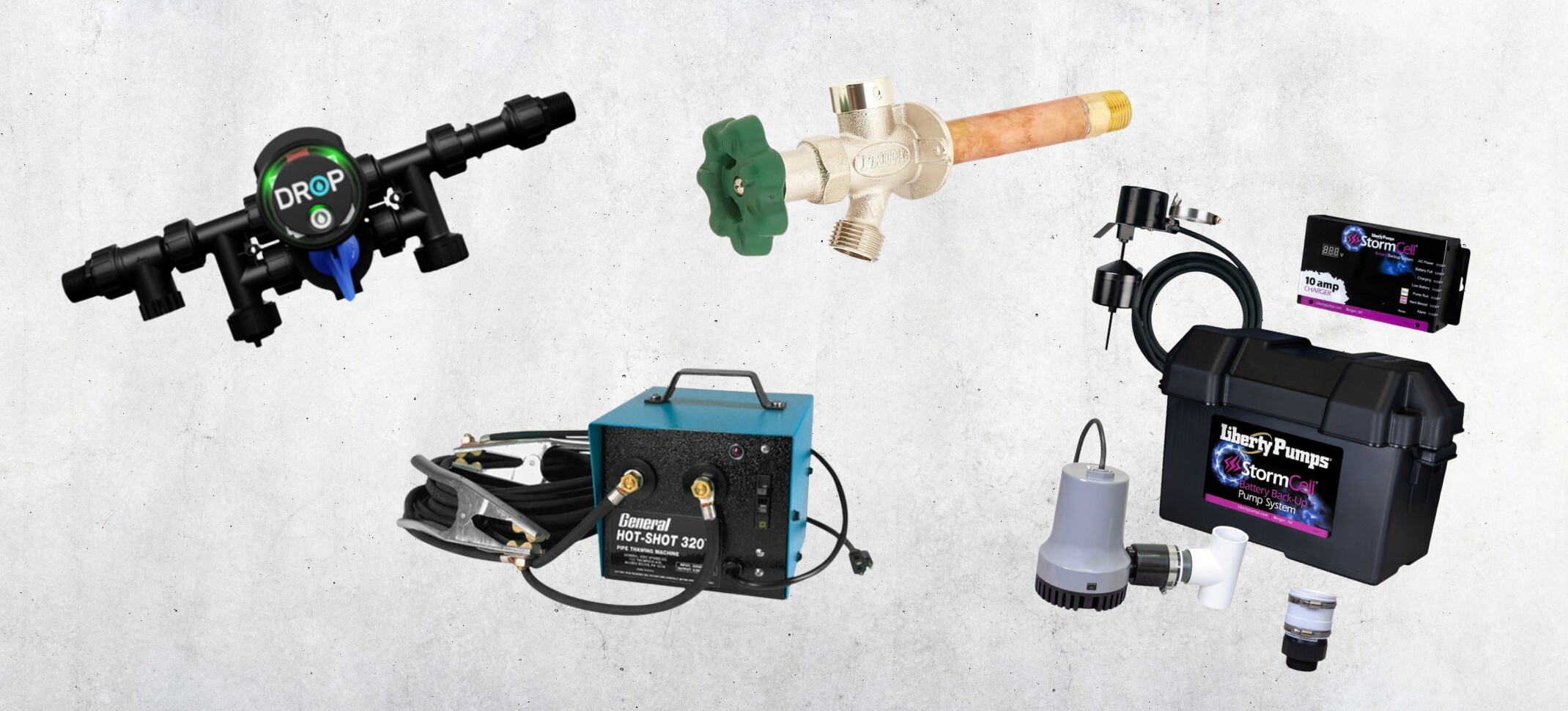
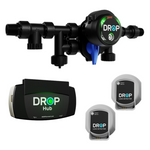
- Freeze Sensors: These devices sense when temperatures near freezing and send timely alerts, helping you prevent pipe damage. Leak detection systems like the DROP Leak Detector System can also detect when temperatures drop to freezing, alerting the homeowner and shutting off the water to help prevent damage to the rest of the house.
- Back-Up Sump Pump: This secondary pump automatically engages during outages or failures, offering extra protection against water damage and costly basement flooding during heavy snowmelt.
- Water Shut-Off Valve: When emergency strikes, this important item will allow you to stop water from flowing through the pipes. Discover Everything You Need to Know About a Water Shut-Off Valve in our plumbing blog. Taco’s LeakBreaker NPT Water Heater Shut-Off Valve & Actuator is a great option for any homeowner looking to protect their property.
- Portable Space Heaters: A reliable space heater on an extremely cold night can keep temperatures high enough to prevent frozen pipes. Always follow manufacturer safety guidelines and never leave a heater unattended.
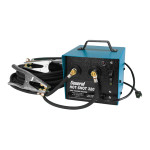
- Pipe Thawer: A quick-acting, clamp-style tool that clears frozen pipes by heating and melting ice from the inside out. The General Wire Hot Shot 320 Amp Pipe Thawer is essential for any homeowner dealing with winter weather.
- Frost-Free Hose Bibs: An outdoor spigot with an interior shut-off valve and extended design that keeps water in the warmer part of the pipe so it can drain properly to prevent freezing, bursting, and backflow. Check out our complete buying guide to the Best Frost-Free Hose Bibs to find the best one for your home.
Tips for Preventing Winter Plumbing Issues
The best way to handle a plumbing emergency is to prevent it from happening with proven, proactive techniques. For more expert seasonal advice, check out our Winter Plumbing and Maintenance Tips.
- Insulate Your Pipes Properly: Take the time to professionally insulate all exposed pipes in unheated areas. It's a low-cost, high-impact project that delivers exceptional results.
- Drain Outdoor Faucets and Hoses: Disconnect, drain, and store all garden hoses properly. If you don't have frost-proof spigots, shut off the water supply to outdoor faucets and drain the lines completely.
- Maintain a Consistent Indoor Temperature: Prevent freezing by keeping your thermostat set to at least 55°F (13°C), even when you are away from home.
- Let Faucets Drip: During severe cold snaps, letting a small trickle of water run from a faucet connected to a vulnerable pipe can prevent it from freezing.
- Seal Cracks and Gaps: Use professional caulk or spray foam to seal any openings around pipes that let cold outdoor air in.
Conclusion
Winter plumbing emergencies are a serious threat to your home and wallet, but they are often preventable with the right preparation. By assembling a professional kit of must-have plumbing tools for cold weather and taking proactive steps to protect your pipes, you can significantly reduce your risk and protect your valuable investment. A small investment in quality tools and time now can save you from major headaches and thousands of dollars in expenses down the road.
Ready to upgrade your plumbing tool kit? Explore our complete collection of tools or contact our expert support team for personalized advice.