

Thinking about a bathroom upgrade and wondering if you can swap your old two-piece toilet for a sleek one-piece model? The short answer is yes, you absolutely can. While the switch is straightforward in most cases, a few key considerations will ensure your project is a success. This guide provides everything you need to know to make the change smoothly, from understanding the fundamental differences to installation tips and the benefits of upgrading.
Understanding the Basics: One-Piece vs. Two-Piece Toilets
Before you start your project, it's helpful to understand the core differences between these two popular toilet styles. Your choice will impact your budget, installation process, and the final look of your bathroom.
Two-Piece Toilets
These are the traditional models found in many homes, consisting of a separate tank and bowl that are bolted together during installation.
- Pros: Generally more affordable, easier to transport and handle in pieces, and replacement parts are readily available if just the tank or bowl needs servicing.
- Cons: The seam between the tank and bowl can be difficult to clean, and the assembly adds an extra step to the installation.
One-Piece Toilets
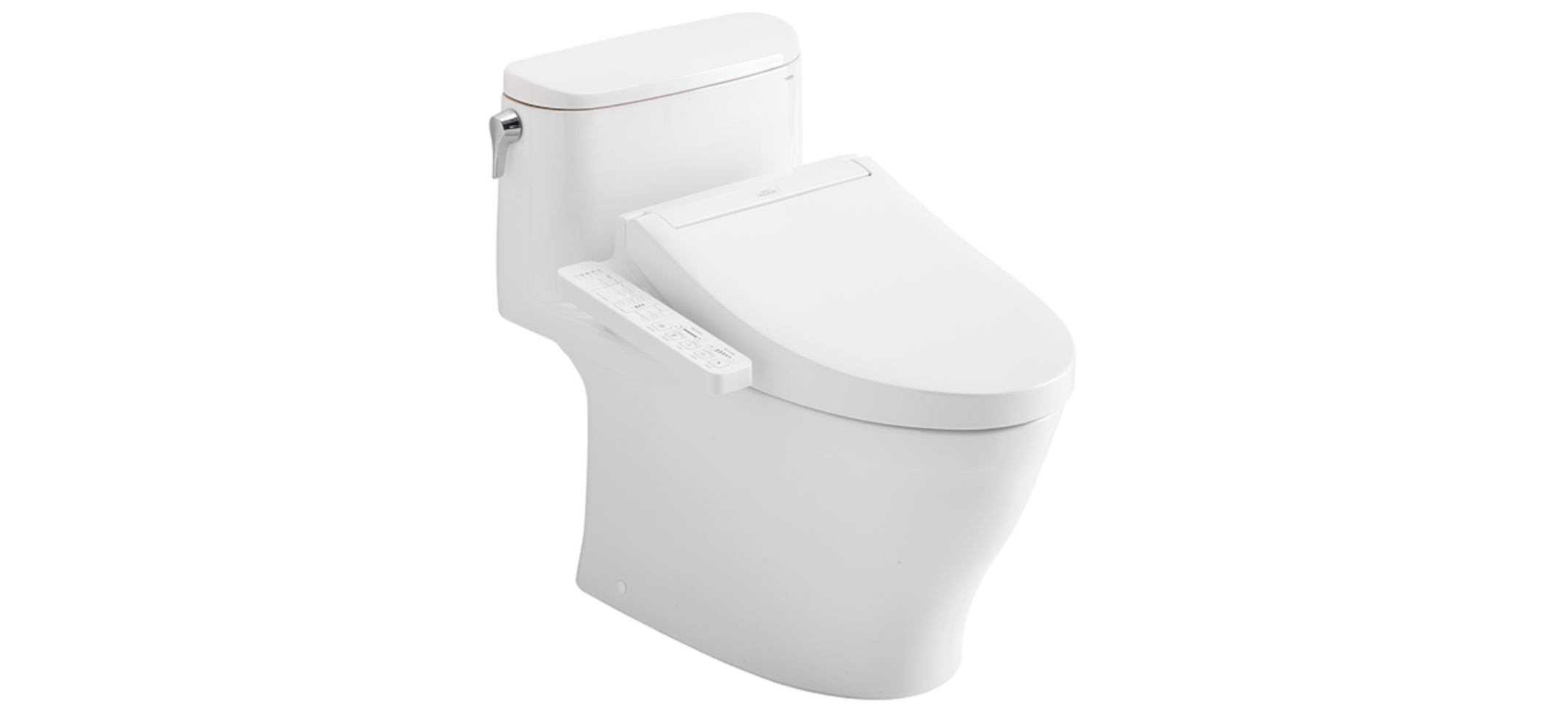
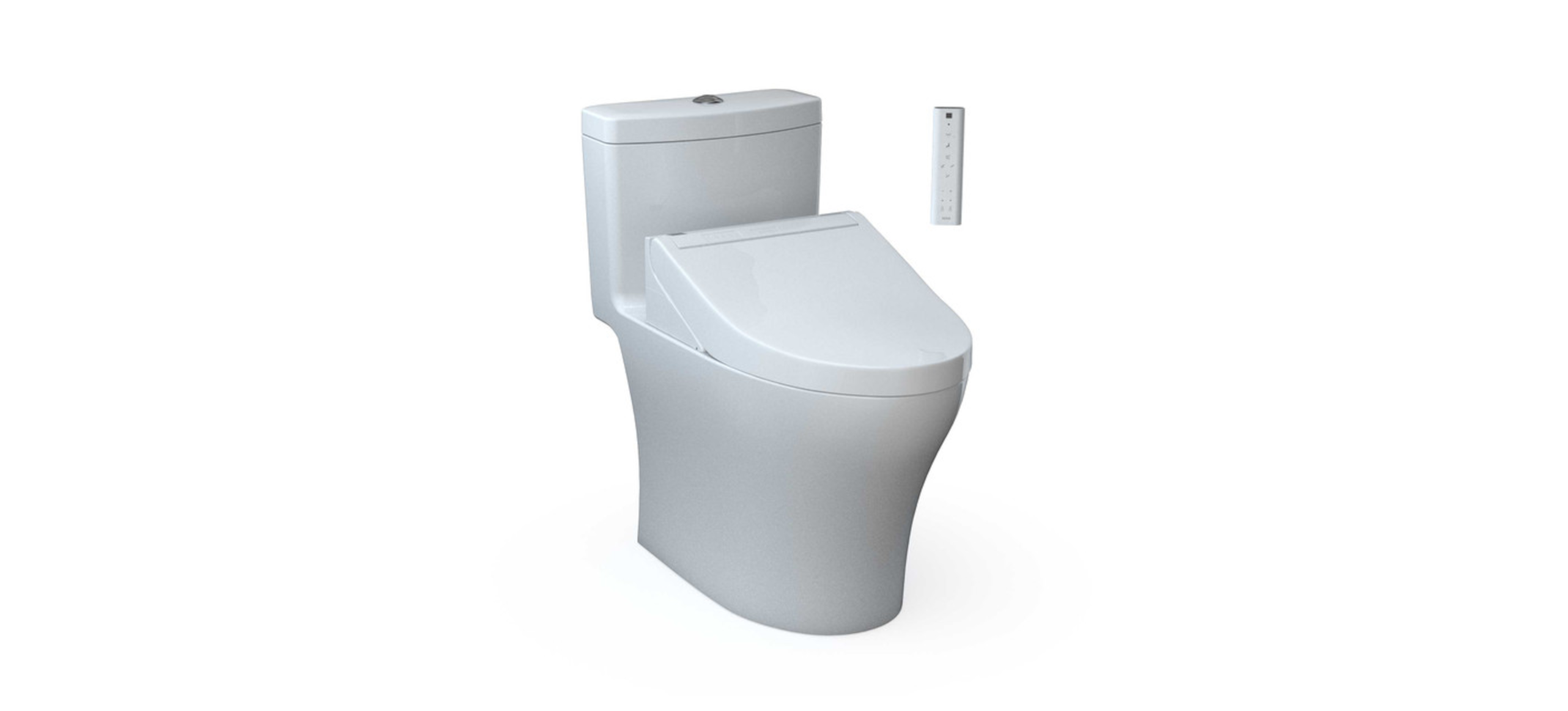
These toilets feature a seamless design where the tank and bowl are fused into a single, streamlined unit. This integrated construction delivers a modern, high-end appearance.
- Pros: Exceptionally easy to clean with no gaps to trap dirt, a sleek and contemporary look, and a lower risk of leaks between the tank and bowl.
- Cons: Typically have a higher price point, are heavier and more cumbersome to move and install, and if one part cracks, the entire unit must be replaced.
Key Factors to Consider Before Replacing
A successful toilet replacement depends on careful planning and accurate measurements. Before you purchase your new one-piece toilet, verify these crucial details to avoid installation headaches.
1. Rough-in Distance
The rough-in distance is the most critical measurement for any toilet installation. It is the distance from the finished wall behind the toilet to the center of the drainpipe (the floor bolts).
- How to Measure: Measure from the wall (not the baseboard) to the center of one of the two bolts that hold the toilet to the floor.
- Why It Matters: The standard rough-in is 12 inches, but 10-inch and 14-inch models exist. Your new one-piece toilet must have the same rough-in distance as your old two-piece model to fit correctly without requiring costly plumbing modifications.
2. Water Supply and Drain Connections
Ensure the existing water supply line and drain connections are compatible with your new toilet.
- Water Supply Line: Check the condition and length of the flexible hose connecting the shut-off valve to the toilet tank. It's often a good idea to replace this line when installing a new toilet to ensure a secure, leak-free connection.
- Drain Flange: Inspect the toilet flange on the floor after removing the old toilet. If it's cracked, broken, or not level, it must be repaired or replaced to create a proper seal.
3. Space and Dimensions
While a one-piece toilet may look more compact, its overall footprint can differ from a two-piece model.
- Measure Everything: Note the height, width, and depth of your available space. Compare these measurements to the specifications of the one-piece toilets you are considering.
- Consider Clearance: Ensure there is enough room around the toilet for comfortable use, cleaning, and maintenance. Check local building codes for minimum clearance requirements (usually 15 inches from the centerline of the toilet to any wall or obstacle).
4. Weight and Installation
One-piece toilets are significantly heavier than their two-piece counterparts because they are a single, large ceramic unit.
- Lifting: You will likely need a second person to help you lift and set the toilet in place. Attempting to do it alone can lead to injury or damage to the new toilet.
- Professional Help: If you lack plumbing experience or the physical strength to handle a heavy fixture, hiring a professional plumber is a wise investment. They can ensure a quick, correct, and leak-free installation.
The Installation Process: A Step-by-Step Overview
For DIYers with some experience, replacing a toilet is a manageable weekend project. Always follow the manufacturer's specific instructions for your new toilet.
- Turn Off the Water: Close the shut-off valve located on the wall behind the toilet. Flush the toilet to empty the tank and use a sponge or towel to remove any remaining water from the tank and bowl.
- Disconnect the Supply Line: Unscrew the water supply line from the bottom of the toilet tank.
- Remove the Old Toilet: Unscrew the nuts from the floor bolts at the base of the toilet. Gently rock the toilet to break the wax seal and lift it straight up and away.
- Prepare the Floor: Scrape away the old wax ring from the floor flange. Inspect the flange for damage and make any necessary repairs.
- Install the New Wax Ring: Place a new wax ring on the bottom of your new one-piece toilet or directly on the floor flange.
- Set the New Toilet: With help, carefully lift the one-piece toilet and align the bolts on the floor with the holes in the toilet base. Press down firmly to seat the toilet on the wax ring.
- Secure the Toilet: Hand-tighten the nuts onto the floor bolts, alternating sides to apply even pressure. Be careful not to overtighten, as this can crack the ceramic.
- Reconnect and Test: Attach the water supply line, turn the water back on, and let the tank fill. Flush the toilet several times and thoroughly check for any leaks around the base and at the water connections.
Benefits of Upgrading to a One-Piece Toilet
Making the switch offers more than just a new look. Upgrading to a one-piece toilet provides several compelling advantages that enhance your bathroom's form and function.
- Superior Hygiene and Cleaning: With its seamless design, there are no crevices between the tank and bowl for dirt, grime, and bacteria to accumulate. This makes cleaning faster, easier, and more effective.
- Modern Aesthetics: One-piece toilets offer a clean, minimalist, and sophisticated look that instantly elevates your bathroom's design. Their sleek profile is perfect for contemporary, modern, and high-end bathroom renovations.
- Enhanced Durability: The integrated construction eliminates the need for bolts and gaskets connecting the tank and bowl, removing a common point of failure and potential leaks.
- Advanced Features: Many one-piece models come equipped with premium features, including powerful and water-efficient flushing systems, dual-flush technology for water conservation, and comfort-height seating.
Make the Switch with Confidence
Replacing a two-piece toilet with a one-piece model is a highly achievable upgrade that can dramatically improve your bathroom's style and hygiene. By confirming your rough-in distance, checking your plumbing connections, and planning for the installation, you can complete the project with confidence. The result is a durable, easy-to-clean, and beautifully designed fixture that adds lasting value to your home.
Ready to find the perfect fixture for your project? Explore our collection of high-quality one-piece toilets or contact our expert support team for personalized advice and installation guidance.
